
In 2026, the events are no longer judged by the number of attendees and the scale of production, but by the strategy, structure, and quality of human experience that the events provide. Across sectors, from international leadership events to critical policy engagement sessions, companies are now transforming events from mere engagement opportunities to transformation platforms. At the forefront of this transformation is the application of Design Thinking in event design, a highly effective approach that combines empathy, experimentation, and results-driven outcomes to make a lasting impact. Rather than starting with the logistics, event designers now start with people, understanding their motivations, behavior, and desired outcomes before designing the experience.
Forward-thinking companies, including well-established players such as Oh Yes Events, are now incorporating this approach to take events from mere execution to strategic impact. This is in line with the experience economy events environment, where attendees demand relevance, personalization, and engagement. Businesses are now aligning events with their strategic goals, while governments are leveraging events to enhance civic engagement and stakeholder trust. In this new world, design-led thinking ensures that every interaction, from invitation to follow-through, is part of a bigger picture. In short, modern events are no longer just organized; they are intentionally designed to inspire, align, and deliver measurable value.
At its core, the Design Thinking framework for events, essentially, a Design Thinking approach to events is a systematic yet agile process based on empathy, ideation, prototyping, and testing. When applied to Strategic event planning, it means that the conventional logistics-oriented approach to events is replaced by a deliberate, results-oriented approach. Instead of starting with venues and suppliers, event planners start with people, their motivations, expectations, and behavior triggers.
This paradigm shift signals the beginning of the human-centered event design and the human-centric corporate events era, where the needs of the attendees define the event design. Rather than fixed agendas, event planners concentrate on event experience design, which involves mapping the emotional and engagement touchpoints. The aim is not merely to get people to attend, but to engage, retain, and influence them.
In the modern event management strategy, design thinking means that every aspect, from registration processes to lighting design, contributes to the overall business or policy agenda. This design thinking supports business event transformation, aligning events with organizational objectives and key performance indicators. Ultimately, design-led event planning elevates events from operational activities to strategic assets, which helps organizations stay relevant in the rapidly experience-driven world.
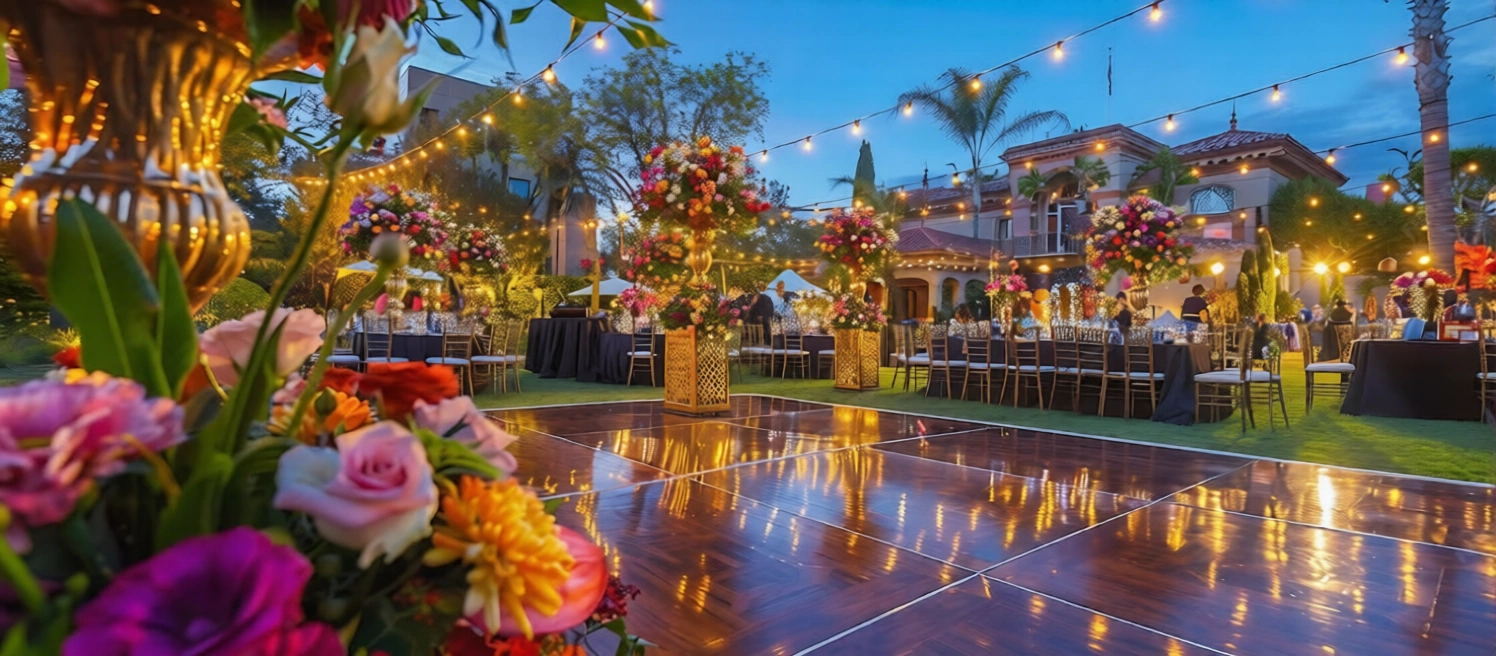

To appreciate the impact that this approach can have, it is necessary to understand how it works in both the corporate and government sectors. The design thinking framework for events is based on five key steps: empathy, define, ideate, prototype, and test. When applied, it becomes a systematic human-centered design methodology that puts people at the forefront of event design. In the corporate world, this leads to innovation and results, while in the government sector, it enhances collaboration and inclusion. By incorporating this framework into event planning, organisations can shift from doing to meaningful events.
Empathy-driven planning is the key to effective event planning. It demands that event planners move from assumptions to an actual understanding of the audience, stakeholders, and decision-makers. In the corporate world, it could mean conducting interviews before leadership summits 2026 or feedback sessions before the application of design thinking for corporate conferences. The findings inform content relevance, format, and engagement design. In the public sector, empathy enhances government stakeholder engagement by understanding different expectations and concerns. It also helps in a more inclusive public engagement strategy, where every voice is heard before determining engagement agendas, communication structures, and models.
After the audience's needs have been articulated, attendee journey mapping is used by planners to translate insights into structure. Attendee journey mapping is a process of visualizing the entire lifecycle of engagement, from invitation and registration to arrival, interaction, and post-event engagement. By mapping the emotional highs and lows, as well as the points of engagement, planners are able to design experience-driven events that are intuitive rather than transactional. This is the essence of a robust conference design strategy, where the physical space, programming, and technology work in perfect harmony. More importantly, it enhances Organizational alignment through events by linking event experiences to business objectives.
Innovation requires that concepts be tried out before being fully implemented. By event prototyping, organizers can test session designs, networking ideas, or engagement devices in a simulated setting. This helps with Iterative event planning, where learnings are applied incrementally and not after the fact. Whether designing panel experiences, brand environments, or participatory design sessions, prototyping enables organizers to work out concepts and mitigate risks of execution. Even hybrid lounges and online extensions can be prototyped before launch. This approach to innovation improves creativity and ensures that concepts are feasible for execution.
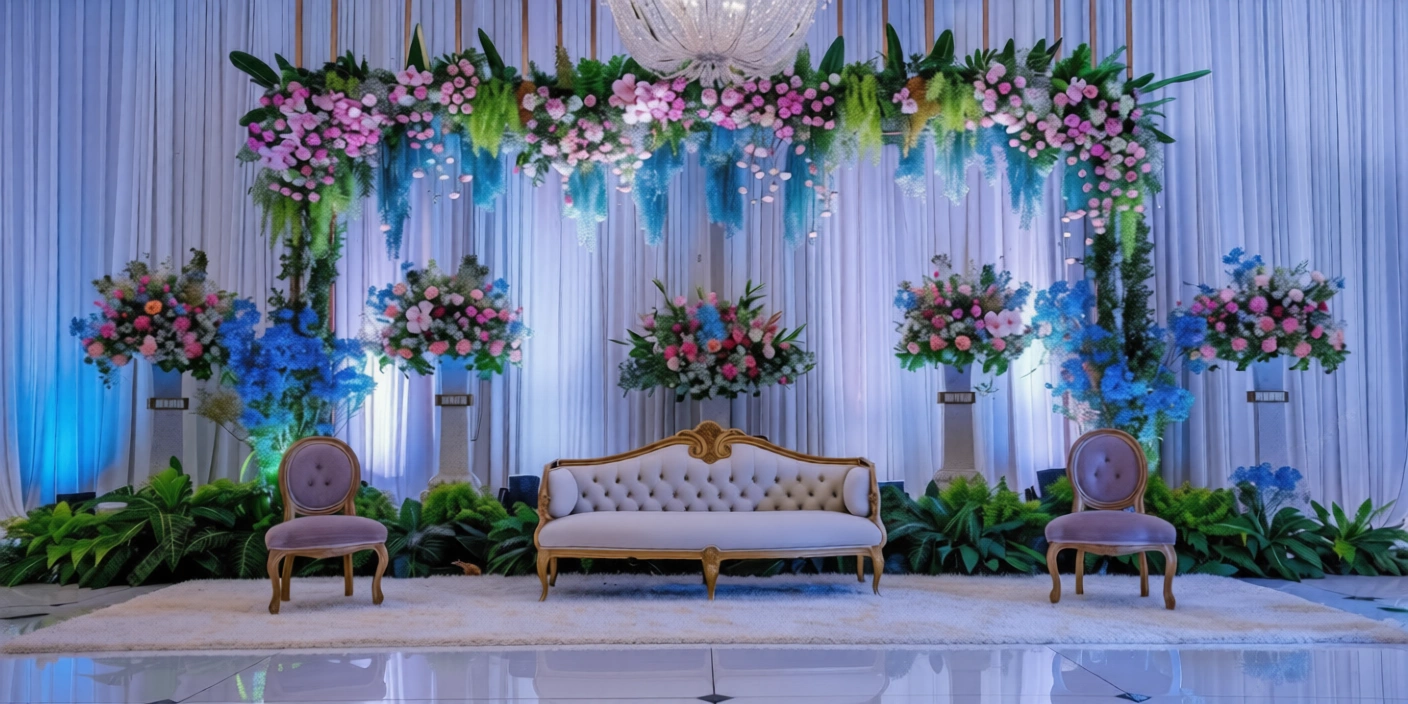
The future of corporate event planning 2026 is shaped by the increasing pace of technological innovation, increased personalization, and the increasing role of the experience economy. Today, organizations are no longer content with simply well-organized events; they want real corporate event innovation that brings together immersive storytelling and tangible, measurable business results. New formats like hybrid corporate events and phygital events 2026 integrate physical attendance with digital reach, making it easier for more people to attend without sacrificing the impact. From AI-driven networking solutions to interactive spaces, such innovations are transforming experiential corporate events.
The increasing use of AI in event planning is revolutionizing the way and means of organizing and optimizing modern events. Advanced algorithms now power AI-driven personalization in events, allowing for the recommendation of sessions, matchmaking for networking, and tracking of engagement behavior among attendees in real time. Rather than generic event programs, attendees are provided with personalized paths based on their interests and objectives. These features enhance event personalization strategies, ensuring that each attendee is recognized rather than treated as part of a standard process. In addition to convenience, AI software analyzes participation behavior, forecasts crowd movement, and optimizes content relevance. This AI-driven intelligence enables planners to create dynamic environments that adapt to attendee behavior in real time. With the increasing need for relevance and immediacy, AI is no longer a futuristic feature but a strategic component that improves engagement, efficiency, and experience value in corporate events.
Though creativity is the key to engagement, success is measured by outcomes. Modern-day businesses emphasize the need for correct event ROI measurement to justify event expenditure and align the event with overall business goals. By using effective models of evaluation and measuring ROI in corporate events, event organizers measure the following: The level of engagement of the attendees, Qualified business leads, Knowledge retention, and Perceptions of the brand. Online event management tools and reporting systems ensure complete transparency of event performance metrics, giving the overall leadership team a clear view of the impact. This ensures that events are not standalone activities but are an integral part of strategic event planning for organizations. By aligning experiential design with data-driven analysis, businesses can optimize future strategies and make effective use of resources. This focus on accountability is a sign of a larger movement towards innovation in event management, where creativity and performance come together, further solidifying the role of events as a catalyst for business growth and change.
While business events are all about brand engagement and business development, a government event planning strategy is formulated in a manner that focuses on transparency, inclusivity, and public engagement. Public bodies are gradually embracing a planned public sector event strategy that emphasizes dialogue over communication. These events are planned in a manner that aims to inform, consult, and co-create with the public, experts, and stakeholders. By incorporating co-creation formats and feedback mechanisms, governments make sure that policies and initiatives are community needs-driven. This approach to event planning helps governments turn public gatherings into engagement platforms.
Whether it is a civic engagement event or a policy consultation event, the government is now rethinking how it can engage citizens in decision-making. Rather than just having a formal presentation, they are now using participatory design in public events to encourage open dialogue and interaction. Through open dialogue and co-creation workshops, citizens are able to contribute their ideas and concerns, as well as work together on possible solutions. This way, the development of policies is based on real community input rather than assumptions. By incorporating participation into events, the government is able to create a platform where all voices are heard.
An effective event strategy for public sector organizations helps ensure that events are integrated with governance goals. Communication strategies, participation mechanisms, and documentation processes are critical elements of an effective Event strategy. This helps improve government stakeholder engagement, as policymakers, subject matter experts, and stakeholders are allowed to participate in meaningful ways. Real-time polling, discussion sessions, and feedback mechanisms improve accountability and understanding. An effective Event strategy helps create more effective public policy forums, where conversations are converted into valuable insights. By correlating event outcomes with organizational goals, governments can use events as strategic tools to achieve long-term public value and effective governance.
The latest trend in modern governments is the implementation of innovative strategies for government events to increase accessibility, reach, and transparency. Online platforms, live participation, multilingual interfaces, and accessible venues are now considered essential elements of event planning. Such innovations form the core of human-centered design in government events, which focus on designing events around the convenience of citizens. Hybrid participation models enable remote participants to contribute to the event, along with physical participants, thereby increasing representation. Interactive dashboards and online feedback mechanisms further ensure accountability. The incorporation of innovation in event planning enables governments to make civic engagement more dynamic, transparent, and inclusive, thereby reiterating the importance of government events as a platform for collaborative governance.
The application of the design Thinking framework for corporate events provides a range of strategic and measurable benefits that go well beyond the actual delivery of the event itself.
First, it increases engagement. By asking how to improve attendee engagement at conferences, , event planners shift from passive listening experiences to create immersive environments that are replete with engaging activities, collaborative sessions, and valuable networking opportunities. This approach shifts the focus of attendees from passive observers to active participants.
Second, it enhances alignment. Events that are founded on strategic principles align directly with business goals, cultural values, and leadership agendas. With systematic evaluation tools at hand, organisations are able to derive precise event ROI measurements, which clearly indicate the contribution of events to the bottom line and overall business alignment.
Third, it builds credibility and trust. By using effective Stakeholder engagement event design, organisations establish open forums for communication, thus improving relationships with stakeholders, employees, and influencers.
Fourth, it builds flexibility. By integrating iterative event planning, organisations can validate concepts, learn from feedback, and make continuous improvements, thus lowering the risk of execution while improving future events.
Lastly, it fuels innovation in the long run. By integrating innovation-driven event company values, organisations can be innovative and remain disciplined in their operations.
In a world where the experience economy events paradigm is the norm, design-led approaches will ensure that events deliver long-term value, shaping perception, performance, and organisational development long after the closing plenary.
In a world where strategy, understanding, and performance are the measures of success, Oh Yes Events is a trusted strategic event partner and who are known for making a meaningful impact through their events. As a design-led event agency with a forward-thinking approach, we incorporate strategic event consulting into every aspect of our planning process, from development to delivery. This approach is reflective of the enterprise event design experts, where creativity and perfection are balanced. Whether it is delivering engaging corporate events or executing large-scale policy events, we operate as expert corporate and government event strategists.
We begin every project with research and insight, starting with stakeholder discovery sessions and objective mapping. This helps ensure that every event is perfectly integrated with larger organizational or strategic objectives, providing true strategic event planning rather than just tactical execution. By understanding stakeholder expectations and leadership objectives, we create experiences that are deliberate, results-focused, and measured against clear benchmarks – helping to create events that facilitate long-term growth, clarity, and meaningful engagement.
Through the strategic integration of intelligent technology and advanced analytics, we apply comprehensive data-driven event strategy frameworks that help turn creativity into measurable impact. Our experience in leadership summit planning, hybrid conferences, and stakeholder workshops represents our commitment to ongoing innovation in the world of Corporate events. Every initiative is designed to strike the right balance between creative experience design and performance measurement, ensuring that innovation not only drives engagement but also directly contributes to business outcomes.
At Oh Yes Events, we are a reliable corporate event organizer in Chennai, and we combine local knowledge with global standards of event execution. As a human-centered corporate event planning company, with the help of our experiential event consultants, we organize events that are local and global at the same time. This allows us to organize events that are creative, operationally excellent, and add value to the organization.
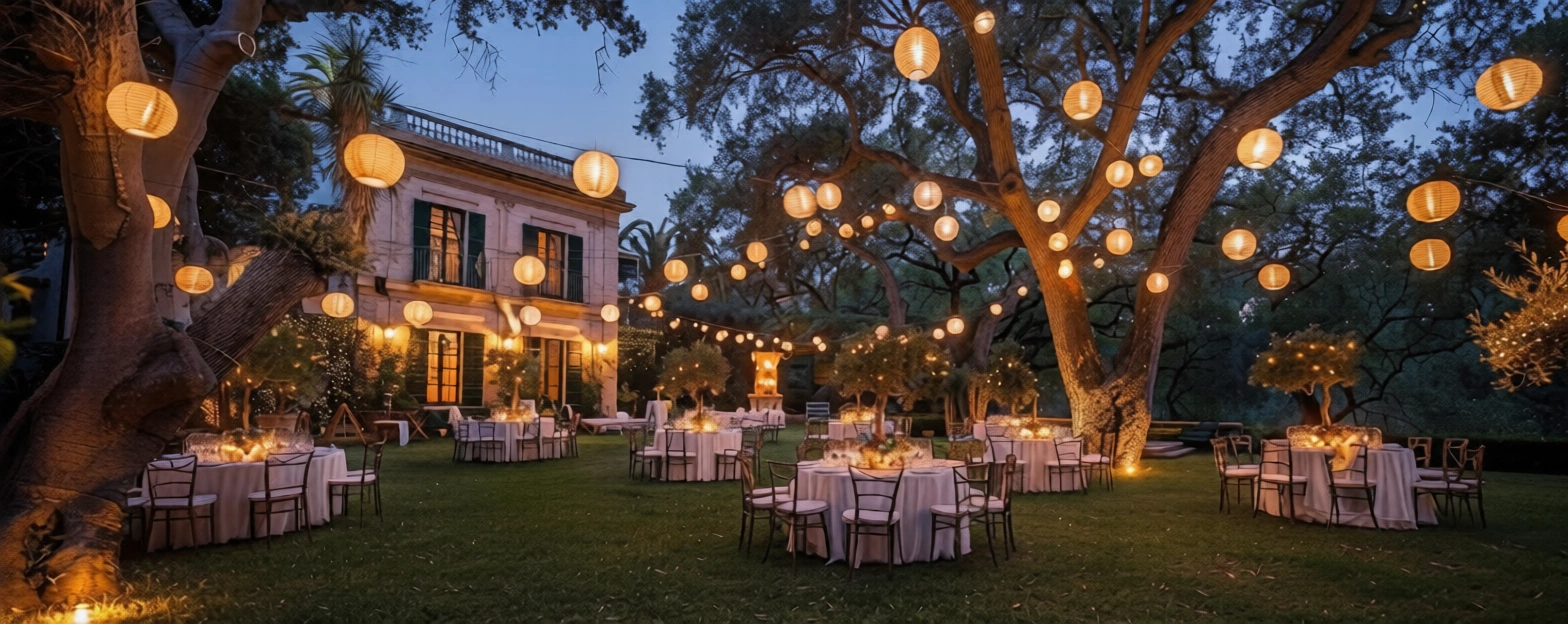
The future of organisational events will be determined by those who embrace design thinking in event design as a fundamental strategic competency, not just a creative afterthought. From the ever-unfolding future of corporate event design in 2026 to the increasing relevance of inclusive government event design strategy, human-centric principles are setting the agenda for how organisations connect, communicate, and make a difference. Events are no longer a singular point on the calendar – they are holistic instruments for leadership alignment, stakeholder engagement, and measurable impact.
As technology improves and audience expectations continue to escalate, event planners must skillfully integrate empathy, experimentation, data analysis, and innovation throughout the design process. Those who deeply grasp how to apply design Thinking to event design will not only transform event experiences but also enhance organisational credibility and long-term value.
For organisations seeking to transcend execution and instead design meaningful experiences, the key to success lies in shifting the perspective of events as strategic platforms. With the right mindset and partners such as Oh Yes Events, events can become purposeful, data-informed experiences, not just organized events, but thoughtfully designed environments that foster progress and lasting outcomes.