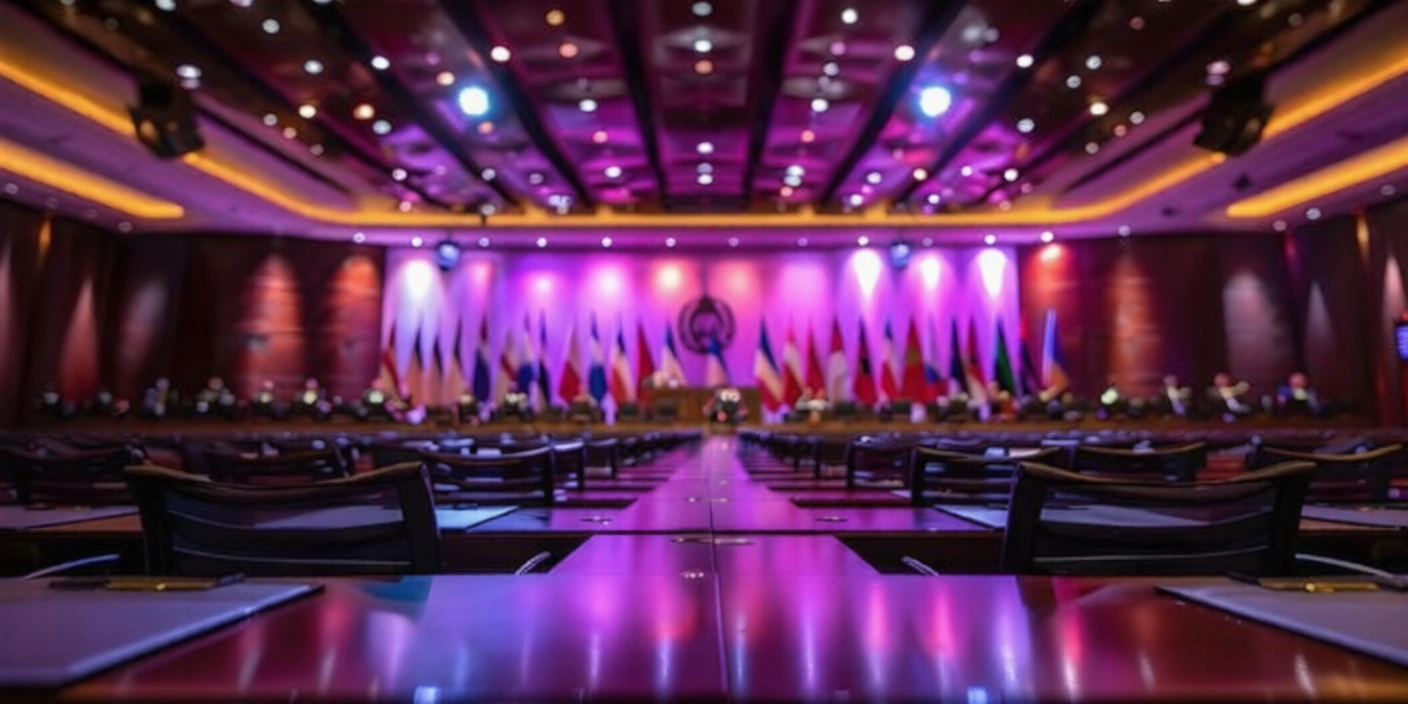
By 2026, the most consequential events aren’t about scale or spectacle; they’re nuanced, empathetic, and fundamentally rooted in a sense of people. At the heart of this evolution is cultural intelligence in events, a concept that has matured from an esoteric soft skill to become a strategic imperative for brands, governments, and transnational organizations.
Modern businesses are expanding across borders and teams are becoming increasingly diverse, so corporate events in 2026 are being reinvented as immersive, insight-driven experiences. Today's audiences expect more than slick production; they want relevance, representation, and emotional engagement. Be it a leadership summit uniting international stakeholders, an elite diplomatic event, or a cross-border product launch, the success of an event is now determined by how well it knows its audience and connects with them on a cultural level.
This change has prompted a reevaluation of event planning itself. It is not only about logistics or aesthetics; it is so much more about creating spaces that mirror behavioral subtleties, ways of communication, and common tenets. In this Changing business environment, partners such as Oh Yes Events are set apart, combining strategy, creative thinking, and cultural sensitivity to build experiences that resonate in fundamentally different geographies but still share one story.
Because today, events are not simply a point in time but an event as a cultural ecosystem, curating experiences designed to connect, engage, and inspire through cultures and create memorable impact in an ingrained world.
In essence, cross-cultural corporate event management is the process of creating and executing experiences that resonate within any cultural framework. It’s more than awareness; it's adaptation, sensitivity, and strategy. In event planning, this means knowing how audiences think, how they talk to each other, and what gets them involved. From language and social etiquette to behavioral patterns, hosting an event across cultures has made cross-cultural event management a prime consideration for meaningful engagement. Culturally intelligent event planning today is not just for international conferences. Even domestic events have multicultural spectators, which makes cultural diversity in event management an important element.
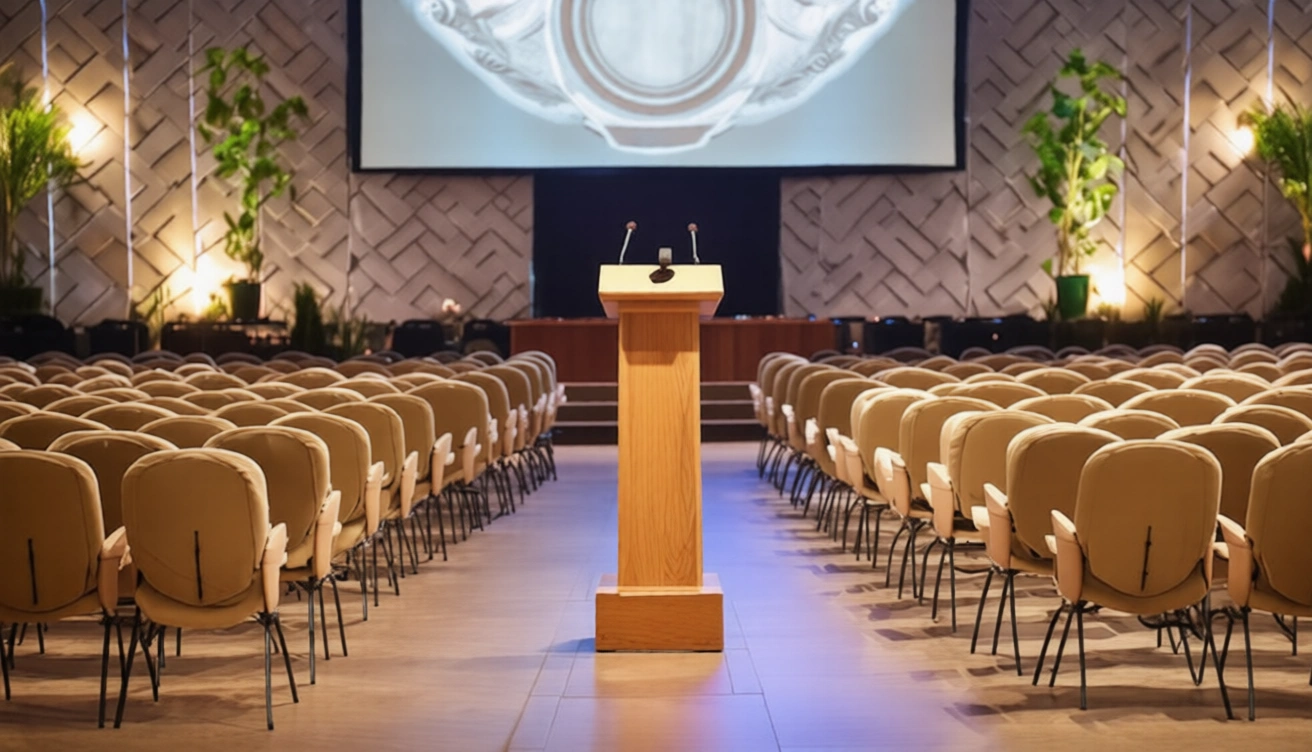

Sensitization was once viewed as a goal in itself, but modern-day event experiences require the consideration of a much more strategic and multi-dimensional alignment that turns awareness into action. The new demand for culturally intelligent event planning has shifted organizers away from tokenistic representation and towards meaningful coalition. With this evolution, event localization strategies transform from an ancillary consideration into a cultural framework within which content is deployed. Planners today knit cultural nuance into every touchpoint, from communication and content to design and experience flow. This preserves authenticity and allows events to feel unbent. When brands put cultural sensitivity in events as a priority, they design environments that resonate on a deep and meaningful level with diverse audiences, making experiences more relevant, immersive, and influential over multiple geographies.
Cultural intelligence is not a mere question of inclusion anymore; it has become a key indicator of success. These motivations can directly impact the corporate events, which involve cultural intelligence in how audiences engage, their response, and how they remember the experience. Understanding event audience behavior across cultures allows planners to tailor interactions that feel intuitive and meaningful. They offer improved engagement, better recall, and deeper emotional connection, a direct correlate to insight and performance. So precisely how does cultural intelligence improve corporate event outcomes by building trust and encouraging active participation? Thus, events become strategic platforms that radiate value and help establish their place as business drivers in a rapidly competitive and globalized environment.
The prevailing scenario is characterized by the forces of rapid globalization, digital acceleration, and changing workforce dynamics. When companies host events for a global workforce, they have to negotiate diverse cultural expectations. Moving towards experience-first event design is a key corporate trend for events and experiences 2026 Generic formats take a back seat to emotional resonance. They now curate emotional engagement in events where every single participant feels seen and valued. In addition, the shift away from diversity metrics towards more substantive inclusion has elevated the role of belonging in corporate culture. This has led to inclusive corporate events, prioritizing accessibility, representation, and culture.
As organizations grow into different regions, their audiences are not homogeneous anymore; they come with diverse socioeconomic perspectives, expectations, and behaviors. This evolution has transformed cross-border event planning from an exception to the norm. And in this environment, event planning for a global audience requires an appreciation of the regional nuances that go beyond atmosphere and decor, from the language used and business etiquette to decision-making processes and participation strategies. What works in one market may not work in another, so adaptability is essential. Planners need to be wary of different communication preferences, networking norms, and levels of engagement. Charting experiences should be based on these insights so that a move from generic event formats to contextual interactions across geographies and cultures can be ensured.
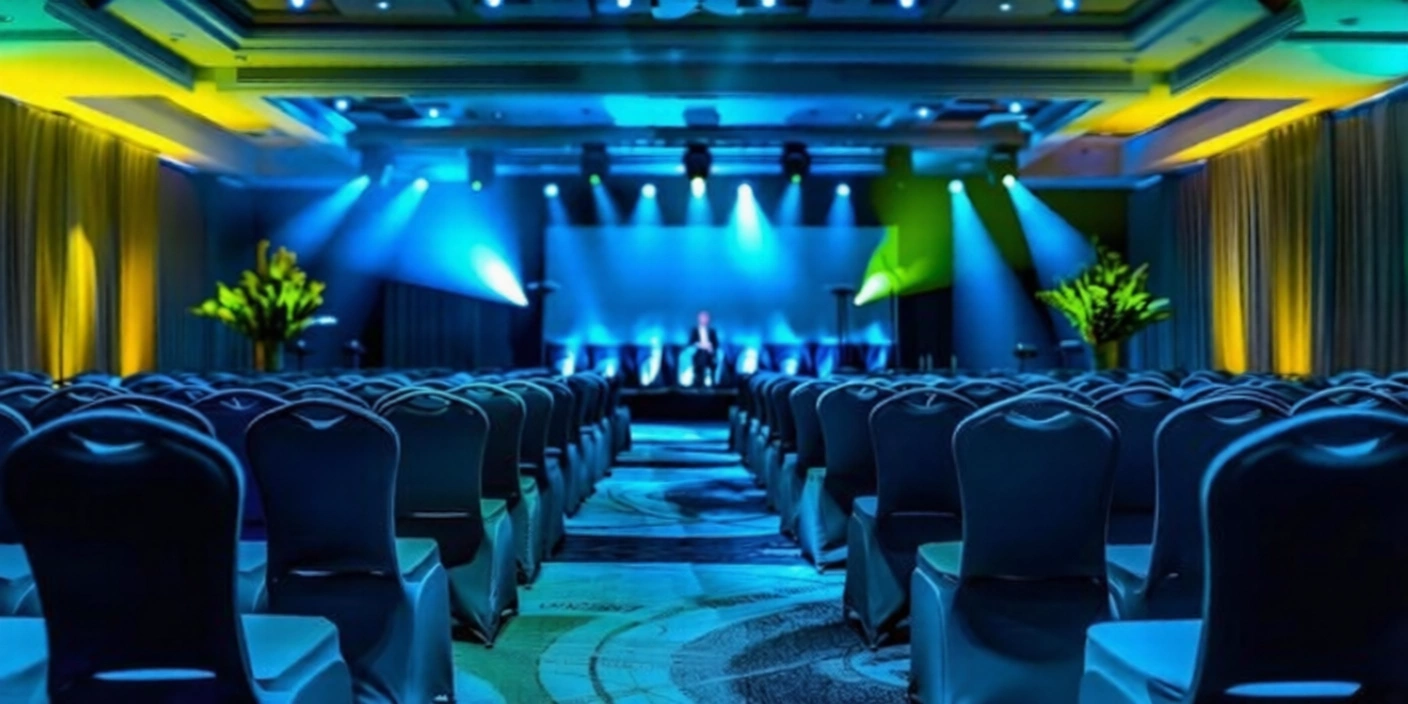
The discussion of inclusion is evolving, from framework to lived experience. Diversity and inclusion at events, while still critical, now focus on creating environments where people feel they belong. This change is indicative of a deeper understanding of what motivates and encourages connection and engagement.
Today’s events prioritize multicultural audience engagement, which involves planning and executing those experiences with inclusiveness in mind. It’s no longer merely about representation but about making sure that everyone who attends feels seen, valued, and able to participate comfortably. As they transition away from performative gestures, the organizer nurtures spaces that cultivate authenticity, emotional resonance, and lasting effects for a tailor-made group of attendees.
To plan events in 2026, it takes more than imagination; it needs a sharpened ability to balance knowledge, flexibility, and accuracy. Today, global event management strategies are based on analyzing diverse audiences while facilitating a cohesive brand narrative. It means contextualizing data-informed decisions with cultural nuance to deliver experiences that are at once consistent and locally relevant. Now, event planners have to predict behavioral patterns, communication styles, and audience expectations on a regional level. Incorporating these into the planning process makes events more intuitive and engaging. The result is a perfectly crafted respect for strategy and narrative, in which each detail is designed to resonate across cultures without losing its native heart.
Content is one of the most prominent and visible layers of how cultural intelligence manifests within an event. Everything from speaker selection to tone of messaging should be relevant and relatable. This is where cultural storytelling in events comes into play, as it crafts narratives that resonate across a wide variety of perspectives rather than one particular culture.
A deeper understanding of event audience behavior across cultures enables planners to have better insight into what content would work best for them. This enables storytelling formats, the pace of story delivery, and styles to be adapted for different audiences. When done right, this doesn’t just inform, it creates a connection, bridging cultural gulfs without sacrificing the continuity of the event.
Though a high level of aesthetics is certainly part of experience design, the true meaning behind it would be how well an event knows its audience. For events, everything from the menu curation and spatial layout must consider cultural sensitivity for people to feel comfortable and included.
This is how experiential event design transforms into an insights-driven and proactive approach. Planners program culturally adaptive experiences in a physical environment that uses localized cultural nuances to shape sensory elements. These experiences not only make guests feel more comfortable but also create a deeper emotional connection. By embedding culture into design, events transform into holistic spaces that honor plurality while providing a unified and purposeful experience.
Engagement is not one-size-fits-all—it varies dramatically from culture to culture, determined by communication styles, social norms, and the expectations of our different constituencies. When we realize this, it is significant for building interactions that matter. Designing and planning events with global audience engagement strategies makes the event layout more organic than striving for forced participation.
Some may prefer a structured discussion, others open networking, and some passive observation. By tailoring formats, planners can create an environment that is more inclusive and comfortable. Acknowledging these disparities makes it easier to communicate effectively; messages get delivered and actually received. In the end, adapting engagement styles to cultural contexts results in higher attendance rates, greater connection, and a more impactful event overall.
For anything involving the public sector or international gatherings, there is little room for error, and consequences are widespread. An effective government event planning strategy of this scale has to be sensitive not only to logistics but also pay attention to protocol, diplomacy, and cultural nuance. These events tend to represent nations, institutions, and leadership, so all details, from communication to ceremony, are highly sensitive. This creates the need for cultural intelligence to enable interactions that remain respectful, objective, and relevant across multiple stakeholders. Incorporating cultural awareness into planning allows organizers to navigate complexity with precision, ensuring environments that honor diplomatic integrity while encouraging authentic global dialogue.
Government events occupy a fragile crossroads at which culture, politics, and diplomacy meet. In this space, precision is key. In diplomatic event management, even the most minor details, such as seating hierarchies, flag placement, and ceremonial elements, have profound symbolic significance and can reflect national identity.
This requires a high level of cultural awareness among international event planning specialists to ensure that no gesture causes a misunderstanding. These nuances shape perception, relationships, and outcomes at the highest levels. Integrating cultural intelligence as part of the planning ensures that environments are created, in their true sense, where protocol is adhered to, yet constructive conversation can be achieved between nations, institutions, and global stakeholders.
When events grow to scale, meeting thousands or even millions, cultural intelligence becomes a baseline necessity rather than just an extra benefit. Large-scale events like summits, expos, and national celebrations require seamless coordination on multiple levels. Indian stakeholders company here event government management have a role in both culture-appropriate choices and operational efficiency.
For balancing the complexity of logistics and cultural representation, they often need to align with experienced government event organizers in India. Every aspect, from managing diverse audiences to programming for inclusion, needs to be deliberately articulated. Whether cultural celebrations, sporting events, or community gatherings, when correctly run, such undertakings not only shine during but also represent the broad spectrum of culture and presence of the respective communities.
The application of cultural intelligence in contemporary events is being revolutionized by technology, facilitating scalability while maintaining personalization. Smart event technology is emerging as the ability for planners to create experiences that shift in real time in response to audience preferences, behaviors, and cultural settings.
Data-driven insights, automation, and technology allow organizers to create more responsive and inclusive atmospheres. It connects disparate voices to audiences, allowing the feeling that experiences are crafted rather than off-the-shelf. In fact, scale is no longer a limit to cultural intelligence; it's going through the roof with innovation, and events serve powerful engagement while still being relevant for increasingly global or multicultural audiences.
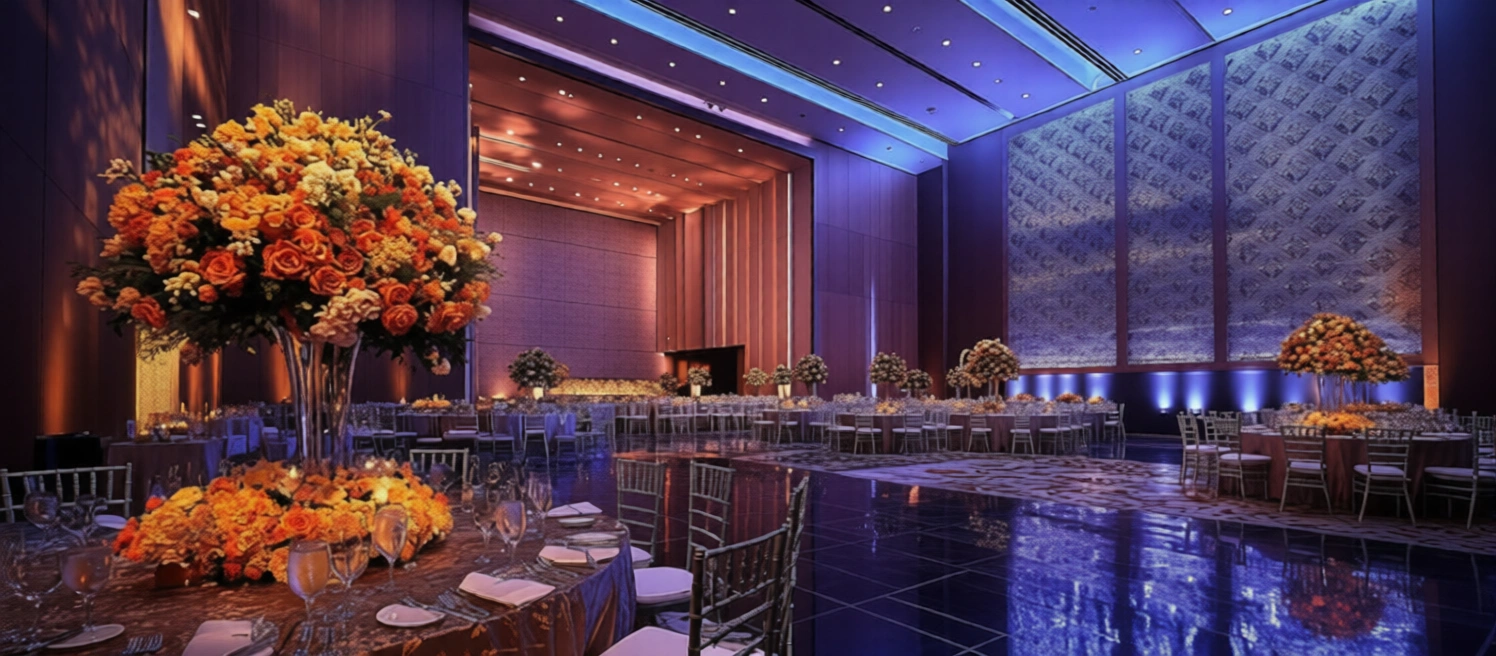
Culture, however, is something that condenses cultural intelligence without losing individual relevance. And events can now respond to attendee preferences, behaviors, and cultural contexts in ways that they never could before. With the integration of AI in event personalization, events can now respond dynamically to attendees' preferences, behaviors, and cultural contexts.
AI unfolds a degree of customization, from curated agendas to intelligent recommendations, that has never before been possible. Real-time translation at events and such tools only further help break barriers between languages, allowing content to be inclusive and accessible for an audience all over the world. There’s a massive ripple effect on globally minded events by the impact of AI, which enables planners to design experiences that truly feel personal while maintaining efficiency and scalability.
Additionally, hybrid formats have evolved the event experience for diverse and geographically isolated audiences. Out of these undeniable advantages, the concept of hybrid event strategy 2026 evolved, which has made it possible for organizations to curate experiences that are flexible and inclusive. Phygital events 2026: the integration of phygital streams over multiple locations for seamless participation
By using advanced virtual and hybrid event platforms, planners can provide consistent engagement, wherever attendees are based. Not only do these formats help with accessibility, but they're also cultural bridges that let people from far away come together to connect, work together, and participate in a shared experience.
Although the importance of cultural intelligence in events is well accepted, its application is not straightforward at all. Turning insight into execution demands a firm understanding of diverse audiences, continual research, and considered decision-making in every step of planning.
Between aligning numerous cultural views to prevent misconceptions, planners walk a fine line with sensitivity without neglecting the global telling of the event. Moreover, ensuring global consistency while maintaining local relevance adds a further level of difficulty. By its very nature, cultural intelligence is a journey, not an event; the aforementioned challenges require both strategic thinking and adaptability.
Without depth and authenticity, inclusion work quickly devolves into a tick-the-box exercise. Token gestures, like sprinkling in symbolic elements or platitudes without context, rarely translate to meaningful connection and can even feel disingenuous. Being truly represented involves more than just visibility; it is about intentionality and cultural awareness.
And this is where cultural adaptation in branding is crucial. This is thoughtful research, collaboration, and care to be respectful and accurate in using the elements of a culture. Done carefully, cultural integration creates trust and credibility. Yet lack of depth risks relegating events to being performative, working against both audience investment and the ultimate validity of the experience.
Offering a consistent global brand while allowing the adaptation of specific local cultural identities is one of the most complex challenges facing event planners nowadays. While experiences are customized to meet the needs of varying audiences, a brand must be mindful that its core messaging remains intact.
This is integral to best practices in cross-cultural event management. It demands flexibility of execution, a deep insight into culture, and the willingness to adapt, but never weigh down brand values. There are differences in expectations, behaviors, and preferences that planners need to navigate while maintaining a common story. This balance, when done correctly, ensures events are both globally connected and locally relevant, providing both context and greater overall impact.
Cultural intelligence has gone from being an abstract idea to a concrete contributor to business success within the events industry. It is through this that audiences engage, respond, and connect with a brand or organization today. By tailoring event experiences to be aligned with audiences' cultural expectations and behaviors, organizations can improve participation, enhance relationships, and create lasting trust. Which in turn increased brand perception and stakeholder engagement. In an increasingly competitive global landscape, culturally informed events provide more significant impact, turning one-off experiences into strategic assets that drive long-term business growth and organizational value.
Propelled by passion and guided by deeply rooted local understanding, Oh Yes Events is much more than a corporate events company in India; we are co-creators of cherished memories. They do not simply execute; rather, they seek to create experiences that are considered appropriate and fit for purpose.
Through AI intelligence-led event planning, they guarantee that no events are scheduled without context and rationale. And this lets them create experiences that are not only visually striking but also culturally relevant, providing impact and meaningful engagement while helping to nurture a tight-knit, meaningful narrative across a range of audiences and global contexts.
Cultural intelligence has gone from being an abstract idea to a concrete contributor to business success within the events industry. It is through this that audiences engage, respond, and connect with a brand or organization today.
By tailoring event experiences to be aligned with audiences' cultural expectations and behaviors, organizations can improve participation, enhance relationships, and create lasting trust. Which in turn increased brand perception and stakeholder engagement. In an increasingly competitive global landscape, culturally informed events provide more significant impact, turning one-off experiences into strategic assets that drive long-term business growth and organizational value.
The power of great event planning truly comes from the ability to take a global directive and translate it into locally relevant experiences. Oh Yes Events does this by blending strategic thinking and on-the-ground cultural insight. They are also experts at translating global narratives in a way that feels honest and relevant to local audiences.
Known as prominent international event planners in India, they offer a unique insight into every project. With time, they have also become one of the known destinations for corporate event planners in India, showcasing their skills to work closely with different cultural environments. This blend of worldwide consistency and local wisdom guarantees that each event feels at once aligned yet deeply meaningful.
Culture strongly influences the way that audiences recognize and connect with a brand. This familiarity, respect, and authenticity build emotional credibility. For a global corporate events agency, this is an important differentiator for forging relationships in varying markets worldwide.
Trust naturally follows when audiences feel seen and understood. Therefore, building trust on the part of the customers strengthens their brand positioning and enhances long-term engagement. Incorporating cultural intelligence in the design of events, organizations can go beyond transactional to transformational and create connections with meaning so that they not only feature but are also valued and stay top-of-mind.
Cultural intelligence is not merely a conceptual asset; it produces visible, quantified results. The influence of this is evident across key performance indicators, from growing participation to better audience retention. Note that this is the reason why cultural intelligence is important in global events within a competitive and globalized landscape.
Today, events are measured not only on execution but also on their ability to create results. Enhanced engagement translates to more exact partnerships, better brand recollection, and larger returns on investment. Consequently, events are no longer one-off experiences; they’re powerful devices that lead directly to business acceleration and thus long-term investments instead of just tactical plays.
As our world becomes more connected, yet more complex, cultural intelligence is increasingly important. Whether you consider inclusive event design or cross-cultural event management, being able to appreciate the unique needs of various segments and then adapt and respond accordingly has emerged as a hallmark of effective events. It is not enough anymore for event professionals to focus on execution; they are now about curating significant, people-first experiences that transcend cultural boundaries. The future of the global events industry will be led by those who have invested in understanding people, behaviors, and cultural nuances.
However, organizations that really want to leave a mark should partner with experts such as Oh Yes Events because they help in planning events more thoughtfully and strategically. Their combination of cultural insight and creativity means that every experience exceeds expectations. Since 2026, the most powerful won’t just bring an audience together; they’ll do so with a deeper connection that leaves an indelible mark based on relevance and understanding.