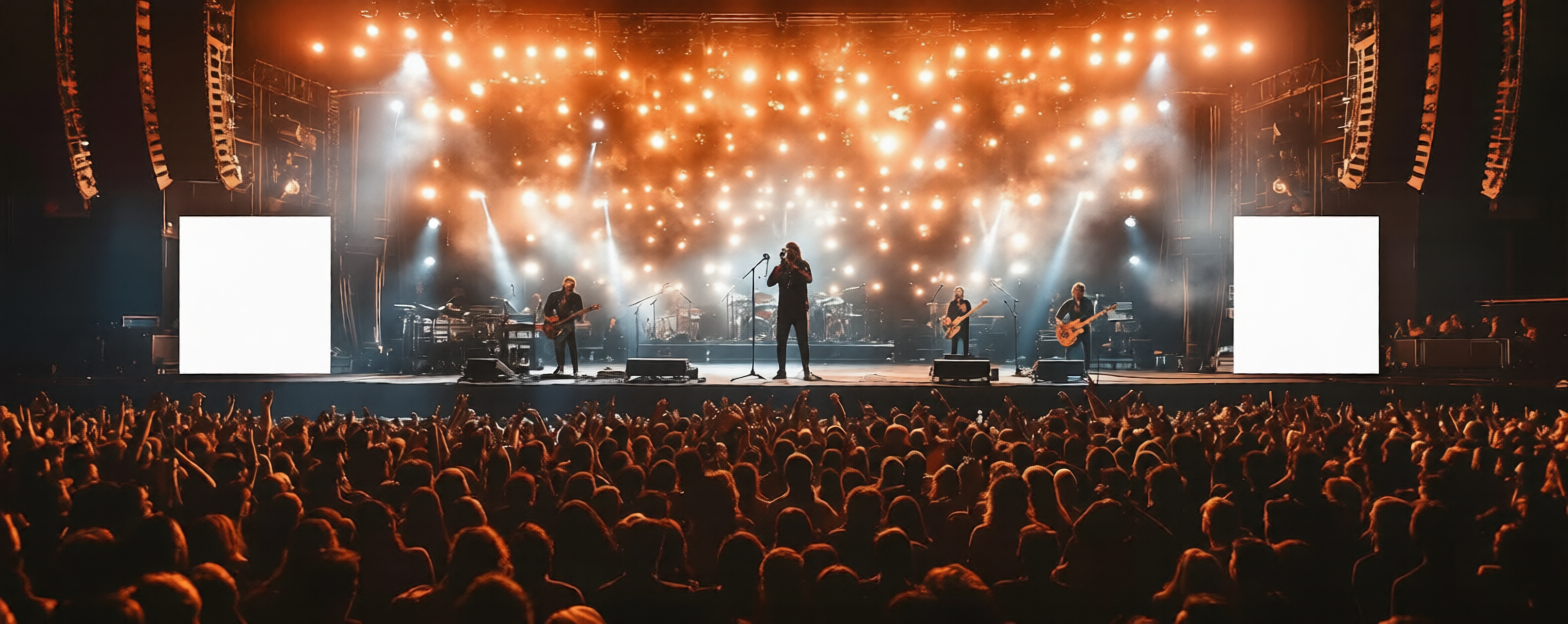
The live music experience in today’s world is no longer about passive crowd-watching or traditional set lists. In 2026, Gen Z live events are redefining the live music experience, putting immersion, interactivity, technology, and community at the forefront. The audience is no longer satisfied with passive crowd-watching; they want experiential concerts where every aspect, from lighting to stage design and audience engagement, is part of a dynamic and interactive experience. Today’s audience considers the concert experience a cultural journey, where the phenomena of concert tourism and gig-tripping trends are merged with real-time social engagement. Social media pre-concert hype, interactive experiences through apps, and post-concert sharing of experiences have made every concert a story co-created by artists and audiences alike. With AR VR concert technology, RFID and smart event technology, and interactive concert experiences, the boundaries between artist and audience are constantly blurring, and Gen Z gets to shape the experience and create memorable moments.
However, forward-thinking event organizers, such as Oh Yes Events, are embracing this new paradigm in concert experience design, creating events that are social, immersive, and technology-led. By leveraging personalized engagement, wellness-driven event design, inclusivity, and audience engagement in concerts, these events ensure that the future of concerts is not only entertaining but also meaningful. From interactive lounges and live polls to social content amplification, every single touch point is designed to connect with Gen Z’s expectations, and this highlights how Gen Z is shaping the concert experience and redefining what it means to attend a concert in 2026.
Live music experiences for Gen Z attendees are personal, social, and complex. They don’t purchase tickets to listen to artists perform; they purchase tickets to engage, share, and shape what happens at a concert. This has completely altered the design of concert experiences, shifting from passive performances on stage to immersive experiences where fans feel seen and engaged. These Gen Z fans are experience-driven, not possession-driven, often choosing concerts over other entertainment options. Concerts are no longer designed as events but as complete environments replete with activities, social interactions, VR/AR experiences, storytelling opportunities, and co-creation elements that draw fans into the story. This is just one way Gen Z turns every aspect of a concert into a memory, a story, and a shareable moment.


Taking the concept of immersion to the next level, interactive concert experiences involve fans as participants. Gen Z fans are not satisfied with mere sound experiences; they need physical, digital, and interactive experiences. These include real-time voting for set lists, crowd-controlled light shows, AR filters that change during the performance, and mobile experiences that provide exclusive content. Interactive elements of this nature make the experience a shared one, where the ownership of the moment is jointly experienced by the fans and the performers. With seamless app integration and smart event technology such as RFID, concerts have become living, breathing stories that are jointly created by artists and fans.
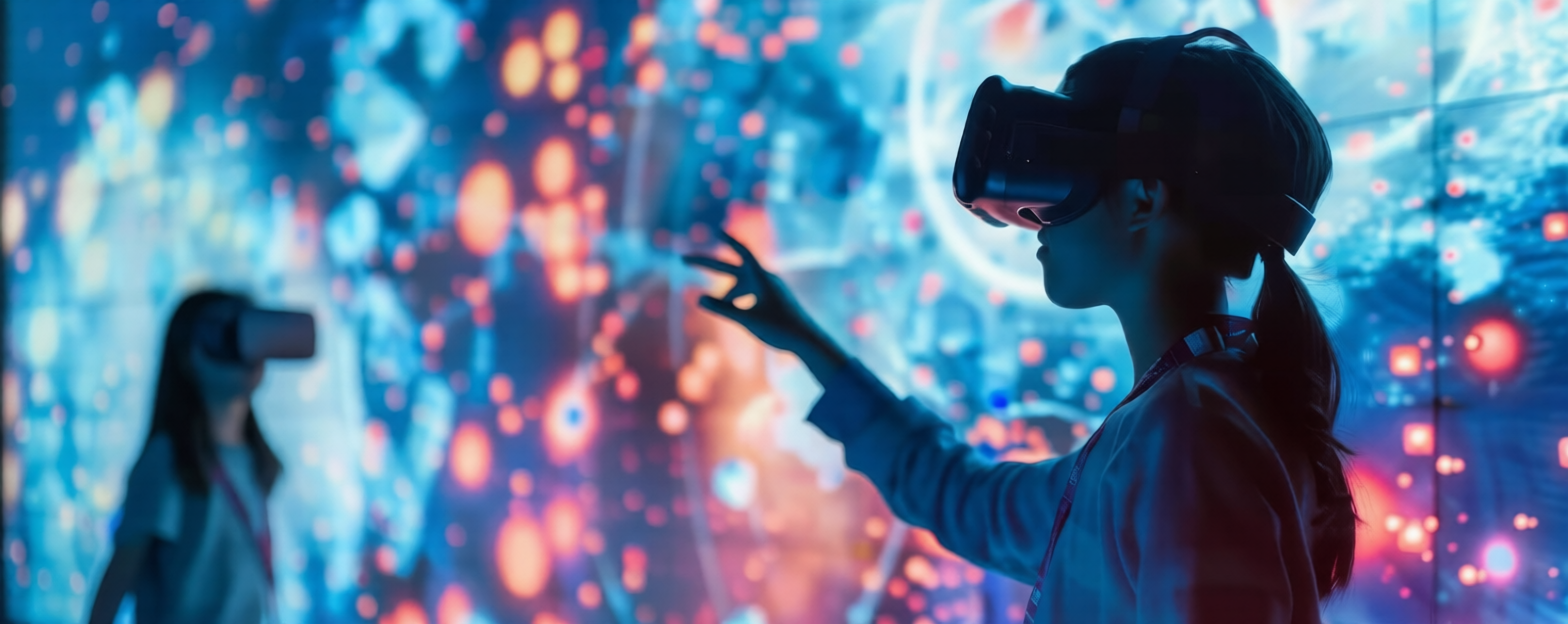
Immersive experiences have become the heart of the contemporary concert. Gen Z, in particular, wants more than music; they want emotion, surprise, and moment-level engagement, which has led to the emergence of immersive concert experiences where visuals, technology, and social interaction blend together to create holistic experiences. VR and AR are revolutionizing the way people experience concerts. Fans can now experience digital overlays, alternate camera angles, interactive scenic elements, or hybrid livestream experiences during or after the concert. The fusion of digital and physical storytelling has added dimension and replay value to new-age concerts, as many Gen Z fans now experience events through short-form videos on social media platforms. Fans no longer just go to concerts; they step into experiences that combine the physical world with digital magic.
Building on the concept of immersive design, AR VR concert technology has enabled concerts to be attended from anywhere and everywhere at the same time. With 360° livestreaming and VR capabilities, fans can now experience concerts from remote locations as if they are present in the audience. Hybrid event formats enable digital audience members to engage with the concert through live chats, virtual applause, and dynamic camera angles, effectively transforming conventional concert layouts into collective experiences that transcend geographical boundaries. Even audience members at physical concerts use AR to enable visual effects that respond to their movements, interests, or social media posts. Technology is no longer an afterthought but an integral part of concert design and experience.
One of the most exciting developments in the concert industry in 2026 is concert tourism. Gen Z no longer attends concerts in their neighborhood but as a travel destination. According to surveys, more than 62% of Indian Gen Z plan their travel itinerary around concerts as the main attraction. This phenomenon is also known as gig-tripping trends, where concerts become the “travel anchor,” and music becomes the reason for an entire travel experience, from staying at boutique hotels to discovering local cuisine and taking cultural walkabouts. This new generation of concert fans combines travel and concert culture, where experience-led travel becomes the new vacation planning, and music becomes the gateway to travel and exploration.
Extending the “gig-tripping” experience, Gen Z concertgoers are now looking for cultural immersion beyond the venue itself. After the concert is over, they are staying on to explore the local art districts, coffee shops, music bars, and alternative markets, turning a day at the concert into a weekend in the city. This is a positive development for the local economy as these young travelers are injecting their passion and dollars into a variety of experiences that enhance their trip. The concert-goer of today is no longer looking at an event as a singular experience but as a trigger for exploration and discovery, redefining the way cities engage with concert tourism.
Today, in 2026, the world of concerts and social media has become one. Gen Z consumes, tells, and co-creates the story of an event through social media-driven concerts, where they turn ordinary moments into trending content. Social media platforms such as TikTok, Instagram Reels, and YouTube Shorts extend on-site reactions, showcase surprise performances, and provide each attendee with a stage of their own. Influencer partnerships are now common at many festivals, where they team up with influencers even before the event to create buzz, release teaser challenges, and create community momentum, which in turn encourages fans to market the event themselves through UGC in live events. Video content created during a concert can reach millions of views, giving concerts a viral life beyond the event itself
Building on this, the role of social media in concert marketing has evolved from being a supporting role to a starring one. This is because event marketers have come to create their marketing campaigns around the concept of hashtag challenges, pre-event teaser releases, fan-submitted videos, and social media previews. It has also been observed that Gen Z social media users tend to say that they first heard about an event from their social media feeds and not from any advertisement. This is because event marketers have come to align the narratives of their events with the trends and features of social media platforms such as TikTok.
The values of Gen Z are more than just music and entertainment; they have a profound impact on wellness-focused event design and inclusive, socially responsible layouts. While Millennials led the way in making events more accessible, Generation Z demands that venues do more: chill zones, hydration stations, sensory-friendly areas, gender-inclusive restrooms, and areas that accommodate diverse mobility needs. This makes events more person-centered than performance-centered. Concert promoters have begun incorporating wellness activities such as quiet rooms, mindfulness breaks, non-alcoholic bars, and community areas to ensure that concertgoers feel comfortable and safe. This emphasis on comfort reflects the larger cultural values of mental wellness and inclusivity, making concerts a holistic experience that celebrates both music and humanity
With this paradigm shift towards inclusivity, event organizers focus on flexible design, accessible routes, and sensory navigation to engage diverse crowds. Inclusive concert experiences are no longer niceties but essential design elements that make every concertgoer, irrespective of their background and abilities, feel included and engaged. Moreover, audience engagement has evolved to encompass feedback mechanisms, digital surveys, personalization, and adaptive spaces that encourage concertgoers to participate in shaping future events. Such levels of interaction inspire a sense of community ownership and loyalty, making concerts more than mere entertainment; they become safe spaces for cultural expression that embody a shared identity and respect individuality.
In a world where concert experience design is all about striking a balance between technology, culture, wellness, social storytelling, and audience empowerment, being one of the best event organizers in Chennai, Oh Yes Events has certainly made a mark as a pioneer in designing experiences that appeal to the changing expectations of Gen Z. Understanding that the young generation of today wants to participate in an experience rather than just be a part of it, Oh Yes Events has been designing live music experiences that are interactive, immersive, and shareable.
Oh Yes Events’ philosophy is built around the understanding that concerts should be a shared experience between fans and artists. As experiential event planners in India, by incorporating crowd-interactive experiences like intelligent setlist voting, AR-driven engagement experiences, and social challenges, Oh Yes Events brings concerts to life as dynamic shared experiences that reverberate long after the final note.
Speaking of a concert event planner in India, Oh Yes Events is all about the latest in RFID and smart event technology, mobile app integration, and experiential touchpoints to personalize how each guest feels and engages at every given moment. This technology-driven approach is a perfect fit for Gen Z’s demands for customization, convenience, and connectivity.
Oh Yes Events’ understanding of the need for organic reach is reflected in their approach to designing experiences that are social media-friendly, from unique visual storytelling to collaborative hashtag experiences, making every concert not just an event but a social phenomenon. In this way, they are pioneering the future of live music experiences and setting a new benchmark for experiential concert concepts in India and the world.
The future of concerts is in experiences that are participatory, immersive, socially amplified, networked through technology, and driven by values of inclusivity and wellness. As Gen Z continues to lead the charge in how live music is consumed, marketed, and remembered, the best planners in the industry and the best music event management company in Chennai are working to create experiences that resonate with meaning, memory, and connection. The concert of today is no longer simply a performance but a narrative fabric woven together with shared experiences, travel adventures, social media updates, interactive experiences, tech wizardry, cultural discovery, and self-expression. As both the leaders and the participants, Gen Z gets to set the bar for what a great experience looks like, and the message is clear: the future of concerts is inclusive, interactive, and unforgettable.