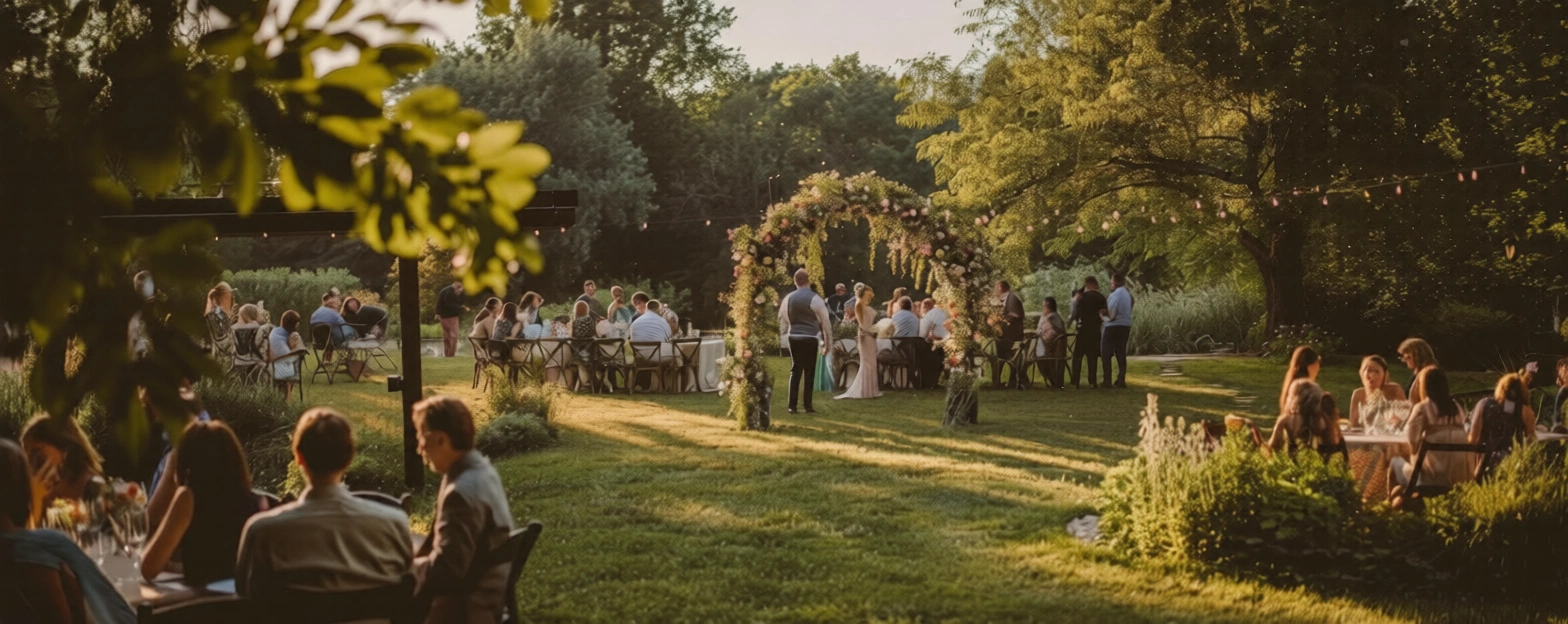
If you know, you know; most of the weddings are remembered because of their scale. But few weddings continue to linger because of the way they made people feel. The wedding celebration of Swaanika and Athreya was an example of the second, lasting two days, and had all the elements of a South Indian wedding celebration: grand, emotional, and sacred, yet it was imbued with a certain quality: responsibility.
Taking place in Shri Umadri Mahal over February 21st and 22nd, the wedding celebration was not only an event uniting two families; rather, it stood out by offering an alternative approach to organizing a modern wedding celebration while maintaining all traditions and cultural peculiarities.
Starting with a simple idea of banning disposable structures and elements, and thus ensuring no harm is done to the environment. Every element of the wedding was reconsidered through a different lens. The whole concept of this wedding continued evolving and resulted in questioning everything the couple planned for their celebration.
Could beauty exist without excess? Could hospitality remain luxurious without disposables? Could rituals remain untouched while the systems around them became more mindful? Sustainability was the key principle that helped shape the essence of the entire celebration.
It was certainly not the kind of “sustainable wedding” that made its presence felt. Rather, sustainability was subtly incorporated into every aspect of the experience of attending the ceremony, from the decorations to the actual ambiance. Whether it was in the form of sustainable decoration structures or in terms of waste segregation, each step taken during the event was intentional. But even with its environmental emphasis, there was nothing generic about this wedding experience. It continued to be rich in culture and emotion, yet highly elegant.
“In none of our efforts did we wish sustainability to appear to be a compromise. On the contrary, it was always about preserving the emotional richness of an Indian wedding,” said one of the planners involved. And over the course of those two exquisite days, their vision became a reality.
The preparations for the wedding started even before the first guest arrived because the foundation of the ceremony was established by following a philosophy based on the following three key ideas:
Instead of focusing on sustainability as a separate idea, the family and the organizers took it as a comprehensive concept. In all areas – guest zones, dining areas, kitchens, beverage counters, wash areas, and movement spaces – attention was paid to the environmental aspects of the process, creating a seamless experience. However, the real highlight of this particular celebration wasn't the system itself; rather, it was the ability of the organizers to integrate it completely and seamlessly into the guest experience.
There was nothing that could be perceived as instructional or limiting in any way. Conscious celebrations can also be elegant, luxurious, and immersive—this is the idea that this particular ceremony managed to illustrate perfectly. Guests were introduced to this philosophy even before entering the place where the celebration took place. With their wedding invitations, the organizers sent out a letter asking guests to take part in the eco-friendly celebration.
"It made people realize there was another kind of awareness," reminisces one of their closest relatives. "They weren't attending the wedding; they were part of something bigger and meaningful." This sentiment of collective duty subtly influenced the entire tone of the occasion.
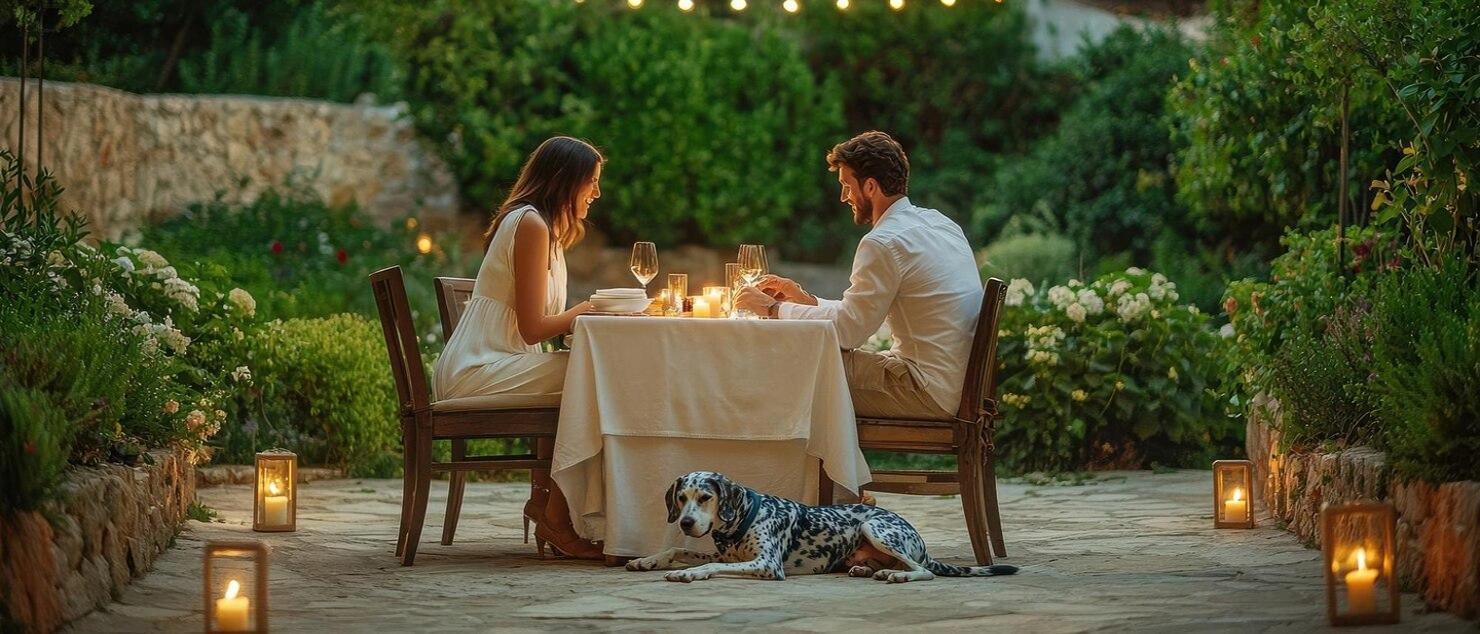

The festivities kicked off early in the morning on February 21st with a personal engagement ceremony that exuded warmth and elegance. This was also the same spirit in the design of the stage, which was an embodiment of the overall theme of the wedding. Instead of building one-time structures, the decor team designed the structure by utilizing recycled components, flowers, and sustainable materials that could easily be adapted during the wedding ceremony
The decision to do so was based both on ingenuity and sustainability. Flowers were used to soften the structure naturally, while details were kept minimal to allow the sanctity of the event to avoid any extravagance or visual excess. The mood was tranquil, elegant, and emotionally uplifting as family members came together to bless the newly engaged couple.
“Designing with purpose is one of the most beautiful things one can do,” stated a member of the décor team. “When every piece of material has its place, everything else just falls into place.” And having everything fall into place was what made the wedding so unique. There wasn’t anything that looked or felt forced.
With the arrival of the evening came a subtle change in mood towards that of celebration. The reception event was not supposed to be just another spectacular moment but a socially engaging environment where music, emotions, and coming together would converge naturally. Soft ambient lighting was cast inside the venue, and the aesthetic for the evening complemented the overall theme set at the wedding event: elegant, clean, and inviting.
This was followed by one of the most moving scenes at the celebration. A special entrance for Swaanika and Athreya took place during the live performance of a specially selected song by the couple. With the first few bars of the music filling the room, the atmosphere instantly changed. Applause filled the air, conversations stopped abruptly, and guests all turned their attention towards the couple, not because of the grand nature of the entrance itself but because of the emotions involved.
“It did not seem pre-planned,” shared one of the guests, “but personal." It felt as if the music were narrating their story for them. It was the perfect fusion of live instrumentation, soft lighting, and happiness that created a memorable moment. However, sustainability continued to remain embedded in every aspect of operations.
Among the notable features of the ceremony is how premium hospitality has been provided without the use of a single-use item. The couple did not settle for lower guest comfort levels just for the sake of sustainability. They managed to achieve both at once.
Drinks were not served in plastic bottles. Instead, reusable stainless steel glasses were substituted for disposable cups. Fresh fruit juice at the reception and Muhurtham ceremonies was provided using elegant glass items, and hot drinks were in edible wafer glasses, to the amazement of many guests. Traditional mud pot water dispensers have been set up all around the venue, providing additional convenience and an element of cultural familiarity. Drink counters used reusable systems, and all serviceware items went through sterilization with hot water before being used again.
It was, therefore, an exceptional form of hospitality experience that was not only hygienic and luxurious but also thoughtful. “Many people think of sustainability as being less comfortable,” noted one operations coordinator. “In this case, however, guests were served more carefully, since every item needed more attention.”
Food has always had an emotional significance within Indian weddings, not only as hospitality but also as a symbol of generosity and abundance. In Swaanika's and Athreya’s wedding, all the emotions behind the dining ritual were retained without any wastage.
There were no plastic plates, tumblers, or spoons at the venue. Reusable steel plates constituted the basic elements of the dining process, and hygienic serving processes made sure that guests felt comfortable and safe during their time at the event.
When the use of takeaway packaging was unavoidable, paper-made food boxes replaced traditional plastic ones. The change was simple and elegant. Guests still relished the same rich traditions of Indian weddings without leaving behind a huge environmental burden from the dining experience. It was clear that conscious systems could be created without compromising cultural tradition.
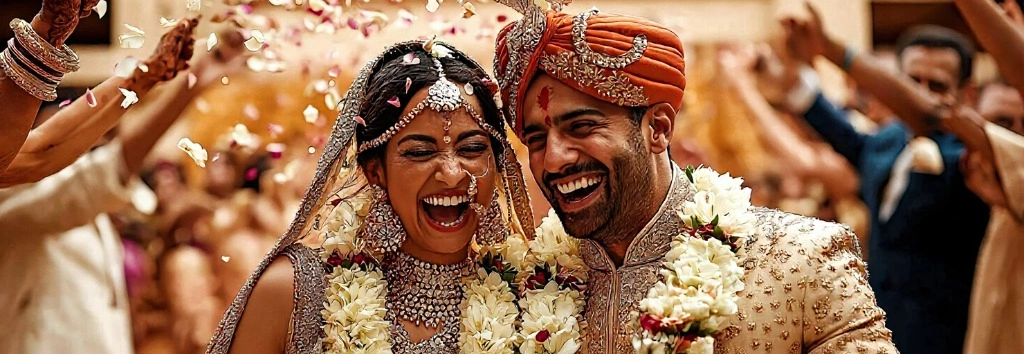
The decoration language throughout the event had stayed consistent with timeless restraint. Instead of using more structures or making use of highly consumable materials, natural textures, sustainable decorations, and gentle decor were preferred. Decorations such as flower arrangements, textile-based installations, mirrors with signage, and low-energy lighting helped create an elegant but non-extravagant environment.
Textile-based installations took the place of the flex boards. Sustainable structures were used instead of wasteful decorations. Low-energy lighting was introduced during the evening hours to create a sense of warmth and relaxation. Above all, the decoration of the engagement backdrop, which was changed to make way for an elegant decoration for the next day's ceremony, became the highlight of the evening's celebration.
"The idea was never to bring forward the element of sustainability by making it obvious," said the decoration designers. And that is possibly why their styling stood out. Sustainability did not detract from the occasion; it just accentuated it. Moreover, even post-event, the flower arrangements would be carefully picked up and taken for composting.
The gift bags given at the end of the wedding followed the same philosophy as all other aspects of the wedding: utility, intent, and environmental responsibility. The attendees got beautifully made gift bags that were made from natural textiles and grass-based products. The traditional snacks, such as murukku and laddu, were packed in paper-based zipper pouches and butter paper wraps. Polythene-based packing was not used at any time. However, despite the intelligent packing system, the act of gifting did not lose its sense of traditional hospitality. The guests left with something very traditional, just packaged with more responsibility and mindfulness.
The second day of the festivities exuded a more spiritual energy. The morning rituals kicked off on February 22nd in a transition from the festivities into a sense of spiritual sanctity and continuity with all the sustainability factors woven throughout the wedding.
The Kaasi Yaatra ritual filled the air with laughter and festive spirit and was marked by fun interactions between families, their conversations reverberating through the halls, along with the joyful execution of an age-old ritual practiced at South Indian weddings. It wasn’t long before the Kalyanam ritual began.
Soft mantras emanated from the hall, and blessings for the couple were poured out amidst various rituals and spiritual blessings. The revamped stage backdrop, carefully reused from the previous engagement ceremony, held an entirely new emotional significance. Where there had been celebration, now there was devotion.
In that transition, one of the main themes of the wedding became clear: renewal is not without beauty. “We never felt like we were sacrificing tradition,” whispered an elder member of the family. “In fact, we were made even more aware of maintaining what really mattered.” In the aftermath of the ritual came the Naagavalli Muhurtham.
Even the traditional closing ceremonies of the wedding were performed in a mindful way. In the Kattusadham tradition, where packaged meals are served to family members and departing guests, a sustainable process completely took place instead of the usual unsustainable practices. Packaging for meals consisted of eco-friendly containers and packaging material, while reusable cloth bags were used instead of plastic bags.
The meaning of the ritual was left unaffected. While guests continued to take away with them the significance of the tradition, it was done in a way that took care of the future rather than neglected it. As important as the approach to the wedding is in dealing with leftover food. With menus being carefully prepared, there was a conscious effort to minimize food wastage without reducing the hospitality associated with Indian weddings. Leftovers, if any, were carefully repackaged and donated where necessary.
As the final evening wore on, the tone turned intimate again, and laughter filled the air
The Nalangu festival was one of fun, through various forms of games, banter, celebrations, and rituals, which united families after days of sacred ceremonies and emotionally charged activities. Laughter came easily within the space. There was no rush to leave. Conversation slowed. People took their time.
It felt like everyone was in the present moment, and there was no sense of being rushed to get anything done. Perhaps the most significant part of the wedding was the fact that even when everything else went as planned, including the operations and the sustainability system, the emotion stayed pure.
One of the most surprising discoveries about Swaanika and Athreya’s wedding came not during the celebrations themselves but afterwards.
All forms of waste produced during the celebration period were collected, sorted out, and disposed of using sustainable methods.
The end result was nothing less than astonishing:
Almost all the waste produced by the wedding was kept away from landfill sites. Waste organic materials were composted, floral arrangements became manure, and all recyclables went to appropriate recycling facilities.
And even after guests had left and the cleaning began, the same care and effort were exerted:
The celebration didn’t end in a mess but in responsibility.
Ultimately, the wedding ceremony of Swaanika and Athreya conveyed an overarching message beyond numbers and success stories. It showed how contemporary Indian weddings do not have to compromise on aesthetics to be responsible. Yes, traditions and environmental awareness cannot be pitted against each other. Again, yes, elegance could be achieved through restraint as much as through luxury.
From the reuse of decorations to environmentally conscious hosting, from spiritual rituals to zero-waste operations, all aspects of the wedding were a testament to the care and thoughtfulness not just towards the guests and loved ones but also towards the world surrounding them. And maybe this is precisely what makes the marriage so unforgettable.
Not because it tried to create a revolution. But because it proved, gracefully and beautifully, that change can be sparked in even the most traditional places. With the last rituals done and with the venue returning to a state of tranquility, what remained was more than just a memory. It was hope. An indication that celebrations could still be bountiful without having such an extensive impact on the world around us. That maybe the most beautiful weddings in the future would not just be the most memorable but the most mindful, too.