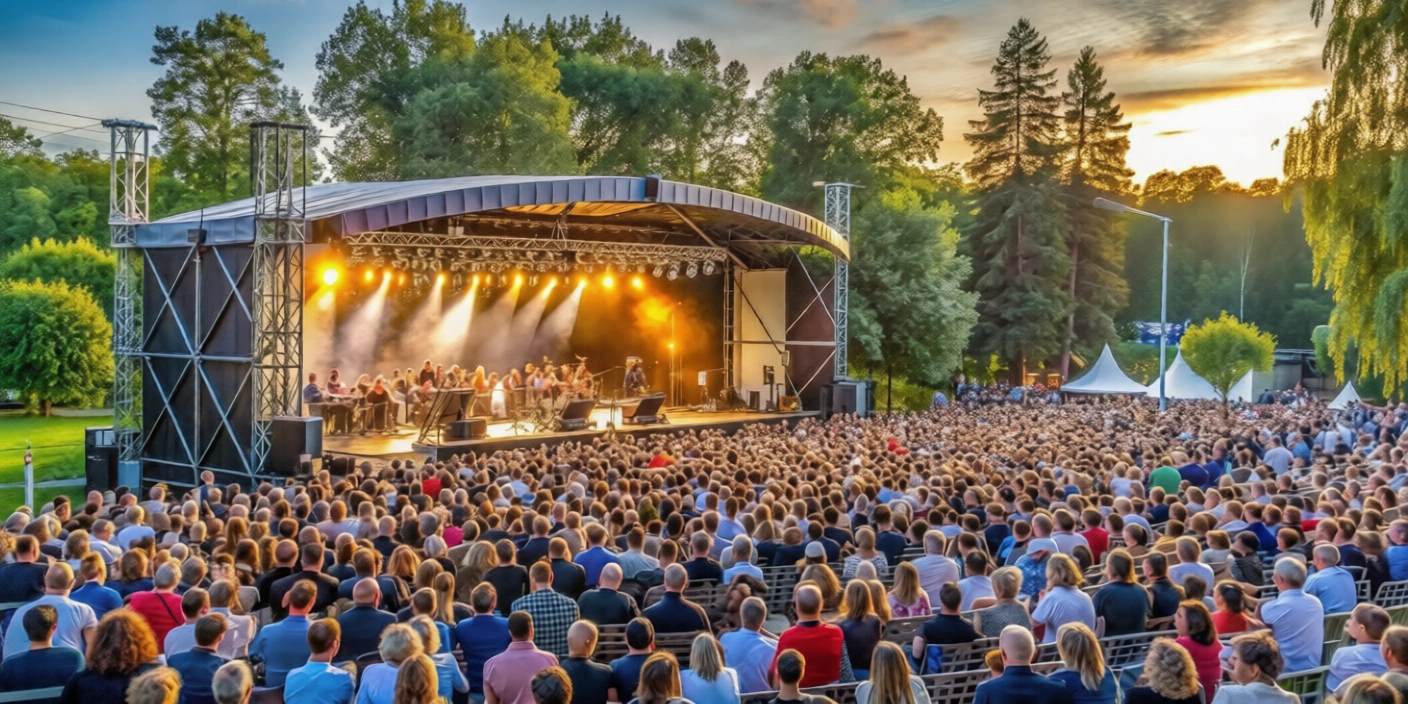
The Gen Z concert experience in 2026 is no longer about music; it’s about meaning, memory, and movement. The future of live entertainment is being defined by a generation that expects immersive concert experiences, participatory storytelling, digital connectivity, and climate-responsible production – all in one seamless experience. In today’s world, Live music trends in 2026 indicate a radical shift towards next-generation live events where fans co-create experiences, share them instantly, and move from city to city for culturally relevant performances. From AR and VR concerts to Zero-waste festivals, the times are changing at a pace never seen before.
At the cutting edge of this revolution are progressive planners and immersive concert event planners who recognize that concerts are no longer passive events – they are living, breathing cultural hubs. Concert organizer agencies in Chennai, such as Oh Yes Events, are adapting to this change by integrating sustainability, technology, and youth-driven storytelling into experience design that speaks volumes to the new generation of fans. This is the eco-concert Revolution, where sustainability and spectacle come together in a world of entertainment as an ecosystem.
To fully grasp the impact of how Gen Z is changing live concerts in 2026, it is important to understand that Gen Z consumes music in a different way. For Gen Z, attending a concert is more than just going out for an evening; it is an experience, an event, and an opportunity. The concert experience for Gen Z in 2026 is one that is experiential, interactive, and very personal. Based on the changing Gen Z live music culture, young music fans do not just watch concerts; they take part in them, share them, and spread the word. They want to be personalized, purpose-driven, and present.
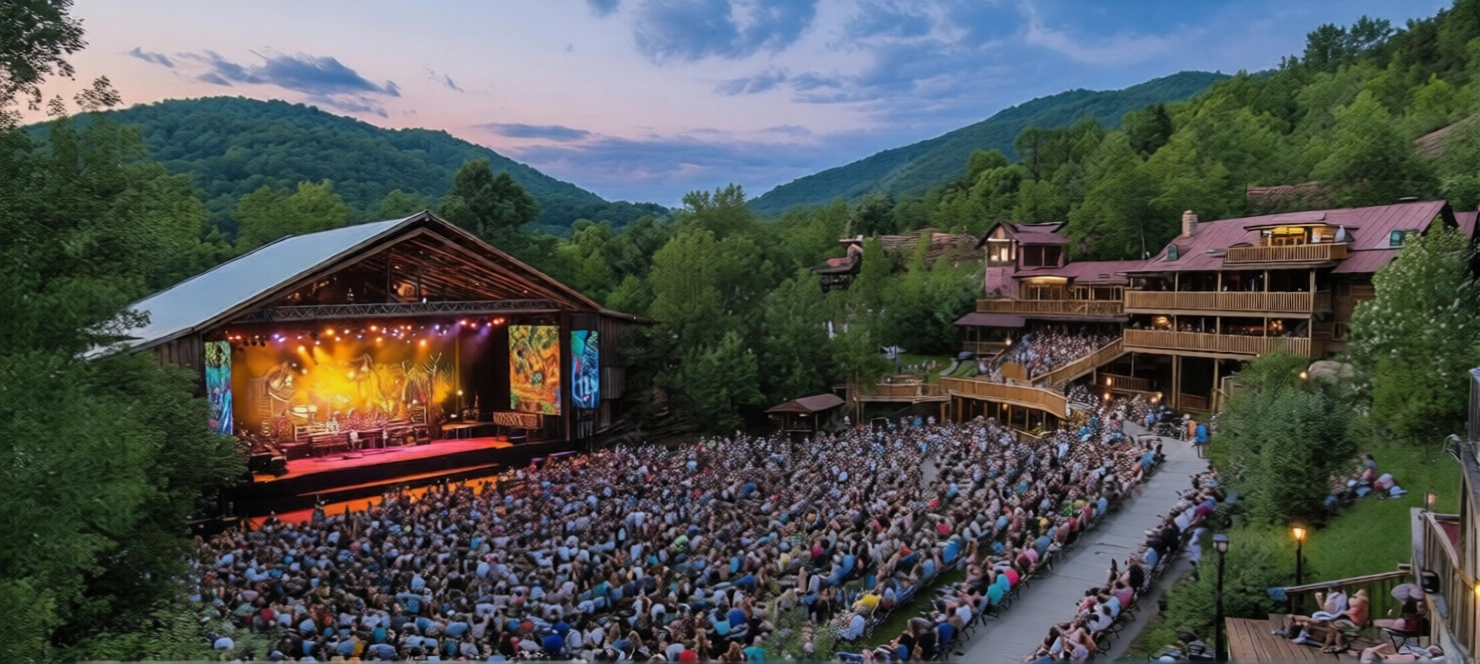

The emergence of participatory concert experiences reveals the extent to which audiences of today are eager to participate in the action, rather than simply be spectators. Audiences today demand audience co-creation, whether it is voting for the encore song, contributing to the stage visuals, or helping to unlock surprise elements of the performance. With the use of real-time audience polling and real-time fan voting concerts, the audience is able to influence what happens on stage. Such high levels of crowd interactivity make concerts seem more spontaneous and more personalized. Rather than being mere spectators, audiences are able to co-create the experience. And when audiences feel invested, they feel connected, both emotionally and digitally
Concerts in 2026 are designed with the camera in mind. With social media-driven events and the power of short-form video marketing, every performance, light flash, and audience moment is optimized for sharing. The role of TikTok on live event promotion has revolutionized the way the pre- and post-event buzz is created. Viral moments, dance challenges, and behind-the-scenes action continue to keep the energy alive even after the show is over. Simultaneously, user-generated content in events has created a genuine buzz, with fans becoming unofficial brand ambassadors. By leveraging creator-led event marketing, event organizers can ensure that concerts not only take place in a venue but also happen on time.
Concerts today are more than music; they are youth-driven cultural experiences. One concert could be a combination of live music, fashion shows, sustainability pop-ups, art installations, and conversations. This is most apparent in Gen Z event marketing in India, where the focus is on storytelling, representation, and shared values over celebrity headliners. Young people are looking for places that represent who they are and what they believe in. They are looking for connection, inclusivity, and purpose in the event design. This is not just about marketing to a younger audience but also about understanding that culture is evolving and concerts are becoming platforms for identity and expression.
Technology is the driving force behind the current revolution in the entertainment industry. The emergence of phygital concert Experiences, which combine physical concerts with digital elements, is revolutionizing the way music fans engage with their favorite artists. Technology is no longer a background player in the entertainment industry; it is now an integral part of the concert experience design. Technology enables innovation to be linked to real-time engagement, thereby transforming concert experience design into a more responsive, personalized, and immersive experience.
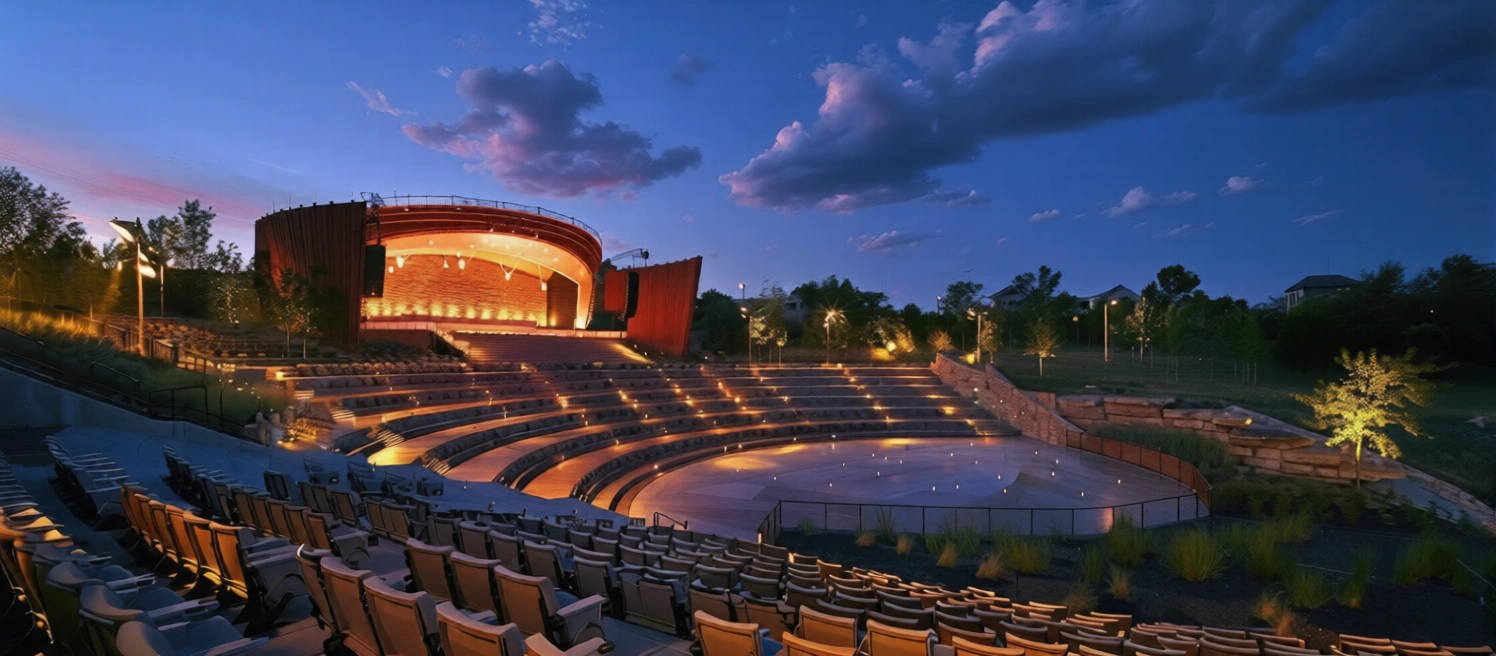
The world of concert visuals has entered a completely new dimension. With AR and VR in concerts, the world of storytelling has expanded beyond the physical boundaries of the concert stage. Artists are now using AR layers, immersive backgrounds, and 3D projections to create a setting that is cinematic and interactive. Using AR concert filters, audiences can now experience exclusive digital effects on their mobile phones, combining live concert design with their own mobile screens. Such tech-enabled live events do not replace the experience of being there but rather enhance it. The experience is a multi-sensory one where the physical and digital worlds come together seamlessly.
The key to a smooth event experience is always the infrastructure that supports it. Modern tech-integrated event planners use RFID event technology to make entry, VIP access, and other processes easier. Wristbands or digital event passes enable quick check-in, personalized benefits, and live crowd flow tracking. With contactless event payments, visitors can easily access food, merchandise, and lounge areas without waiting. These solutions not only optimize event operations but also provide a hassle-free experience for guests. At the same time, event organizers can leverage data insights to optimize future events. Technology in this case is not about wow; it’s about how.
The days of geography being a barrier to live music are over. Thanks to the emergence of hybrid models of live engagement, fans can now engage with the performance whether they are front row or thousands of miles away. Live streaming, backstage passes, and metaverse meetups mean that the reach of every performance is extended. This is a new dawn in hybrid models of audience engagement, where every concert is inclusive and accessible, especially to global fans. Digital fan zones, chat sessions, and live reactions mean that fans who are miles away are not left out but are an integral part of the event.
Audiences today crave experiences that are about them, not the crowd. Event Personalization technology allows concerts to suggest merchandise, exclusive content, or VIP experiences to fans based on their interests. This makes the experience more significant for the fan. Simultaneously, social commerce in live events is revolutionizing the way fans engage. In-app purchases, influencer partnerships, and limited-edition releases make merchandise an experience of excitement. For Gen Z, concert production specialists, technology is not an afterthought; it’s the backbone. The result is interactive live events that are intelligent, responsive, and in perfect harmony with fan expectations.
One of the most exciting live music trends in 2026 is the growing trend of travel-related attendance. Fans are no longer just purchasing tickets; they are organizing vacations around concerts. This has led to an increased concert tourism trend in India, where music festivals and international tours are now impacting travel choices in ways that have never been seen before. Young fans are now mixing music with travel, making concerts a weekend getaway or an entire cultural experience. By integrating travel with culture, live music is now driving the hospitality and local economy sectors.
The concert tourism phenomenon is at an all-time high, and in India, the gig-tripping 2026 phenomenon is revolutionizing the way young people organize their calendars. Fans are no longer waiting for artists to come to their city; they’re organizing flights, trains, and road trips to attend headline concerts. This, of course, is linked to the experiential tourism 2026 phenomenon, where the event is the primary reason for travel, not an afterthought. The rise of concert tourism among Gen Z in India indicates the massive impact of music on lifestyle decisions. Fans are combining concerts with food walks, nightlife, and exploration, which is further increasing the festival economy's impact.
Concerts in today’s world are no longer just events, but catalysts for culture-led travel and community-driven events around them. When a large concert arrives in a city, it usually sets off a chain of events with local designers, food brands, artists, and community groups. Pop-up markets, after-parties, and installations, all themed around the concert, turn a night of music into a cultural event that lasts for days. This has made cities come alive and feel connected. Rather than just hosting an event, cities are now creating experiences around local culture. Music is the anchor, but the heartbeat is now community engagement around the event.
The economic impact of concert tourism in India is much more than just the ticket sales. When fans travel to attend concerts, they stay in hotels, eat out at restaurants, shop, and use transport services, thus having a multiplier effect on the economy. This has a positive effect on the overall festival economic impact on a longer term. As cities compete to host major concerts and festivals, infrastructure, ease of access, and sustainability become the key determinants. There is a growing trend of collaboration between local administrations and the organizers of concerts to ensure that the environment is conducive. Entertainment is no longer fixed; it is mobile, experiential, and a major economic force in shaping the city.
The eco-concert revolution is more than just improved technology and bigger experiences; it’s about accountability. Without true environmental responsibility, innovation is only half the story. In 2026, sustainability is no longer a secondary focus but a foundation of event planning. The true meaning of event sustainability integration is to incorporate green thinking into every aspect of event production, from energy and resources to travel and waste management. By linking innovation and responsibility, event planners are showing that innovation and green thinking can coexist. The green evolution of live events is no longer a trend but the new norm.
The current event production industry recognizes that mass entertainment is not environmentally friendly, and that is why eco-friendly concert production is no longer the exception but the rule. Concert producers are working towards renewable-energy concerts, powered by solar panels and battery storage systems rather than the usual diesel generators. This has made a huge difference in reducing carbon emissions without affecting production quality. Moreover, many production teams are working towards carbon-neutral concerts by calculating their carbon footprint and collaborating with trustworthy carbon offset projects. It is not about being flawless in one go; it is about making progress.
The trend of zero-waste festivals and plastic-free music festivals is a sign of increasing awareness on the part of both the organizers and the attendees. The new generation of festival-goers is aware of what is being served, how it is being served, and what happens to it after it is consumed. This is why festivals are moving away from single-use plastics to compostable cutlery, refill water points, reusable cups, and circular merchandise. Vendors are being encouraged and, in some cases, forced to meet these sustainability criteria. This not only helps in reducing landfill waste but also makes a statement about what is valued.
At the heart of every successful sustainable event is strategy. With green event management and sustainable event design practices, planners are able to reduce energy use, optimize logistics, and cut waste while not compromising creativity. From more efficient stage designs to sustainable sourcing, sustainability is being integrated into the very core of event planning. The continued growth of sustainable live events demonstrates that attendees do not perceive environmentally responsible decisions as restrictions but as leadership. In fact, sustainability transparency is often used to build brand trust. Today’s attendees reward authenticity and hard work. Going green is no longer a specialty differentiator but a sector requirement.
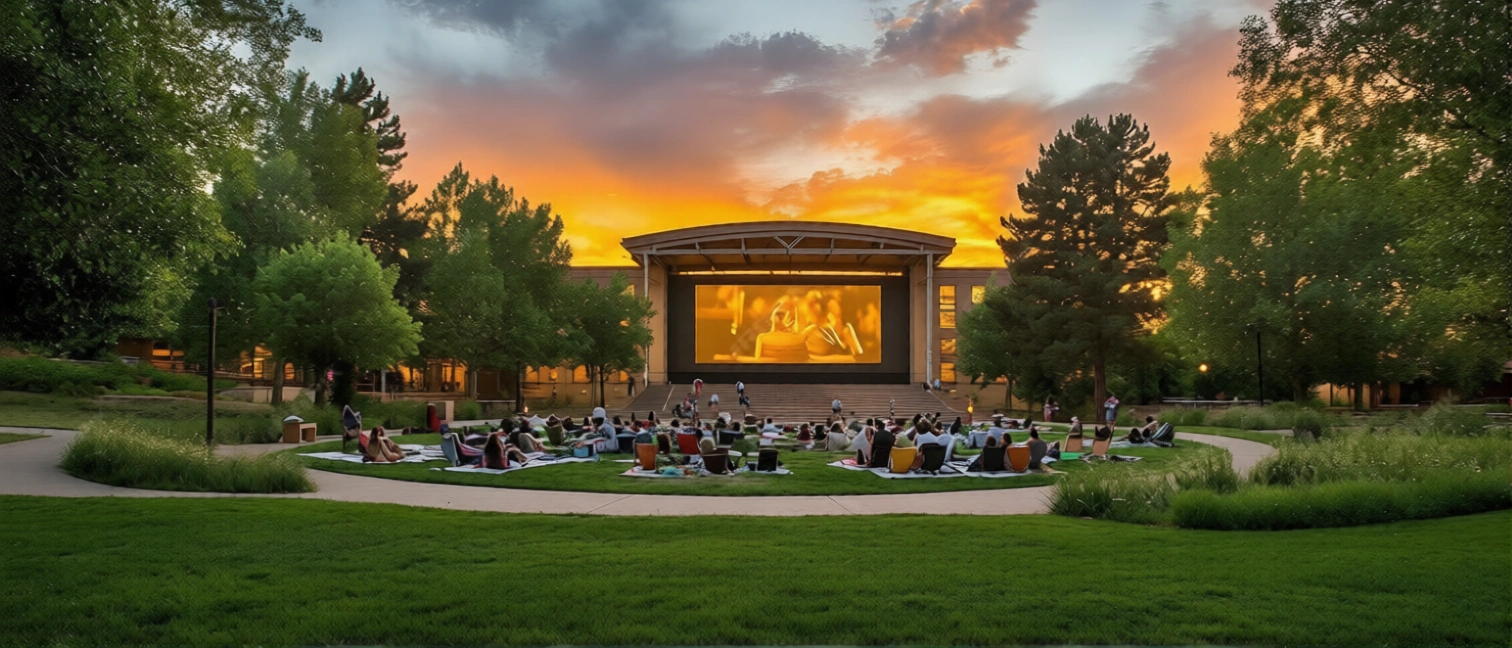
Contemporary concerts are no longer simply about music and entertainment; they are also about designing spaces where attendees can feel safe, seen, and supported. Real progress also involves looking out for the planet and the people who come to the event. This is where inclusive event design and community-first event planning become important. This is because event design that focuses on inclusivity takes into consideration accessible design, sensory-friendly areas, and more. At the same time, the emergence of wellness-focused concerts also indicates that there is a focus on hydration stations, rest areas, and more.
Inclusive event design is essentially about ensuring that everyone attending the event feels included. This includes accessible event space design, wheelchair-accessible routes, accessible signage, gender-neutral restrooms, and sensory-friendly areas for those who may feel overwhelmed in a highly stimulating space. It also includes representation on stage and behind the scenes. When events are designed with this in mind, they automatically become community-first event planning, which is designed with values in mind. Inclusion is not a box to be checked; it is a value of equity and belonging. When individuals see themselves in the experience, they become more connected to it.
The rising trend of wellness-focused concerts indicates how much people are looking for a balanced lifestyle. Concerts are still about energetic performances, but they are now accompanied by intelligent additions such as water stations, shaded areas for resting, meditation zones, and even mental health support booths. The concert planners are also considering the timing, avoiding crowded schedules that drain people. All these changes are a result of a rising need for healthier and more conscious event spaces. Concerts are no longer about pushing people to their limits; they are now about growing them. Wellness and entertainment are no longer two different things; they are now one.
In 2026, successful concerts are no longer about selling tickets, but about storytelling. By using Experiential storytelling, the organizers of the concert are able to create emotional stories around themes, values, and communities. This enhances experiential event marketing, where the audience is made to feel as if they are part of something greater than the event itself. By using social-first event design, the events are designed to engage both online and offline. From installations to shareable moments, everything is designed to create a cohesive identity. Rather than transactional marketing, the focus is on emotional engagement and authenticity. This creates a massive shift in concerts that do not drain the audience but energize and inspire them.
In the ever-changing live entertainment industry, the need for a progressive immersive event design company has never been more critical. Oh Yes Events, as a unique and innovative Experiential event agency in India, redefines what it means to be a Gen Z-oriented event production company. As a team of passionate experiential entertainment curators, they do not just deliver events but create complex and meaningful experiences. Their concert experience design strategy integrates immersive design, sustainability, and technology to create a single cohesive experience. Each event is carefully planned from the point of audience entry into the venue to the way they share and experience the event. By blending creativity with planning, Oh Yes Events makes sure that each concert is personal, interactive, and future-forward.
What makes Oh Yes Events stand out is the smooth implementation of strategy into execution. As social-ready concert production leaders, they incorporate a robust digital amplification strategy into the very fabric of event design, influencer ecosystems, engagement platforms, and shareable moments that go beyond the event space. As a cultural experience architect and a youth-focused event agency, they curate concerts centered around identity, inclusivity, and emotional connection. Their sustainable live events expertise ensures that the production is eco-friendly, responsible vendor collaborations, and regenerative design are incorporated into the production strategy. In a world where the events industry is always in a race to innovate, Oh Yes Events shows that technology, culture, and sustainability can be combined to create experiences that are immersive, responsible, and connected to the next generation.
So, why are immersive concerts the future of live entertainment? Because they represent exactly where culture is going. The crowds of today want more than just sound and show – they want connection, engagement, and meaning. Immersive experiences celebrate innovation, from technology used in modern live music events to dynamic stage design and digital integration, without sacrificing the heart of live performance. And yet, sustainability is no longer a choice; it is instead a complementary foundation of progress, standing alongside creativity as a hallmark of the future.
It’s also a shift that is apparent in the increasing call for interactive fan engagement ideas for concerts, where fans get to shape the experience rather than just observe it. And as the dialogue about how event planners create Gen Z-focused concerts continues to develop, the prescription for success is simple: integrate sustainability, engagement, personalization, and storytelling into one comprehensive system. The eco-concert Revolution is more than a trend; it’s a fundamental shift in the way music, motion, and meaning come together. And as experience-driven agencies such as Oh Yes Events continue to explore this nexus thoughtfully, the potential for brands, artists, and communities is staggering. The question is no longer