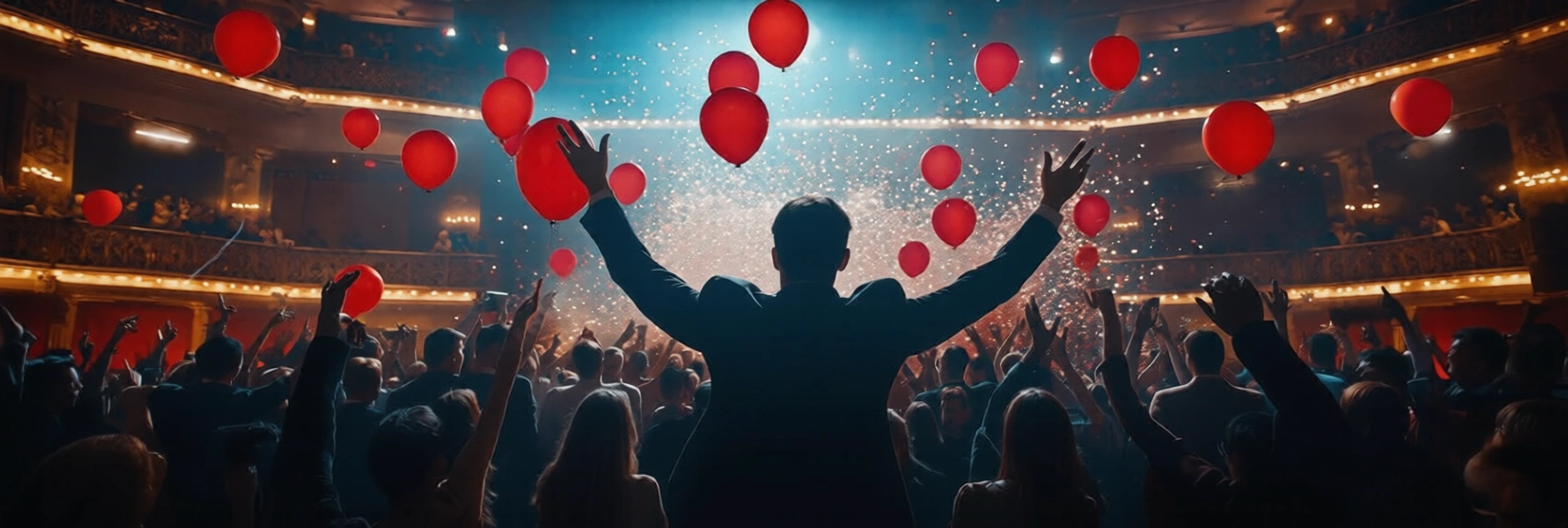
Something big is going on in the world of music, and it’s not only happening on the stage. For the past decade or so, concerts had slowly and quietly become something way more profound than just a night on the town. What used to be a simple transaction—you pay for a ticket, an artist performs, and you leave the building—has become something much more involved, much muddier and frankly, so much more exciting. We are currently living through some of the most compelling concert industry trends 2026 has to offer right now, and at the center lies a basic fact about human nature: people want real feelings.
Great on-site and off-site experiences are only part of the future of concerts. It is about the electricity between an artist and all of those thousands of people standing in front of him. It’s about artist-fan interaction being a real two-way street as opposed to a one-sided broadcast. And it’s about live music industry trends that are forcing everyone in the biz, artists, producers and venue owners alike, to reconsider what a concert can even be.
They don’t show up to hear songs they already know. They are attending live music experiences that give them a sense of belonging to something larger than themselves. They want to be moved. They want moments that they’ll be talking about years from now. And the industry, gradually but surely, is figuring out how to provide just that
For companies operating within live entertainment, such as teams like Oh Yes Events, this is an exciting but difficult time. The chance to produce something truly memorable has never been higher. But so has the pressure to get it right.
Here’s something to dwell on for a second: In an age when you can stream just about every song from practically any artist anytime you want at bargain rates, people are still spending hundreds and even thousands of dollars to be herded along with others before the stage to see a band play live.
That should tell you something vital about what concerts really are. They’re not only a means for listening to music. They’re experiences that streaming can never duplicate, no matter how advanced the algorithm gets.
The numbers back this up. The live music economy has expanded faster than any other entertainment industry could have dreamed of. Concert ticket demand is soaring, global concert tours are selling out venues across multiple continents, stadium concerts are the cultural events of our time, and arena tours bring in fans who organize their entire year around a single show. The touring industry growth we’ve witnessed in recent years isn’t a blip; it's an indication that live music is one of the biggest forces in entertainment.
And the financial dynamic has changed as well. Music touring revenue is no longer a supplemental source of income for artists; it's, in many cases, the primary one. That transition has transformed every aspect of the way concerts are planned, marketed, and produced. When touring is where the income lies, the stakes to make every show great are quite high.
But here’s the thing: the best concerts aren’t just commercially successful. They're culturally significant. There’s something magical that occurs when tens of thousands of bodies occupy the same space, feeling the same thing at the same time, that can simply never be replicated digitally. That shared energy, that collective emotion, is what brings people back again and again.
And of course, pulling all this off is genuinely hard. World-class live entertainment production doesn’t just happen: it takes detailed concert event planning, intricate logistics, and some real creative ambition. It’s networks of people, artists, promoters, venue teams, and production specialists working in concert with one another to ensure that something seems effortless. Any concert event management company worth its salt will know that the magic that audiences experience is the result of massive behind-the-scenes effort. And that endeavor only increases as productions scale up.
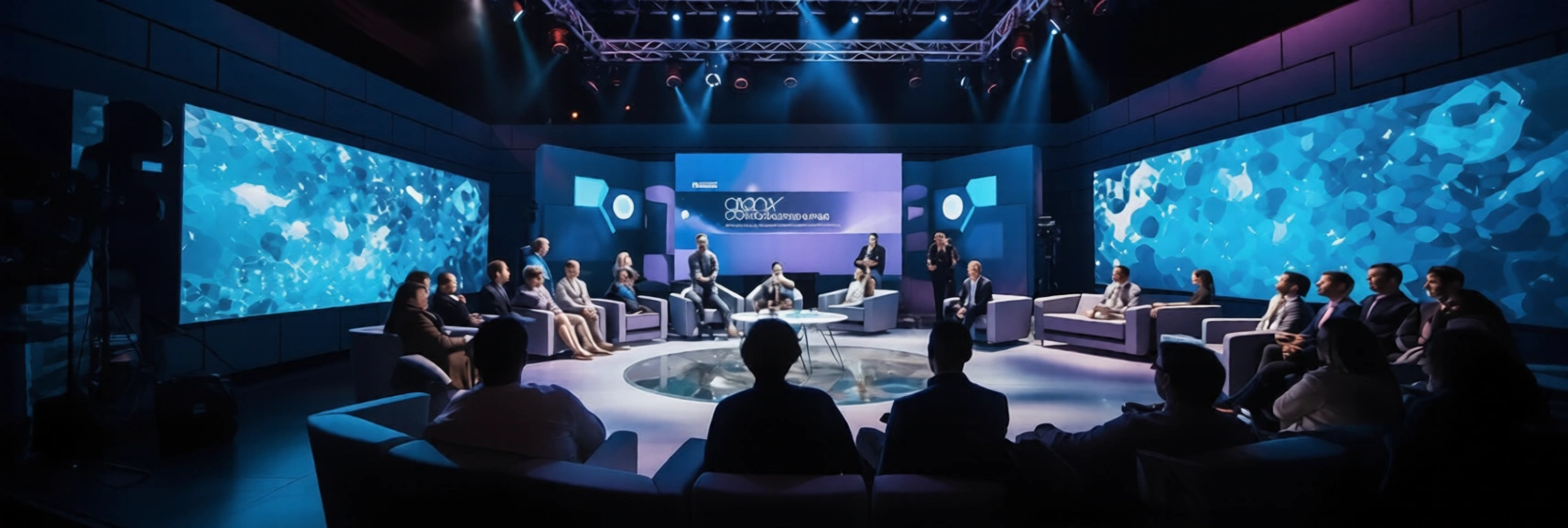

Not so long ago, attending a concert meant standing at the front of a stage and watching someone perform for an hour or more, swaying slightly and clapping at the end. That model still exists, to be clear, but audiences have begun to crave something else. Something more.
They do not merely want to view, but under a very different economic model. They want to be in it. This recalibrated expectation is one of the defining features of modern concert experiences, and it’s compelling artists and event producers to get a lot more creative about what transpires inside a venue. The goal of next-generation concerts isn't just performance; it's participation, immersion, and genuine emotional exchange.
Step through the doors of one of today’s major productions, and it won’t take long to see why the word “show” has begun to feel a bit small. What’s going on at the leading edge of immersive concert experiences is more like stepping into another world than simply watching a performance.
Multisensory concerts are being built from the ground up to stimulate audiences on multiple levels at once. LED stage environments span entire arenas, transforming the space itself into a living and breathing visual experience. Projection mapping turns surfaces into canvases for storytelling. And immersive stage design conjures spaces where the line between performer and audience begins to dissolve in genuinely surprising ways.
Then there's sound. Spatial audio concerts, in which music moves through three-dimensional space around the audience instead of travelling in a straight line to just batter them from the front, are starting to reshape how we even think about listening to live performance. It’s the kind of innovation that not only impresses people but also makes them feel things they never thought they would.
Not only are these advances in immersive live music shows about spectacle. They serve a wider purpose: to create the conditions for emotional connection. When an audience is fully enveloped in an experience, that’s when it hits different. The performance is no longer something happening before them and begins to be something that happens to them.
Outside of the sensory experience, audience engagement in concerts has experienced a new level of interaction. Artists and producers are coming up with ever more ingenious ways to cede a bit of control to the audience, and fans adore it.
Fan engagement at concerts comes in many iterations: live polls that impact the setlist, lighting wristbands that create a 3-D tapestry out of the audience members, and interactive visuals that react to physical movement or sound from fans. These aren't gimmicks. When handled well, they turn a concert from a sale into a collaborative act of artmaking. And that’s precisely the kind of moment people tell stories about.
For as long as live music has existed, technology has played a part in it, from the earliest electric amplification systems to 1980s laser shows. But what’s happening now seems qualitatively different. But the tools at our disposal don’t just make concerts larger or louder. They make them smarter, more responsive, more personalized and more attuned to the people in the room. Fan engagement technology is developing faster than most people in the industry can process, and a very unique breed of producers are doing something with these tools without allowing them to eclipse the human life at both ends of the experience.
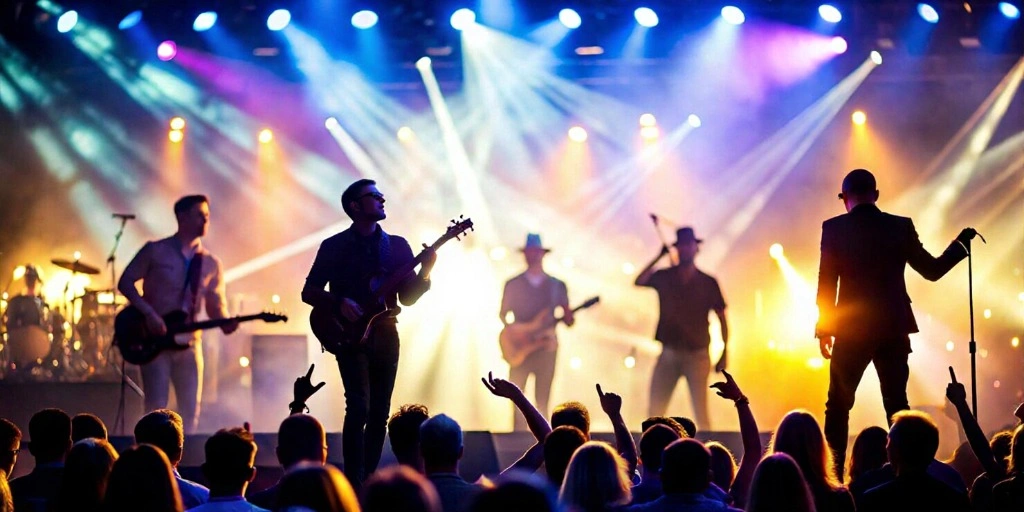
AI at concerts might seem a tad robotic at first, but consider what it means, actually, in practice. Artificial intelligence in live events analyzes audience behavior better than we could have done just a few years ago. What are the most emotive parts of a show? At what point do people often get distracted? What products are people most likely to crave?
That kind of fan data personalization enables event producers to transcend one-size-fits-all experiences and begin creating moments that seem eerily personal, even at scale. That could come in the form of curated recommendations delivered to your phone before the show or a venue that’s been smartly designed so crowd flows are optimized based on historical behavior trends.
It’s also changing things up for smart venues, physical spaces designed with intelligent infrastructure. The aim isn’t only to improve operational efficiency (but that doesn't matter). It’s creating an environment where technology works behind the scenes so that the audience, frictionless and confusion-free, just is, without anything getting between them and the experience.
The best concert technology innovations disappear. You don't notice it. You just settled in, and everything felt right.
The most potent shift in the past few years may not be occurring at venues at all; it’s happening online, in the fan communities in music that now surround essentially every relevant artist.
These aren’t merely fan pages or comment sections. Digital fan engagement platforms have become real-time communities where fans share real-life experiences, create and consume content together, support each other in their fandoms, and keep the emotional bond between fan and artist alive till tours come again. The music fan culture that grows out of these spaces is something event producers would do well to reprioritize, because it’s the heart and soul of where loyalty is formed and where so many people known for doing grassroots, organic promotion come from.
I’d like to single out the music superfans here. They’re the ones who don’t just purchase tickets; they buy everything. They go around the country for shows. They know every word of every B-side. They’re the beating hearts of artist fan communities, and the means by which artists foster these connections is fast becoming one of the most significant strategic decisions in the music business.
Fan loyalty experiences include all of this: the exclusive pre-show access, artist meet-and-greets, behind-the-scenes content, and now early ticket access, which is part of how teams smartly build and sustain these rising-artist fan communities. That emotional connection with the artists that all of those touches create is really hard to disrupt. The artist-fan connection that is born out of intentional community building on a digital platform is one of the most valuable properties any artist can own.
For most of music history, you had to physically go somewhere in order to see a concert. Geography was law; if the tour did not visit your town, you just missed out. That limitation, however slowly and imperfectly, is starting to fade.
Hybrid concerts, events that combine in-person attendance with digital participation—have gone from pandemic-era must-haves to bona fide strategic options. Concerts are routinely live-streamed to audiences in countries that a tour might never set foot in, and smart artists are treating online concert streaming not as an inferior consolation prize but as something different with its own inherent value.
Digital concert experiences have become much more sophisticated. Gone are the days of a single static camera trained on a stage. Streams today come with multiple viewing angles, behind-the-scenes access, real-time fan interaction features and production quality that actually comes close to broadcast television. Done well, they are a compelling enough experience in their own right, not simply as an alternative to being there.
The numbers hybrid concerts can hit are staggering. And an artist can pack a stadium of 50,000 and simultaneously stream to millions more. That’s a reach that radically alters the economics and the cultural impact of one performance.
Then there’s the realm that still seems somewhat sci-fi, even though it’s already in motion. Virtual music performances, employing motion capture, holographic projection and digital avatars, are creating entirely new alternatives for performance that exist outside the physical world altogether
This isn't just a novelty. For some artists, the digital stage is an aspirational creative realm, complete with no rules of physics and multiple versions of a single performer all at once and with music-cum-visual art. As these technologies mature further, the definition of "live" performance is only going to get more interesting.
There’s a version of this conversation that is very fixated on technology and innovation, and those things really do matter. But it’s worth taking a step back and remembering that any of this works at all in the first place. People attend concerts because they want to be a part of something. They want to be in a room full of people that love the same thing they do. They want to feel less alone in whatever they’re feeling. The best concerts understand this and build toward it, not merely as an aside but as a headline goal.
Experiential event production is about designing each touchpoint of a concert, from the performance itself to the walk to your seat, the line at merchandise, the lighting before the show starts, and how stagehands reveal the stage. All of it influences how people feel and how they remember the night.
Concert production design has become something far more holistic than it had once been. The best productions take an architectural-minded view of space, how crowds traverse through it, where there might be surprises to land on, and where community forms in the most organic way. Immersive venue design expands the existing knowledge from merely what takes place on stage to the broader environment itself as a canvas.
Interactive installations in foyers, fan zones where real-life friends can band together before the show, and themed environments that take the artist’s visual launchpad into the physical realm are increasingly staples of experiential live events. These components don’t just evoke value; they provide people more to post, to snap pictures of, and to remember. They stretch the experience backward and forward in time, building up a richer story around the central performance.
Back then, the concert experience didn’t really begin when the lights went down, and it didn’t end once house lights came back up. Pre-show activations, digital countdown context, and post-show community engagement are all part of how the artist and fan relationship is maintained across the entire arc of a tour.
Large-scale concert production teams that understand this design for the whole journey, not just the ninety minutes on stage. Because the fans who feel truly represented before, during, and after the show are the ones who return. They’re the ones who invite their friends. They’re the people who take it upon themselves to create and build the communities that make an artist’s career last.
The industry transformations described in this article don’t occur in a vacuum. They’re made real by the teams, companies, and creative minds who actually do the work of bringing these experiences to life.
One of those teams would be Oh Yes Events. As an experiential event management company, they've earned the mantle of a truly audience-first approach, asking the question not of "how do we produce this?" but rather “what do we want people to feel?” It is a pleasingly slight difference, but one that makes a colossal impact on the quality of the finished experience.
The breadth of their work covers the entirety of modern live entertainment production, from early concert event planning to the intricate logistical issues of large-scale concert production. The creative and operational skill to get a world-class show off the ground is considerable, and it’s the kind of thing that may be easy to underestimate until you’ve witnessed what the difference between mediocre execution and excellent execution looks like on the night.
Oh Yes Events, a live event production company in India, has deep roots in the burgeoning entertainment ecosystem in the country and brings with it a particular understanding of the Indian market, its scale, its diversity and an unparalleled enthusiasm among Indian audiences. In that context, they work on a variety of wide-ranging events as well as entertainment event organizers in India who know the cultural markers and production logistics for large-scale events.
That's precisely the combination of experience, ambition and audience empathy that Oh Yes Events offers clients during those times when they seek more than mere competent execution—genuine creative partnership from one of India's best event organizers. In their eyes, to be considered a great concert event management company is essentially the same as caring about the people who turn up.
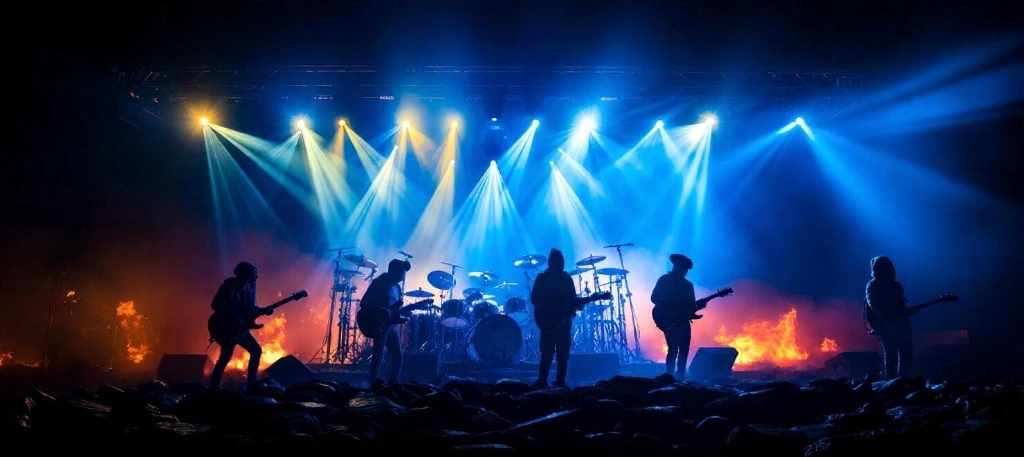
After all the technology, all the data, and all the innovation, what it keeps coming back to is something pretty simple: people want to feel connected. To artists they love. To other people who love the same things. To something larger than their everyday life. Concerts, at their best, have always done that. What's changing now is the scale at which it can happen, the sophistication with which it can be designed, and the depth of relationship that can be built between artists and the communities around them.
The future of live events belongs to those who understand this, who see fan engagement technology not as the point, but as the means. Who approach experiential live events with genuine care for the human beings showing up. Who recognize that the live music experiences audiences are craving are really, at their core, about meaning. The artist-fan connection that concert culture enables is one of the most powerful forces in entertainment. As the tools for nurturing that connection keep evolving, the organizations and artists who use them thoughtfully, with creativity, integrity, and real respect for their audiences, will be the ones that define what live music looks and feels like for the next generation
Oh Yes Events is proud to be part of that story