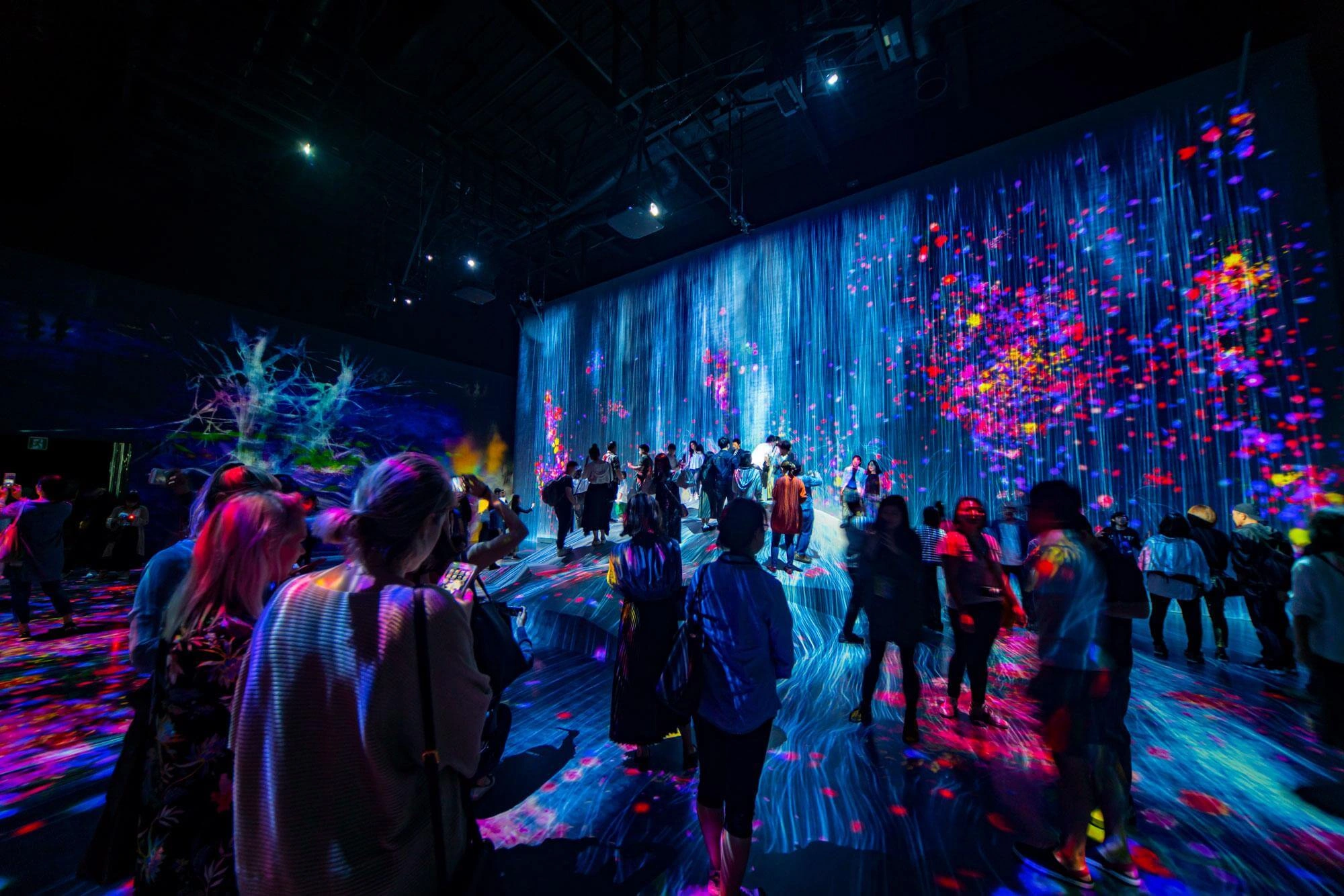
There have been a number of significant cultural and creative evolutions within the world of entertainment in the last decade. By 2026, there will be no need to impress an audience by organizing large events without any emotional background. Instead, there will be an increased emphasis on organizing personalized and emotionally captivating events based on heritage and identity. It seems to be a new era for the world of the immersive entertainment industry.
In the domains of luxury hospitality, live entertainment, destination weddings, brand activations, and curated events, the trends of experiential entertainment in 2026 make a strong emphasis on stepping beyond the traditional way of organizing various events. Today's audience is looking for meaningful and unforgettable experiences. This growing shift has accelerated demand for culturally immersive experiences, localized entertainment formats, and storytelling-led event design that blend regional authenticity with contemporary global aesthetics.
Luxury itself is not spared from this redefinition, too, as today's consumers redefine what luxury means to them through their needs for immersive event experiences, authentic cultural experiences, and emotionally immersive entertainment. Today, audiences are getting more connected and engaged because of experiences that reflect local identity, traditions, and emotional storytelling. Whether in the form of heritage-infused event experience and hospitality or sensory or highly interactive entertainment, audiences today prefer to immerse and participate in the experience rather than observe from a distance.
Here comes the emergence of emotionally intelligent and culturally intelligent entertainment experiences where brands like Oh Yes Events, which is known to be the best experiential event planner in Chennai, thrive in the future landscape of experiential luxury events by bringing about an immersive celebration defined by story and emotional memory creation. The bottom line is that the future of entertainment is becoming more human, sensory, emotionally intelligent, and culturally intelligent.
The era of mass-market and one-size-fits-all entertainment solutions will soon be behind us, as client preferences continue evolving. Among other rapidly developing trends within the experience economy, the current audience is no longer interested in entertaining formats, which give only an illusion of luxury or impressiveness. Instead, consumers are demanding unique, identity-driven and meaningful experiences that are deeply connected with culture and people.
Modern audiences are gradually getting more detached from rigid structures of standard entertainment events and production. With the development of experience-oriented consumption and the declining ability to focus on entertainment formats that deliver no emotion, people will continue to choose intentionally crafted and emotionally appealing celebrations and events.
Hyperlocality is gradually turning into one of the key trends in event management, as modern audiences demand more emotionally immersive entertainment and celebration. Thus, there will be an increasing need to create events based on local culture, traditions, local gastronomy, and art. At the same time, regionally focused experiences will gain international recognition and significance.
The shift resulted in the increased significance of hyperlocal storytelling at events when local culture, traditions, culinary, art, and narrative stories were incorporated into the experience itself. At the same time, regional storytelling experiences are acquiring a new dimension of global significance as they provide more engaging and participatory experiences.
In consequence, brands, event designers, and hospitality businesses are shifting their focus towards the creation of experiential storytelling that is not commercially driven but emotionally truthful to establish a deeper connection and engagement with an audience.
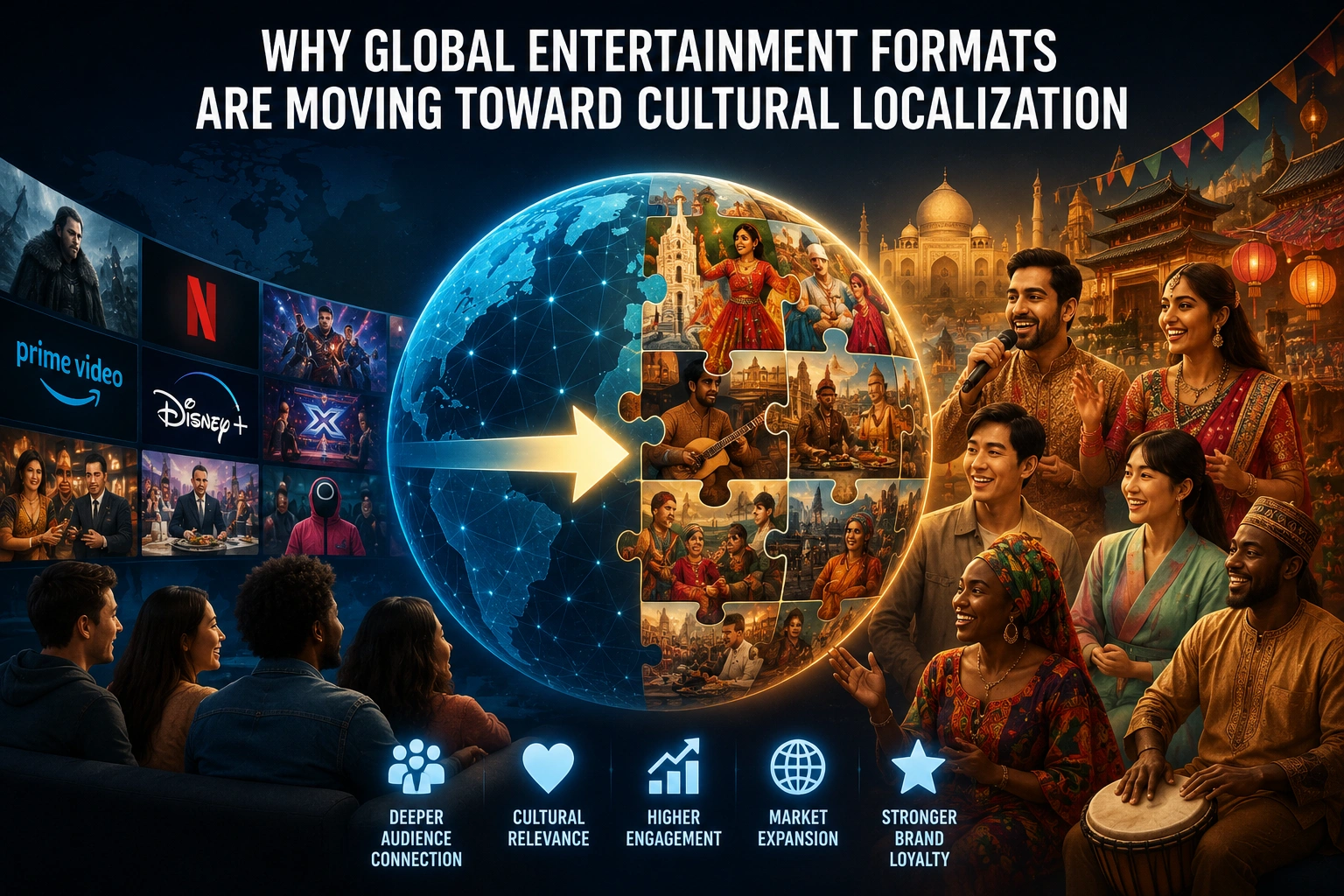

With the changing needs of the audience, emotional experiences are much more important compared to visual ones. Modern people do not find it interesting to participate in something visually impressive but rather want to see some depth and emotion in what they experience during an event or a celebration. This change explains the increasing need for stories within events, where the purpose of an event is to generate emotional connections instead of creating visually stunning content. Modern customers are looking for those environments that can ensure their immersion into the process and allow them to establish an emotional connection.
On top of that, the rising importance of emotions in event design explains the growing popularity of emotionally intelligent event design across various industries, including hospitality, luxury weddings, and experiential entertainment. In order to satisfy the needs of modern audiences, it is crucial to provide them with unforgettable stories and a unique emotional journey. In addition to that, the rising trend of emotionally based experiences is evident in story-based celebrations, memory-based events, and story-based event design.
Remarkably, in the wake of globalization, which brings the world's audiences together, cultural identity and authenticity are also gaining greater prominence. As modern-day travelers and consumers are getting exposed more than ever before to international travel and experiences, the trend of their increasing affinity towards local roots is developing at the same time.
The change has brought about a significant rise in the value of regional culture for events and local culture for entertainment in sectors such as luxury hospitality, destination events, and live shows. Contemporary audiences look for experiences that have an emotional appeal and cultural authenticity rather than those that lack depth and seem too standard.
It follows that there will be a higher interest in folk-based entertainment experiences and indigenous storytelling experiences featuring the local artistry, music, rituals, crafts, and cultural heritage in contemporary forms. Through culinary practices, architecture, performances, and ceremonies alike, cultural authenticity in events will become a crucial component of premium entertainment experiences.
The future of immersive storytelling experiences will depend on emotions and human connection rather than technologies. Thus, in 2026, it became clear for event creators that immersive experiences do not include overstimulation of senses with technologies but consist of experiences including emotions and cultures in addition to engaging people with senses.
When the requirements of audience change, entertainment programs begin to be more deliberate, emotional, and experience-based. Hence, multisensory storytelling becomes one of the most potent tools of creating events. The combination of the five senses with emotions creates powerful stories and helps event creators involve their audience deeper into experiences and create emotional memories.
Moreover, the concept of sensory hospitality experiences starts to dominate the idea of luxuriousness since the emphasis is now made on the way guests feel inside the spaces and not how spaces look. Simultaneously, there is an acceleration of worldbuilding in events, which means that all elements of events work together to provide an immersion of the audience into the ecosystem created by creators.
This is because the local culture automatically contributes to the experience in terms of emotional familiarity, symbolic significance, sense of place and multi-layered storytelling. Rituals, musical performances, cuisine, building design, and cultural symbols contribute to an experience that becomes emotionally richer and much more memorable.
Beyond aesthetic appearance and visual performance, local tradition creates an emotional bond that will linger long after the event ends. In today's entertainment and hospitality, emotional value is gaining more ground as compared to the sole visual performance. By creating rituals, tales, music, craftwork, and performances, storytelling in culture through events ensures the transformation of experience into an emotionally immersed experience. Unlike merely being a passive audience, participants are engaged in the story to be part of the experience. Audience participation makes them more emotionallyconnected to what they experience in the event.
For this reason, luxury parties, entertainments, and events are gradually shifting their focus from production value to a story of engagement with emotions. Event producers are emphasizing stories, emotional engagement, and human interaction for emotional value creation. The trend has also contributed greatly towards making participation-led entertainment and immersive audience engagement increasingly popular. Unlike passive audiences who watch performances at a distance, today's audiences interact and get engaged in culturally created activities and experiences.
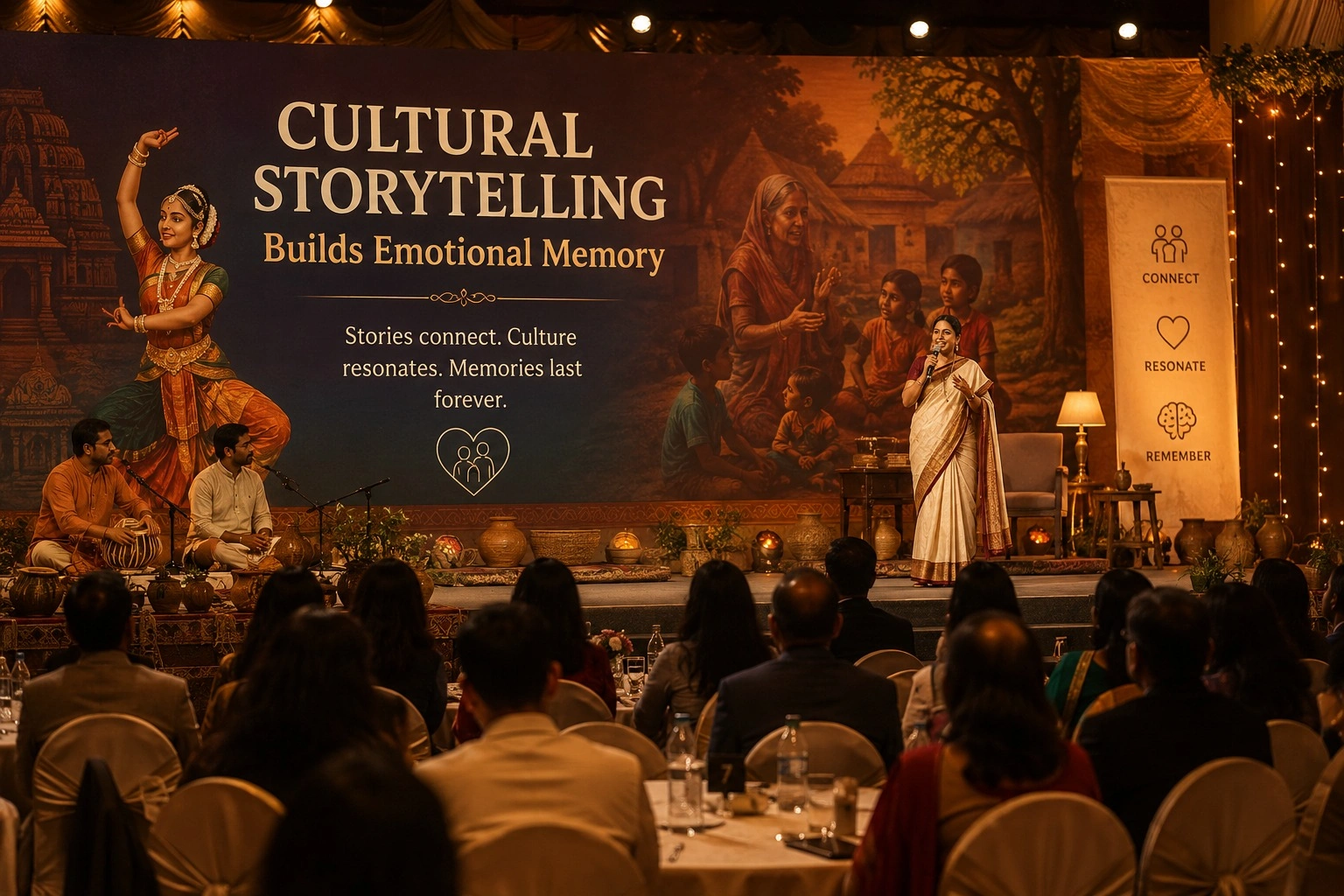
Most of the sensory event experiences created for events that have become the most impactful and memorable are also the ones that feel strongly tied to their geographical and cultural context. Modern consumers tend to gravitate towards environments that represent local culture and emotion rather than just luxury and elegance, as the latter feels too impersonal nowadays.
Factors like local food, folk music, local artists' artwork, handmade decorations, and soundscapes inspired by the surrounding nature can make cultural event experiences deeper and more engaging. They are also crucial for the development of a good narrative of the destination experience that helps guests connect with the place culturally and emotionally
In the era when consumer needs grow increasingly complex, contextual event design and regional aesthetics as a part of events have become important aspects of modern luxurious celebrations, destination weddings, and hospitality experiences. At the same time, the trend towards immersive experiences in the hospitality industry is gaining popularity, with consumers looking forward to more meaningful experiences involving emotions and personalization.
A significant creative paradigm shift has been identified in the modern-day entertainment world, with audiences' tastes moving away from standardized, universally applicable stories and towards stories that make them feel emotionally connected and culturally related, despite maintaining high levels of world-class production and sophistication. By 2026, the tastes of audiences require them to be able to have an experience that makes them emotionally connected to the place, heritage, and environment, despite maintaining world-class quality in terms of production and sophistication.
In this case, the trend encourages hospitality creators and organizers of live entertainment as well as luxury events to focus on developing more meaningful experiences that connect people with the environment by being authentic and emotionally engaging at the same time. Experiences that manage to integrate the regional element together with modernity are gaining higher engagement levels and emotions among audiences.
Nowadays, companies understand that responsible business events have great importance in terms of how they will be perceived from an outside perspective. This is why modern summits tend to be more environmentally and ethically oriented.
Consequently, it becomes clear that the next generation entertainment formats will be those in which culture is not just used as an additional decorative factor and theme, but rather it becomes part of the emotional story of the experience in terms of cultural narrative, tradition, ritual, arts and stories of community members.
The trend is also reshaping the way brands and events think about immersive experiences. Audiences do not want an experience just because it looks cool; they want an experience that makes sense to the place it's taking place, is emotionally intelligent and culturally relevant, and is not visually stunning but emotionally connected.
The way destination celebrations and events happen today is gradually evolving from venue-centered celebratory experiences towards more immersive cultural journeys. Current luxury tourists and celebration crowds are going beyond mere visual luxury and demanding a sense of emotional relevance and culturally immersive experience linked to their unique identities.
Such needs are becoming more relevant for the development of luxury destination events where storytelling, cultural heritage, and immersive experience become crucial components of the event atmosphere. Immersive elements are also becoming prominent for the design of luxury weddings and other celebration experiences, especially in the Indian subcontinent and other cultures globally.
Traditions of regional hospitality, local artistry, handmade decorations, native folk music, and storytelling become increasingly relevant for the production of modern celebratory events in order to establish deeper emotional bonds with the target audiences. Therefore, cultural immersion in hospitality becomes an increasingly important factor for the success of premium travel hospitality experiences and luxury celebrations. People today want celebratory experiences that resonate at the emotional level, contain a lot of cultural meaning, and evoke unique feelings and sensations in contrast to generic luxury experiences.
However, modern entertainment experiences have become increasingly personal, emotion-driven, and culture-responsive. Modern audiences are less inclined towards engaging themselves with any entertainment experience that does not resonate with their emotional or cultural surroundings. Therefore, the trend has brought a new era where event producers design entertainment experiences that are consistent with audience psychology, the storytelling process, and the regional identity of the audience, instead of offering entertainment as a separate formality.
Additionally, an increased inclination towards the creation of emotion-based entertainment and a high preference for participation have fueled the growth of region-specific entertainment concepts, interactive entertainment forms, and immersive social entertainment experiences. At the same time, the rise of audience-oriented experiences and entertainment environments has led to a dramatic change in the approach towards entertainment audience engagement strategies. The modern entertainment audience desires to be part of the narrative, rather than just watch what is going on.
Rise of Generation Z event preferences and expansion of the experience economy among Millennials will be one of the main influences on the evolution of the events industry in 2026. The notion of value in the context of live entertainment will be redefined by a new generation, shifting towards the values beyond conventional luxury elements towards more authentic storytelling, interactive participation, and emotionally immersive experience.
Generation Z and Millennials have different priorities compared to previous generations. Unlike others, they do not necessarily look for luxury or extravagance when selecting certain experiences to attend. Instead, they care about meaningful experiences related to their identity and emotional state. They are interested in experiencing something personally valuable that can connect them to the community or make them feel part of something bigger.
The influence of these consumer trends on the evolution of premium experiential events will be seen in the shift from mass scale towards a more personalized, engaging, and emotional approach to event organization. The current trends are changing the nature of brand communication strategies, event planning approaches, hospitality services, and entertainment production methods. It follows that modern live event experiences have become increasingly audience-centered, sensorially rich, and interactive. Those live experiences, which integrate well the elements of emotional storytelling, authenticity, and cultural richness, have been able to produce high levels of engagement and build loyalty among today’s experience-oriented audiences.
Luxury is not simply about being lavish, impressive, or visually impactful in nature. By 2026, people will be looking for experiences that have emotional significance, are curated well, and create deep engagement from an immersive point of view. Thus, emotion, authenticity, and story are redefining what luxury looks like in the modern context.
In their natural tendency, people find themselves being more interested in events and experiences that focus on emotions rather than just opulent appearance. The increasing popularity of contextual luxury is affecting the manner in which premium events are created, as emotional and cultural significance is gaining more importance. Meanwhile, the idea of intentional event design becomes more prominent in luxury hospitality and entertainment in general.
Consequently, there was a dramatic increase in demands for bespoke immersive events, luxury experiential production, and premium experiences based on stories. With the rising role of social media, the concept of luxury events continues evolving further in order to meet consumers' needs for social media-worthy experiences. Emotional significance and personal engagement provide much better connections with the audience than visual appeal alone.
Today’s generation of audiences tends to prefer interactive and immersive entertainment as well as participatory experiences rather than passive forms of entertainment that are not very involving. Today’s consumer does not only want to be present at the events but also wants to participate actively.
As a consequence, there was a rapid development of new immersive guest experiences where interaction and storytelling became the key aspects of engaging guests. Another trend, connected to the increase in the popularity of participation-first audiences, is the development of community-driven entertainments. This tendency indicates that today’s consumers tend to collaborate and participate together and are more interested in community.
It becomes natural for modern participants to focus their attention on entertaining experiences that are based on identification, cultural practices, collaborative performance, and audience interaction. The change in consumer preferences also influences other consumption areas that also tend to be increasingly emotionally oriented rather than focusing on tangible goods. Therefore, it is natural that the future of entertainment industry will be based on immersive ecosystems where storytelling, emotions, interaction and participation will be prioritized
Technologies are becoming increasingly important factors in shaping immersive brand experiences and live entertainment of the future. At the same time, it needs to be noted that some of the most successful experiences in 2026 will not be defined only by technologies. Rather, they will be shaped by emotions, culture, and human connections. Digital spectaculars alone are no longer capable of impressing today's audience; what the latter is really looking for is the immersive experience through which technologies will enhance immersion while supporting an ecosystem of stories.
Thus, the use of interactive event technologies of the entertainment and hospitality industry is shifting towards a new trend. The best experiences that are able to engage people nowadays will be the ones when innovation helps to achieve emotional immersion. For example, projection mapping experiences, spatial sound storytelling, AR experiences in events, and immersive media experiences have already become more common as tools used in environments for storytelling and emotional involvement.
Today’s business gatherings are increasingly centered around technology-integrated events, curated networking ecosystems, innovation-led production, and thoughtfully designed experiential architecture that enhances participation and audience retention. Moreover, business owners are looking for environments that promote collaboration, leadership presence, ecosystem creation, and brand positioning in the market environment.
These innovations can add much value if applied to enhance the emotional component of event marketing by fostering a greater emotional connection between people and the experiences through their use. In contrast to being mere showpieces, technology is much more potent if combined with cultural stories, regional storytelling, and interactive participation of the crowd.
At the same time, the emergence of immersive technologies influences consumers' expectations regarding personalized and accessible experiences, which include AI-assisted personalization of events according to audience identity, behavior, and emotions.
This development defines the future of digital storytelling in the entertainment field, where physical and virtual space blend to create an emotionally engaging and participatory environment. As a result, the emergence of modern technology experiential trends should not be seen as the replacement of culture and people but rather as a means of making storytelling and culture available to a global audience.
In light of ongoing changes in the industry, it would be safe to assume that a global sense of sophistication that can still relate on an emotional level will soon become one of the distinguishing features of luxury entertainment experiences. By 2026, consumers tend to favor experiences that are highly immersive, emotionally intelligent, and identity-related and, therefore, story-driven. As a result, culturally intelligent event design becomes an important component of luxury celebrations, immersive hospitality, and experiential entertainment experiences.
When it comes to the approach employed by Oh Yes Events to create events as an experiential hospitality company in India, the emphasis is not on visual aspects alone. Instead, the company emphasizes emotional worldbuilding, immersion, storytelling, and participation, all of which demonstrate how the company approaches the development of its event strategy and event production in terms of experiential design.
It is clearly evident that this approach mirrors the increasing importance of experiential luxury event trends in India, as the audience today is looking for events characterized by authenticity, sensory stimulation, and emotions. By combining storytelling ecosystems, participation, and emotionally immersive entertainment, Oh Yes Events makes sure to secure its spot as culturally immersive event planners in India by creating experiences that are both globally sophisticated and emotionally intimate and culturally relevant. Luxury experiential event strategy and event production developed by the company involve regional aesthetics, contextual storytelling, personalized experience journeys for the guests, and cultural immersion.
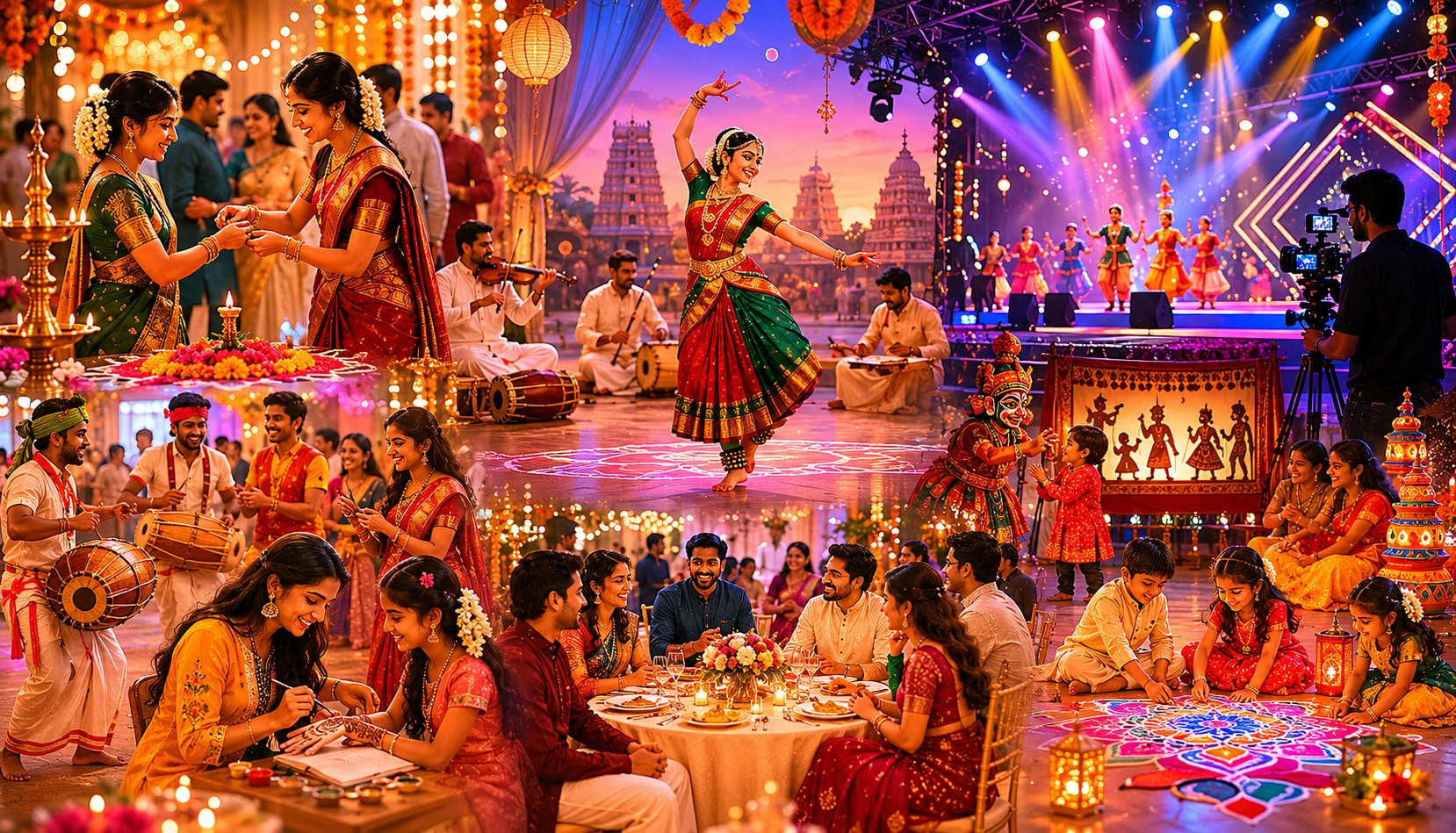
The entertainment industry finds itself at a turning point where human emotions, cultural authenticity, and storytelling have begun to outweigh the importance of scale. The future of live entertainment trends in 2026 does not lie in scalable solutions but in those experiences that feel emotionally intelligent, contextually driven, and culturally rooted. From local culture in contemporary festivals to regional economic models based on creativity, it becomes obvious that audiences today want those experiences that help them create and express their identity through emotional involvement and participation. In doing so, the future of live entertainment is redefined in terms of storytelling, sensory immersion, and cultural intelligence.
Future trends in experiential entertainment, the future of culturally immersive entertainment, and culturally rooted experiences prove the fact that modern consumers do not need merely engaging entertainment. What they expect instead is something that lets them dive into a world where they can feel connected to people and places. With innovation being only a part of what makes the most memorable experiences, those moments when one feels deeply involved become the key factor for success. Thus, future trends in experiential entertainment include interactive entertainment experiences, immersive luxury celebrations, and narrative environments.
Brands such as Oh Yes Events are ahead of their time because they use emotionally intelligent storytelling and sensory hospitality approaches to engage with modern audiences in new ways. The future is all about experiences that not only capture audiences' attention visually but also evoke a deep emotion from them.