Weddings have always been about love, but for most of history, they were also a spectacle. The larger the venue, the more extravagant the decor, and the better that side of things looked from outside. And somewhere along the line, what was supposed to be a celebration became less about the couple themselves than about creating something for an audience.
That's changing now. Quietly, impactfully, and in a manner that seems less like a fad and more like a renewal. Couples today are waiting before scheduling anything. They’re having different conversations, not just about color palettes and caterers but also about identity, memory, and what they really want their wedding to say about them. They’re going back to their roots. To the rites their grandparents honored. To the food that shaped their childhoods. To the customs that helped make them who they were.
That evolution has propelled cultural authenticity in weddings to the forefront of modern celebration design, and it is doing more than just changing what weddings look like. It's changing what they mean.
For years, how a “dream wedding” was supposed to come together went something like this: the more expansive the venue, the more extravagant the florals, and the longer the guest list, the better. Pretty much the only metric for luxury wedding experiences was scale.
But if you speak to couples planning weddings now, particularly those looking to 2025 and beyond, into 2026, that equation simply doesn’t hit the same note as before. They're not unimpressed by grandeur. They just want more. They were looking for a wedding that felt like them.
This is truly the essence of what’s leading modern wedding trends in 2026. Nevertheless, couples aren’t walking into planning meetings with a stack of Pinterest boards requesting to reproduce what they saw online. They're walking in with stories. Storytelling in weddings can be very much about stories of narrating their grandmothers’ recipes, about rituals that their families have maintained for generations, and about the music they played at every celebration they can remember as children growing up. And they want all of that in the room.
Where wedding storytelling was once a nice-to-have, it’s become the whole point. Rather than a beautifully designed event that might belong to anyone, couples and their planners are creating celebrations that could only ever belong to them. That specificity, that rootedness, is the reason guests cry. It’s what people remember years down the road. It’s the detail your cousin mentions every time the family gathers. Culturally inspired weddings are not only visually more striking. They're emotionally richer. And that difference? Couples feel it deeply.

This is where it gets super interesting from an industry perspective. The very definition of luxury is changing.
If you spent big on a wedding a few years ago, the assumption was that money was spent on visible items such as elaborate installations, imported flowers, and a celebrity chef. All of that continues to exist, naturally. But the couples who are most wisely investing in their celebrations right now? They're measuring value differently.
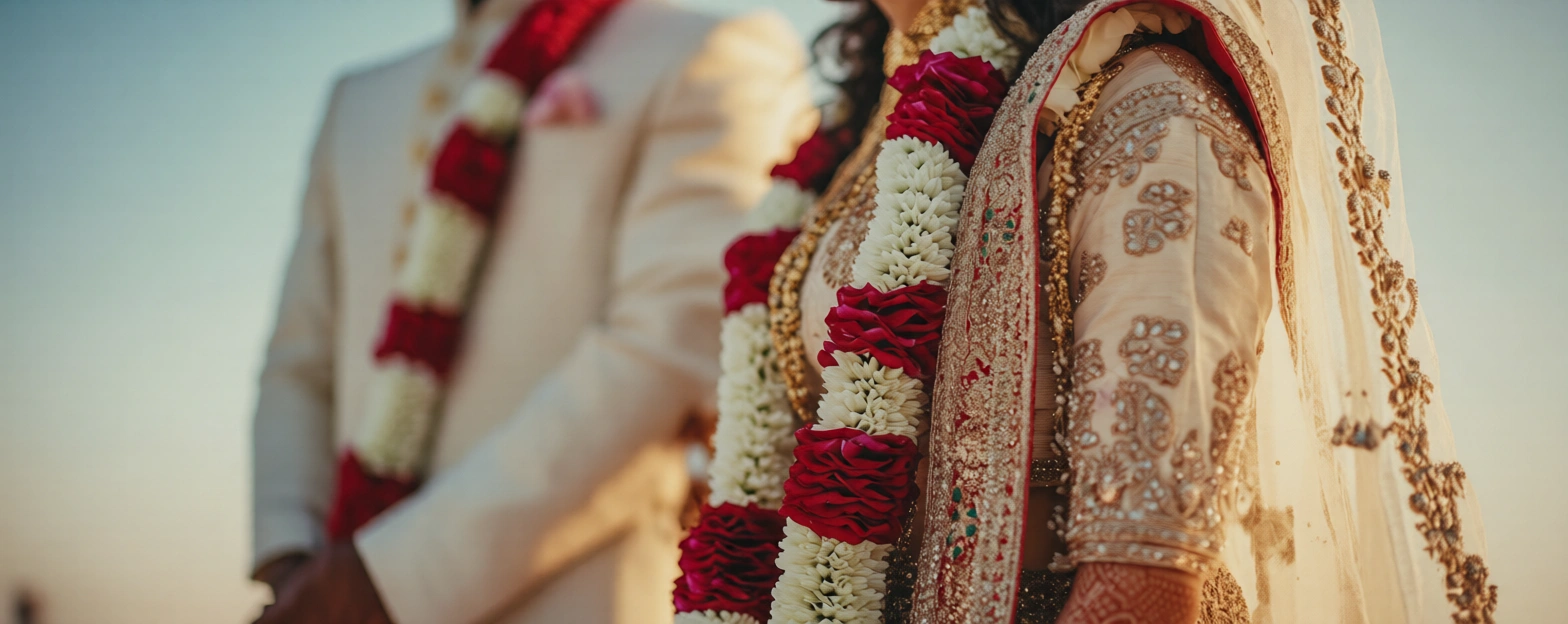
For them, luxury wedding experiences are not about extravagance. They're about intention. It’s the heirloom textile woven into the mandap. It’s the family recipe remade by one of those chefs who sat down with your mother to make sure he got it right. It’s a ceremony that recognizes where you’re from before it celebrates where you’re headed.
This redefinition has changed the expectations of what planners are to offer. Luxury wedding planners no longer simply act as vendors who curate and source beautiful things; they are now collaborators, listening deeply to and researching clients’ stories, translating them into visual and sensory experiences. The bar is higher, and quite frankly, the work is better for it.
Studios such as Oh Yes Events have constructed their entire ethos around precisely this. As a bespoke wedding design studio specialized in experiential wedding design, their process doesn’t begin with a mood board; it begins with a conversation about family, about heritage, and about why this couple wants what they want their guests to feel.
A beautiful movement in wedding design right now is the return to heritage-inspired weddings. Couples are turning to their family histories, to architecture, textiles, and regional craftsmanship, and asking: how do we bring this forward?
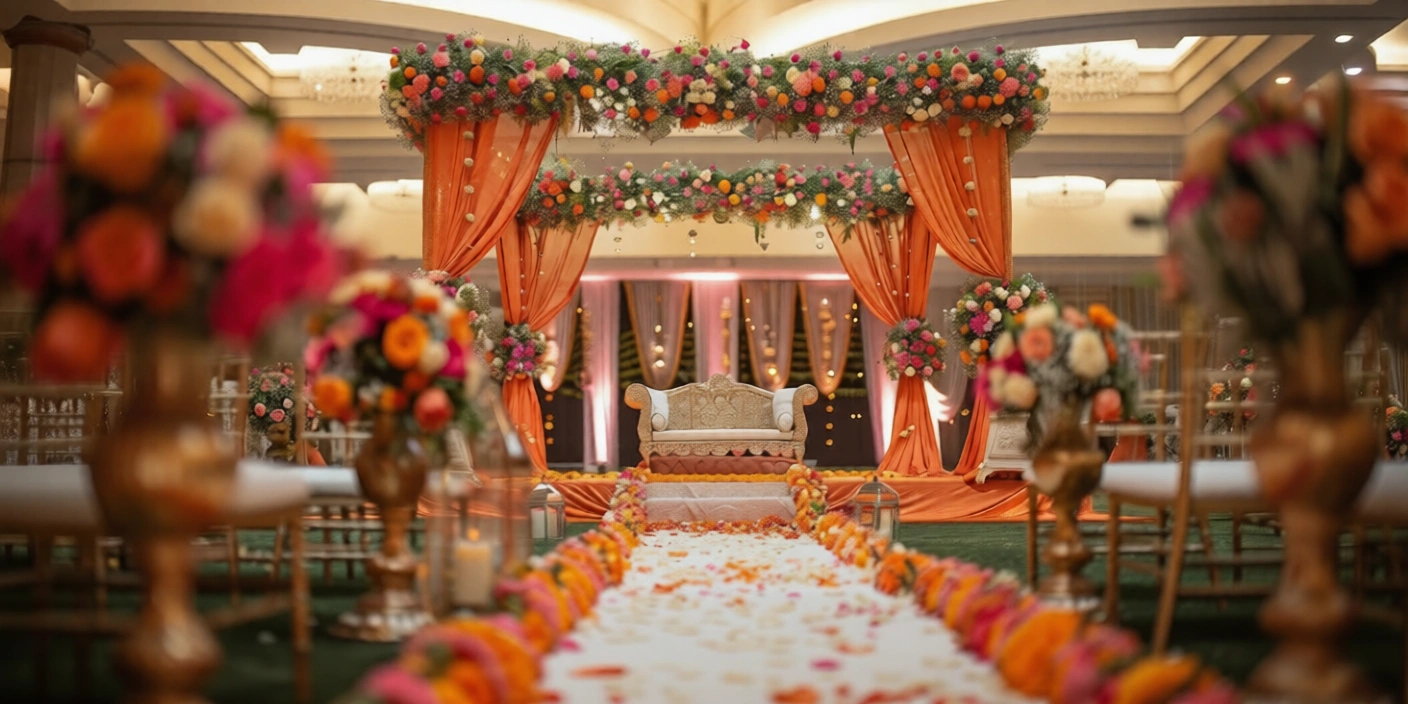
The results are stunning. Mandap structures with heritage wedding design based on temple architecture. Decades-old, hand-embroidered fabric repurposed as both altar draping and bridal accessories. Maintenance-free installations created by locals with hereditary methods.
This isn’t nostalgia for nostalgia’s sake. It’s about developing a place that feels grounded, a visual dialect that communicates one authentic thing regarding who this couple is and the place they arrive from. Heritage-inspired decor, when done well, makes the wedding venue feel almost hallowed. Traditional motifs in wedding decor, regardless of whether they are woven into fabric, carved into furniture, or painted onto walls, infuse layers of meaning that no trend-driven design could replicate.
The design philosophy that evolves from this is what the industry is increasingly referring to as bespoke wedding styling: fully custom, fully considered, and fully theirs.
And note: Generational traditions in weddings don’t have to look old-fashioned to feel authentic. The most breathtaking cultural wedding designs inspired by heritage blended with modernity that we’re seeing right now are those that incorporate seamlessness, the types of luxury wedding decor ideas we can’t get enough of that strike both a timeless and an utterly new sense.
Here’s a nuance that matters: Authenticity does not equal rigidity.
Most of today’s couples grew up in households that practiced cultural wedding traditions closely. They love those traditions. They want them at their wedding. But they also lead modern lives, have partners from different backgrounds, and want a celebration that encompasses all of who they are, not just one aspect.
So, where are we with traditional wedding rituals in all this?
More often than not, couples find inventive, considerate ways to reimagine them. A ritual that would normally take an hour might be compressed into its most primal, emotionally potent fifteen minutes. A ceremony may incorporate two cultural traditions at the same time, finding where they align. Modern couples and cultural wedding traditions are in dialogue with each other, not in opposition.
This way of approaching it, respecting the essence of a tradition but changing how its practice looks or feels, is some of the most inspiring stuff I see happening in intentional wedding design right now. It requires real skill, and it requires a planner who really knows the cultural context, as well as what matters most to the couple.
The growing trend of culturally rooted celebrations is really an expression of this balance. These weddings are not afraid of ritual. They get into it, but with intention and clarity.
Let’s discuss food, because it deserves a moment unto itself here.
If you’ve recently attended a wedding where the catering had a generic feel, one of those menus that could have been served at any wedding, anywhere, then you already know the missed opportunity. Food is one of the most visceral ways we experience culture. It's sensory. It's memory. It's home.
This is precisely why regional cuisine weddings are booming. Couples are departing from one-size-fits-all menus and partnering with caterers to create heritage wedding menus that have a great story. Regional foods. Family recipes, scaled up and refined. Flavors that people recognize because they grew up with them.
Cultural gastronomy experiences at weddings can be truly poignant. When a grandmother tastes the wedding feast and says, “This is just how we used to make it,” that moment is worth more than any floral arrangements in the world. Traditional wedding feasts, when thoughtfully curated, are sensory memories guests take home long after that evening is over.
This is food as storytelling in weddings. And it’s one of the most underrated benefits of curated wedding experiences.
There’s a singular magic that happens when you blend cultural celebration with travel. When a couple selects a destination for their wedding, they aren’t just choosing a background; they're selecting an environment that will infuse each moment of the event.
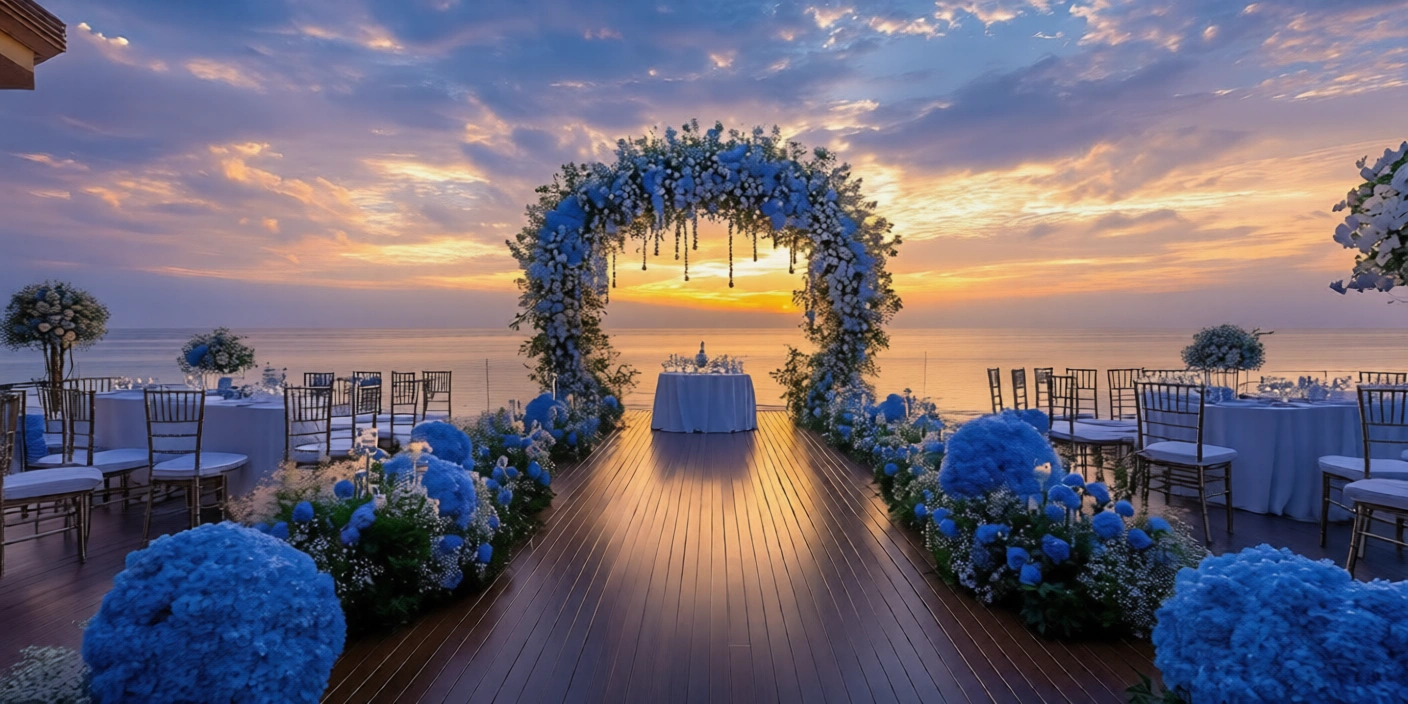
The destination wedding experience is one of the most impactful media for cultural narrative in a destination wedding. A heritage property in Rajasthan. A coastal fort in Goa. A centuries-old palazzo in Italy. These locations aren’t just pretty; they matter. They carry history. They create an atmosphere that no event hall can manufacture.
Culturally immersive destination weddings go even further, curating every aspect of the celebration from food to entertainment with an eye toward immersing guests in both the couple’s heritage and the spirit of the place. When the dream destination and the culture align, it’s a knockout.
But destination weddings are also logistically complicated, and accomplishing them right takes experience and serious attention to detail. That is where luxury destination wedding planning comes into the picture. Every logistical thread—transportation, accommodation, vendor coordination, and local permits—has to swim invisibly behind the curtain so guests simply catch the sparkle without feeling a hint of the machinery.
Indeed, this type of work is exactly what some of the top wedding planners in the destination wedding planning industry, Oh Yes Events, do. For them, cultural storytelling at destination weddings means doing in-depth research on both the couple’s heritage and where they choose to go, identifying intersections, resonances, and considerations that help make a destination feel chosen over blue water and white sand.
If you’ve attended a wedding that came and went in a few hours, you feel it already: Everything moved so quickly. There was little time to engage with family, to properly absorb the rituals, to appreciate the food, or to speak with the couple.
Multi-day wedding celebrations have emerged as the solution and are on the upswing for good reason. Something else happens when a celebration spans two, three, or even four days. Guests get comfortable. Relationships grow and strengthen. There's room to breathe.
This framework is especially effective for destination wedding guest experiences. Guests have flown in, sometimes from all over the world, to attend. A multi-day format enables planners to create authentic, immersive wedding experiences that provide guests with a real insight into the couple’s culture, the surrounding region, and the complete ambiance of the celebration.
A welcome dinner that highlights regional cuisine and sets the mood. A cultural excursion that transports guests to a site of historical importance. A traditional music or dance performance before the ceremony. A farewell brunch that leaves everyone going home as if they had actually been part of it all.
It's these layered itineraries that turn great destination wedding guest experiences into nothing more than going to a nice event somewhere far away. The scheming that creates them is complex, but when it works, guests rave about it for years.
There’s a dimension of cultural authenticity that isn’t always widely discussed: responsibility.
As couples embrace celebrations rooted in their culture that tap into regional traditions, they are also deciding where their dollars will be spent and whose work will be celebrated. More and more couples are opting to spend their wedding budgets within their own communities, hiring local artisans, sourcing regional materials, and engaging vendors who belong to the cultural ecosystem they’re honoring.
Booking weddings for local artisans is an ethical and aesthetic choice. You’re not just getting something beautiful; you're getting something with a story when you commission handmade decor from a craftsperson who has spent years honing their skill. Wedding décor sourced locally has a texture and an authenticity that the mass-produced stuff simply can't give.
Sustainable luxury weddings and eco-conscious wedding design also come into play for many couples. Opting for seasonal flowers, creating reusable installations, and minimizing waste whenever possible, these choices reflect values, and increasingly, they are part of what couples want their wedding to say about them. In this sense, sustainability is no restriction at all. It is an offering of care for the environment, for the community, and for the culture it uplifts.
The changing expectations of culturally authentic celebrations spawned a new kind of planner. These are not just party planners; they’re also researchers, storytellers, cultural translators, and experience designers.
Oh Yes Events, as experiential wedding planners in Chennai, are masters of this philosophy, and their practice revolves around it. There’s a period of deep listening with each project, learning the couple’s family history, their relationship to their culture, the rituals that matter most to them, and what aesthetic language resonates true to who they are.
And from there starts the work of experiential wedding design. Mood boards are replaced by concept narratives. Vendor shortages are just as much about cultural fit as aesthetics. Every detail, from the entrance installation to table linens to the playlist, is thought through as it relates to a larger story being told.
In this sense, their approach to heritage-inspired luxury wedding ideas is unique. Instead of sprinkling heritage details like decorative dust, the team knits them into the structural DNA of the event. The result is a celebration in which culture isn’t something you put on top; it’s incorporated throughout.
This is what modern luxury wedding planning views best: technically impeccable, emotionally poignant, and intimately personal.
We know exactly where the industry is going. When it comes to experiential wedding trends for 2026 highlights, we’re looking at even more personalization, deeper cultural experiences, and a growing focus on guest experience weddings, celebrations meant not just for the couple but for everyone in attendance.
Look for more weddings that include interactive cultural elements, live craft demonstrations, participatory rituals, and storytelling installations that guests can engage with. Look out for experiential wedding designs that leverage scent, sound, and taste as well as visuals for a thoroughly immersive event. Look for that digital storytelling, custom films, family archives, and projected narratives to provide guests context and connection.
The future of wedding celebrations is one where every choice, from the invitation to the final dance, is considered. Where intentional wedding design is not a luxury but an expectation. Where planners are seen as more than just organizers and checklists but are valued for their ideas, their knowledge of culture and backgrounds, and their talent to take a couple’s story and turn it into something magnificent.
Wedding industry trends keep evolving, underlining what couples have already known instinctively: The most memorable weddings aren’t necessarily the ones that look the shiniest on social media. Those are the ones where guests leave feeling they witnessed something real.
If you’re in the throes of planning a wedding of your own, and you’re nodding along with all of this, here’s what matters most:
Find your stories before you find the aesthetics. Speak to your parents and to your grandparents. You could inquire about which rituals were most meaningful for them. Pull out old photographs. Reflect on what has brought your family together for generations and consider what you want to continue, and what you may want to reinvent.
Find a planner who genuinely listens. Why cultural authenticity matters in weddings is a question your planning team should be able to answer with specificity and care, not just in theory, but in terms of the actual choices they'll make on your behalf.
Trust the process of how to plan culturally authentic weddings to be slower and more personal than trend-driven planning. It will be. And it will be worth it.
The modern wedding has matured. It's lost much of its need for outside affirmation and has discovered something more interesting in its place: a drive to mean something, to honor something, to say something true. Cultural authenticity in weddings is not a niche issue for a certain type of couple. It’s a common impulse toward celebration that, to me, feels real. It manifests in different ways for each couple, via food, via ritual, via design, via where and how they choose to group, but the underlying desire is universal. We want our biggest moments to represent who we really are.
Wedding creative studios such as Oh Yes Events, known for their culturally informed ceremonies and decades of experiential luxury weddings, are doing something truly meaningful in this domain. They're showing, celebration by celebration, that the most sophisticated a wedding can be is itself. The biggest weddings were once the grandest weddings. The most extravagant weddings now are the ones that matter most. That change, quiet, personal, and utterly irreversible, is the most thrilling thing taking place in this industry today