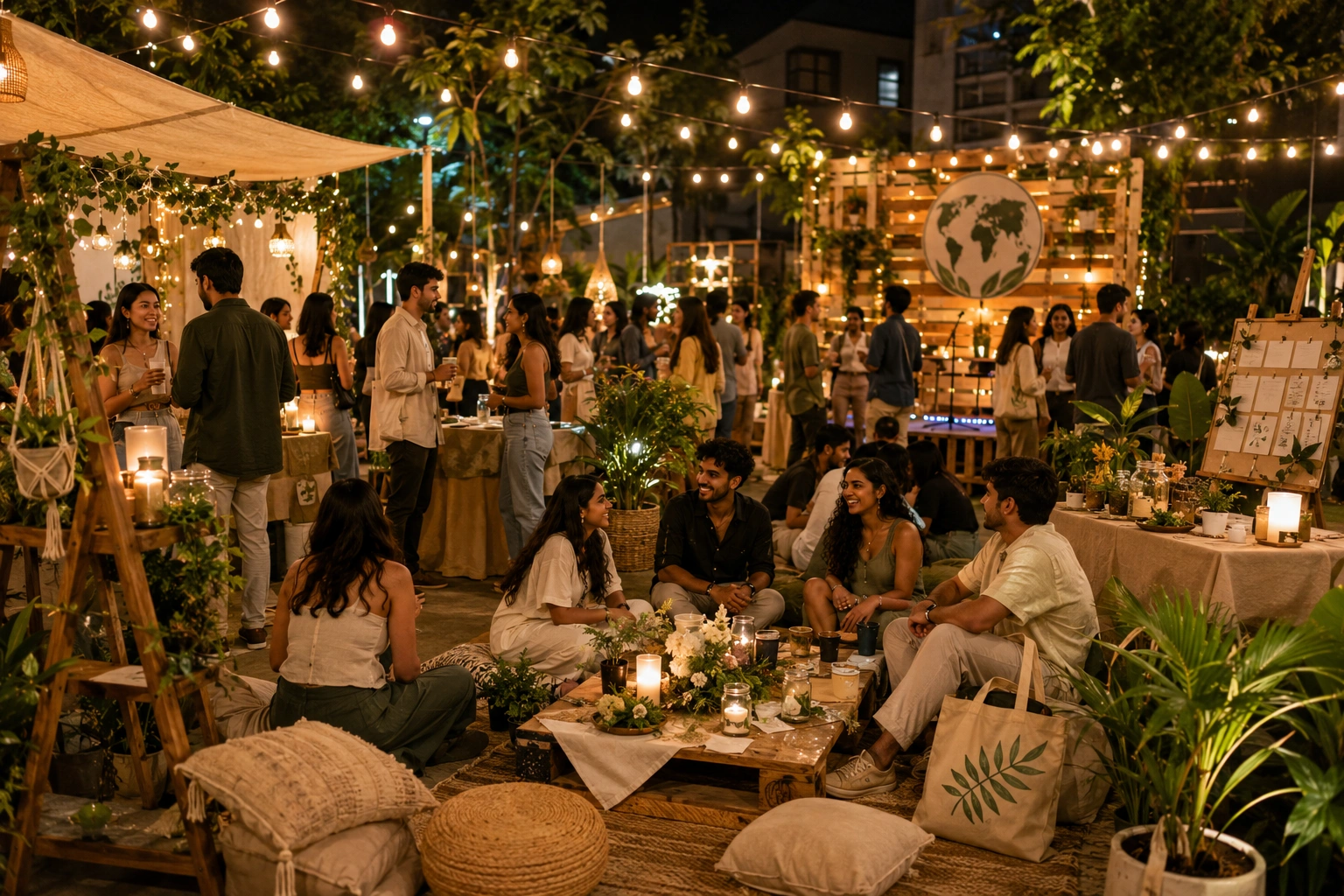
One of the most defining changes that are taking place within the global celebrations sector has been brought about by the changing lifestyles and expectations of audiences. In 2026, celebrations will no longer revolve around impressive visuals, productions, and social media presence alone. Rather, the shifting trends and experiences of Generation Z consumers and mature millennials have resulted in celebrations that are emotionally fulfilling, socially responsible, and personalized to the core. This shift has seen luxury be defined in terms of emotions, intentions, and human interactions.
This change has been instrumental in driving the growing desire for conscious luxury weddings, premium celebration experiences, and purpose-led celebrations, among other trends. The younger generations have been increasingly shifting their interest away from conventional celebrations and opting for celebrations that capture their essence and identity. This change in consumer behavior has seen a growing demand for luxury wedding experiences, luxury destination celebrations and emotion-driven celebrations.
On the other hand, modern audiences are beginning to favor curated guest experiences and community-driven experiences where participation and emotionality matter as well as the immersiveness of the storytelling. Event design will be focused on creating not only impressive visual images but also emotional involvement of guests in the general process. That is why trends such as immersive event design, experiential hospitality, and personal guest journey experiences will continue dominating the luxury events scene.
In addition to personalization related to emotions and human experiences, another significant influence on future celebrations can be associated with growing environmental consciousness among consumers and new trends associated with conscious consumer behavior. The growing interest in sustainability, eco-conscious celebrations, and sustainable event design is one of the most obvious manifestations of that phenomenon. Clients become much more careful about the ways events are planned, designed, sourced, and experienced today.
All of these factors lead to the development of a whole new event design concept where technology, wellness, sustainability, and personalization are combined in a single entity—a celebration. In that respect, event studio and hospitality experts like Oh Yes Events contribute greatly to the development of the new generation of celebrations combining emotional depth and refined luxury. Ultimately, the future of luxury weddings and events belongs to celebrations that feel authentic, emotionally immersive, and genuinely meaningful.
In the past, extravagance, size, and impressive visuals defined luxury. The bigger the guest list, the more decorative features incorporated in events, and the higher the production value of an event production were some of the factors considered when measuring the success of any event production. However, as an experience-first culture continues to develop over time, it has begun to redefine how luxurious events are conceptualized and executed in 2026. The modern-day audiences have shifted their preferences towards intentionally luxurious celebrations that create emotional connections and experiences.
Emotional resonance has emerged as one of the key factors that younger generations, such as Gen Z and millennials, consider when choosing celebrations. Rather than organizing events just to attract attention and become visible to others, young people have developed a greater appreciation for experiences created at an event that make people connect emotionally with one another. From destination weddings to immersive social gatherings, it has become apparent that the primary objective of future-focused event experiences is to provide meaningful and enjoyable social experiences.
On the other hand, the rising significance of human-centric event design and planning has spurred event organizers to revisit the importance of guest participation in contemporary celebrations. The guests no longer wish to just be present at events; rather, they would like to take part in them. This shift has created an increasing need for engaging stories, customized guest service, and emotional journeys that ensure every guest feels part of the greater story of the event.
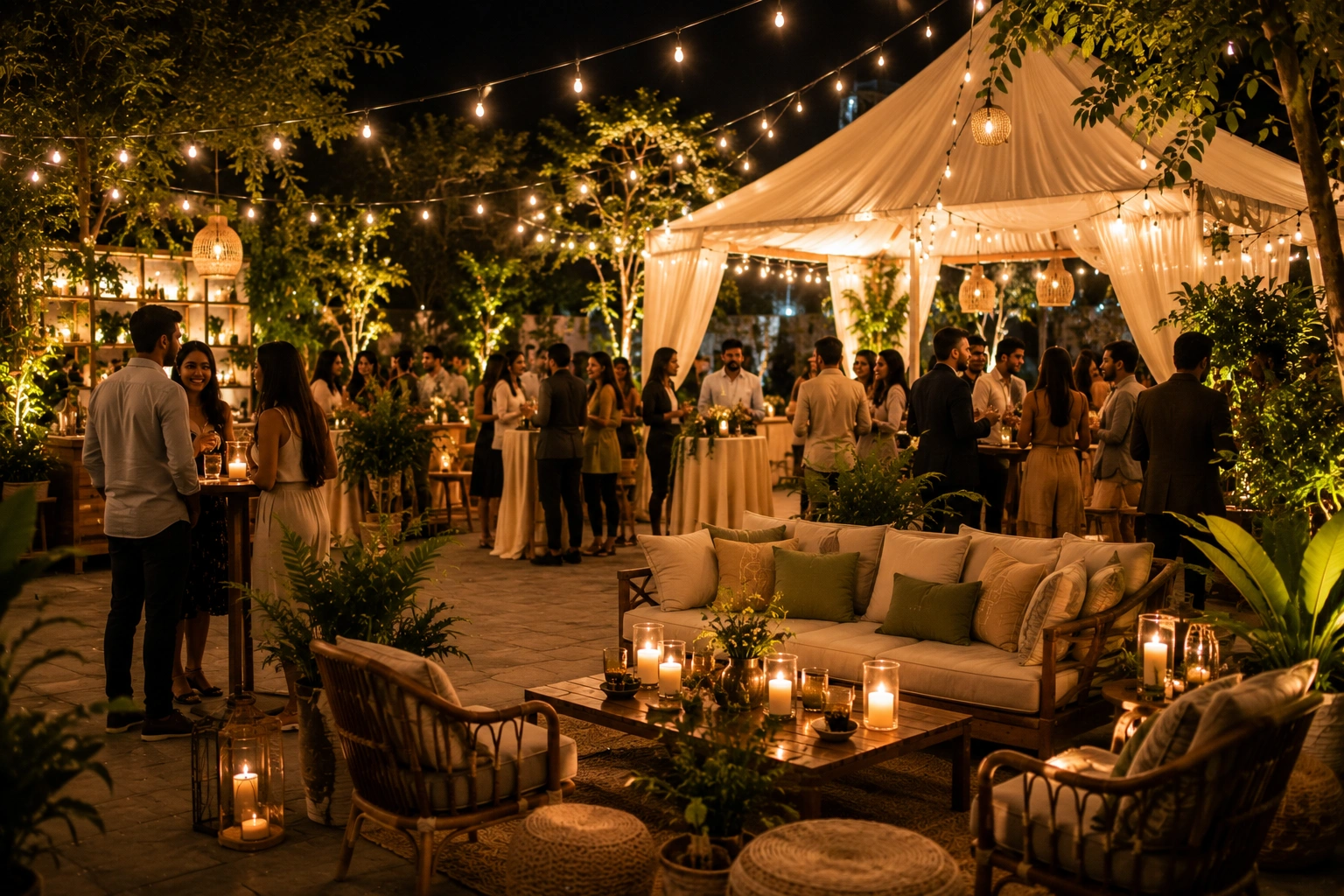

One of the key changes that has been shaping the nature of celebrations in recent times is the trend towards authenticity-driven experiences. There is a growing preference among younger generations to participate in events that focus on authenticity rather than perfection, as well as those that are immersive and emotionally impactful. In 2026, the luxury of an event can no longer be equated simply to its appearance; luxury will be more about emotions and human experience.
Such trends are largely being shaped by increasing digital fatigue and celebration culture. Years of seeing carefully curated aesthetics on social media platforms have made many participants seek natural rather than contrived events. Documentary-style pictures, candid moments, handwriting, and personalized rituals are some aspects that will become even more prominent in the future.
The rise of emotional storytelling through events is inevitable at this point, as well as the growing need for emotionally immersive celebrations. These emotionally immersive event experiences create intimacy and personal connections, which will play a key role in creating events that make an actual difference.
Modern celebration practices have come to involve the transition from passive entertainment to more interactive and emotional experiences. If formerly the guests were invited just to witness certain events, the current audience is keen on becoming an integral part of the whole experience. This trend of involvement has triggered the popularity of participation-led celebration styles within weddings, destination events, and luxury social gatherings.
The interactive guest engagement is seen as one of the defining features of modern celebration events by 2026. It includes interactive eating formats, interactive ritual processes, live art installations, and customized entertainment options. Thus, guest interaction becomes one of the key pillars of modern event management practice.
Moreover, today's audience is particularly attracted to multi-sensory event experiences where the light environment, music, hospitality, stories, and space design merge into a unified emotional atmosphere, giving birth to high-end experiential events. Such trends can be regarded as one of the reasons why luxury experiential events are more effective than traditional types of events. Modern audiences want to engage emotionally in various events and activities.
In only a few decades, sustainability transformed from a niche choice to a force of change affecting all aspects of the global events industry. By 2026, being eco-conscious would stop being considered something extra and become a part of modern event culture. People who organize and attend events today want to celebrate with the help of luxurious but sustainable and consciously created and planned celebrations.
Today, people's growing concern about their planet, the trend towards responsible consumption, and the changing definition of luxury lead to a steady increase in the popularity of sustainable luxury wedding trends in 2026. More and more customers expect events that are not harmful to nature; therefore, they start focusing on production processes and planning strategies. Consequently, there is a rapid rise in green and sustainable approaches to event organizing, logistics, and production.
Finally, the current state of the luxury event organization field means that the target audience is more educated and aware of different aspects of event planning. Thus, discussions about waste reduction, sourcing processes, reusability, and hospitality impact have become more frequent. This increased awareness has caused the sector to take a more proactive approach when considering sustainable events that not only showcase aesthetic excellence but also incorporate accountability. The result of which is that sustainability has become fundamental to defining luxury.
Sustainability-related expectations in regard to celebration aesthetics will be growing even more in 2026 and will have a considerable effect on how events look. In 2026, luxury celebrations will become less focused on one-time use of various design items and will adopt more sustainable production solutions, such as reusable event installations, modular construction techniques, and rentals instead of production.
Moreover, the event industry will experience considerable popularity of decorations made of biodegradable event materials, digital invitation cards, and low-waste weddings that encourage conscious consumerism. More and more high-end events will be based on regional products and local sourcing for events. Seasonal flowers, regional elements, and materials will contribute to the aesthetic appeal of events, reducing their environmental footprint and promoting local craftsmanship at the same time.
In addition, the emergence of eco-friendly wedding trends will positively affect the level of attention paid to sustainability concerning hospitality solutions. For instance, more gifts for guests, reusable amenities, and sustainable catering options will be offered by organizers during celebrations. This development suggests that sustainability is no longer a limiting factor in the development of luxury events.
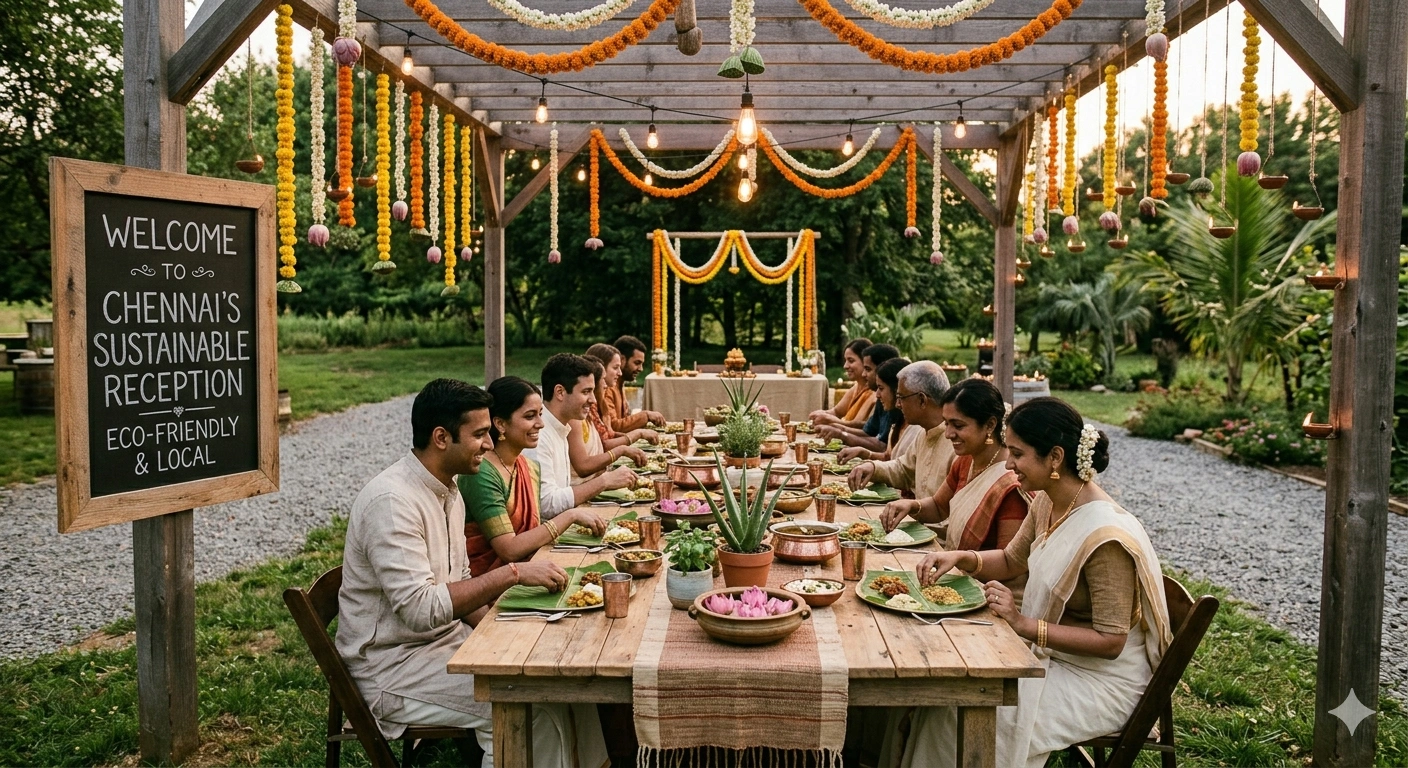
Among the many trends influencing the world of celebration today is the rising interest in the concept of value-driven expenditure. The current generation favors experiences that generate emotions over extravagance that serves to demonstrate wealth. In turn, this change is leading to the creation of unique value-driven luxury celebrations with an added element of meaningfulness.
Today's host focuses on personalized experiences, comfort for their guests, storytelling, and creating an emotion that would stay in memory forever. As a result, luxurious celebrations with purpose are becoming a hallmark of contemporary events. Today's audience expects mindful luxury experiences with emotional significance, sophistication, sustainability, and meaning.
This evolving emotional value economy also helps explain why Gen Z prefers conscious celebrations over traditionally extravagant formats. For example, Generation Z would prefer to participate in celebrations that bring out the true values and emotions rather than indulge in showy, luxurious extravagances. The latter, however, may serve more as a demonstration of one's social status than a celebration of something important. In 2026, emotional luxury would be one of the hallmarks of modern celebration culture.
It is fair to admit that technology will likely become one of the leading factors that influence the development of the future of modern celebrations. Yet, the main difference of innovations in recent years in comparison with those of past years lies in the fact that previously, technology aimed at increasing operational efficiency, while in 2026 the primary focus is placed on creating emotionally personal celebrations, intuitive hospitality, and smooth customer experiences.
Today, modern event technology is not just about automation anymore, as it has become the instrument for creating more meaningful and emotionally attached celebrations. Hyper-personalized celebrations allow event planners to tailor the event experience based on guests' preferences, emotionalHyper-personalized celebrations expectations, and behavior patterns. It is worth mentioning that thanks to the latest technology advancements in logistics, predictive hospitality systems, and intelligent guest management tools, events are now easier and more customized for guests than ever before.
On the other hand, there is a rising expectation among consumers that events should be customized according to one’s identity, personal relations, and lifestyle preferences, giving rise to personalized event planning. Such a trend pushes the organizers in the luxury event ecosystem to develop solutions and strategies that would incorporate customization in every single aspect of consumer experience.
With the shift toward experience-oriented celebrations, technology is used to help brands deliver emotionally immersive environments that also offer convenience and human connection. It can thus be concluded that modern technological innovations have become crucial in order to provide hospitality and emotional engagement.
Among the major personalization trends in 2026 that will become even more dominant is the need for high customization and emotionally intelligent guest experiences. In today's world, the standard format of events does not impress anyone; rather, attendees wish for events that would be designed with great care with regard to individual preferences, comfort, and emotional intelligence. It concerns everything from itinerary design to personal greeting, customized gifts, and adaptable hospitality services.
Thus, this trend is already having a considerable impact on guest-centric wedding planning, which is planned carefully by considering the needs of event-goers at every step of their attendance. Personalized menu designs, custom seating arrangements, and emotionally intelligent approaches in hospitality become increasingly important differentiators at upscale weddings. Planners start focusing on not only aesthetics but also the way the guests feel during the event.
Simultaneously, this tendency is contributing to the development of immersive hospitality design, in which event spaces are designed concerning emotional processes, guest interactions, and experience. Thus, personalization becomes the cornerstone of the concept of luxury in 2026.
In addition to personalization, another trend in celebration experiences relates to comfort and accessibility. As early as 2026, seamless and stress-free event flow will be a hallmark of future celebrations, especially appealing to younger generations who place high value on both comfort and emotional aspects of celebration events.
In recent years, digital solutions have greatly helped achieve frictionless hospitality. Technologies such as RSVP systems and communication tools, QR codes for guest management, and contactless check-in procedures have been introduced to optimize event flow without causing any discomfort to guests. Such technologies prove to be especially effective in hospitality-driven events, where flawless coordination is critical to creating an atmosphere of comfort and calmness.
Moreover, the growing popularity of wellness in the industry has also made a significant contribution to changing trends in the way events are run. Lounge areas, water stations, slower-paced activities, and a more flexible schedule of events have become staples of wellness celebrations. Overall, in today's reality, technology can prove to be the most helpful when it facilitates human connections rather than replaces them.
Among the most important changes that are forming the future of celebrations, one can highlight the focus on emotional well-being, inclusiveness, and humanity. As young audiences become more engaged in 2026, emotional safety, welcome atmosphere, and comfort become crucial elements of the event design process. Celebrations are shifting away from being considered social events that emphasize the social status of participants and are turning into meaningful places that provide opportunities for emotional and meaningful interaction.
Today's celebrations are community-centric events. People tend to engage in events where they do not need to be on their guard or perform because the event itself does not create such pressure. Inclusion and comfort have now become a priority for planners of celebratory events because it is crucial to make younger audiences, especially those belonging to the Gen Z or Millennial generations, feel comfortable and welcome.
Thus, planners are beginning to reconsider the architecture of celebrations themselves as well as their emotional impact on guests. With such things as hospitable hospitality, seating arrangements conducive to meeting other people, healthy event venues, and interactive elements engaging the guest in the celebration itself, current celebrations are focusing on the individual like never before. And this focus on emotion is spilling into slower-paced, more meaningful celebrations meant to foster conversations and engagement.
Wellness is increasingly becoming an important part of contemporary celebration culture, specifically with regards to high-end and immersive events. For instance, in 2026, luxury celebrations will be more about creating an event experience that is not only entertaining but also balanced, comfortable, and healthy. Therefore, elements of wellness will start appearing in such celebrations, including relaxation areas, places for meditation and reflection, sensory-friendly environments, and wellness gift ideas.
In addition, sustainable hospitality experiences are another important change in the celebration culture as guests seek experiences at multi-day events and destination celebrations that will not overwhelm but provide opportunities for deep and meaningful engagement. This includes the introduction of wellness-oriented hospitality services, slow pacing, thoughtful event scheduling, and a focus on guest pacing.
These changes demonstrate the shifting attitudes towards luxury, especially among the young generation. Modern guests do not perceive luxury as something extravagant, intense, or excessive. Instead, they want an experience that provides comfort and promotes their personal well-being.
Inclusiveness will become one of the major factors dictating the future of modern celebrations in the coming years. By 2026, audiences will start demanding that modern celebrations consider their diversity, inclusiveness, disabilities, food options, cultural awareness and other aspects of their needs in a meaningful way. As such, inclusivity can help the event-planning industry embrace an empathetic approach towards event planning.
With the growing importance of human-centric event planning, there is an increased need to consider how guests emotionally and physically interact with celebration venues. Accessibility, gender neutrality, inclusive hospitality, and culturally adaptive events are some of the trends emerging in premium celebrations and luxury weddings in modern times. Today's audiences appreciate celebrations where every participant feels welcome, considered emotionally and included in the event.
On the other hand, the emerging trend of incorporating cultural storytelling into weddings will allow couples to host celebrations that combine luxury with heritage. In this context, modern weddings can be defined by their ability to offer guests a cultural story and narrative rather than following pre-defined and conventional event arrangements.
In summary, there are several important shifts in the Indian celebration industry taking place today. The most significant of these is related to cultural changes in the audience's preferences and priorities associated with modern lifestyles. Younger Indian couples are gradually turning away from traditional weddings and choosing personalized events that incorporate elements of heritage and sustainability.
The development of modern Indian wedding trends in 2026 highlights an increasing interest among customers in immersive experiences rather than expensive production and show business. The modern client values hospitality and engagement, as well as cultural immersion and event storytelling that can be relevant in today's world and convey a special emotional message.
This shift is also speeding up the demand for experiential wedding planning trends in India, where every aspect of the celebration contributes to a cohesive emotional narrative. Moreover, these trends are contributing to the rapid expansion of the Indian wedding planning industry, which offers its clients personalized experiences in the form of regionally themed decoration, immersive guest journeys, ritual ceremonies, and wellness-oriented hospitality services.
Modern weddings have begun to take on more complex forms by turning into multi-day events based on the concept of storytelling, hospitality, and emotional involvement. The modern generation of couples tends to opt for luxurious destination weddings that transcend the boundaries of the classic format of celebrating a wedding day. These ceremonies combine the principles of hospitality, regional culture, culinary traditions, entertainment activities, and individual rituals.
In the coming years, sustainable destination wedding ideas will become not only spectacular events but also a source of emotions and inspiration for the couple and the audience. In addition to the aesthetic component, brides and grooms pay attention to the conscious production of a festive event, which can be combined with high-end luxury.
Along with this trend, destination weddings will also be characterized by more emotionally charged event experiences in luxury weddings. Guests today are interested in participating in interactive cultural programs, receiving unique hospitality, and taking an active part in the celebration process.
The audiences in India have become highly intentional regarding their approach to the process of planning celebrations, giving preference to emotional significance and memorable moments over spending lavishly. As of 2026, the elements of transparency, personalization, and conscious hospitality play a prominent part in influencing the choices related to the organization of modern events in the luxury weddings and social celebrations industry.
It is easy to see how the cultural transformation reflects the change brought about by Millennials in the event industry in India. Modern clients no longer pay attention only to extravagant shows but rather invest in immersive experiences for their guests, deliberate stories behind events, and personalized hospitality that makes each moment significant and meaningful.
As follows from that, there is a rising need for the best luxury event planners in India who specialize in hospitality, personalization, and consciously organized events. The new trends mean that clients require experts who will find the right balance between sophisticated luxury and emotionally significant celebrations.
With the changes in audience expectations, today's event planners are increasingly required to organize sophisticated but authentic and carefully designed celebrations. This is what the concept of Oh Yes Events strives to deliver in the fast-growing realm of immersive and meaning-driven celebrations. Being an experiential event planner in Chennai and a wedding event management company in Chennai, their values correspond with the increasing desire for the experience of luxurious events, deliberate event production, and hospitality events with emotional value.
Focusing not only on visual spectacularity but also on immersive narrative, personalized experiences, and emotionally engaging guest journeys, Oh Yes Events follows a philosophy typical for the industry of immersion into the event production, curating the experiences of guests, and organizing celebrations based on emotions.
Whether it is a destination wedding or any other type of premium social or corporate event, the emphasis is placed on creating experiences that are culturally smart, emotionally immersive, and highly personalized. Moreover, this trend of organizing events also relates to the changing paradigm in the event industry that focuses on ethical event planning and sustainability practices.
With celebrations becoming more experience-oriented and emotional, brands that manage to blend luxury, personalization, and human interaction will keep shaping the future of modern-day celebrations.
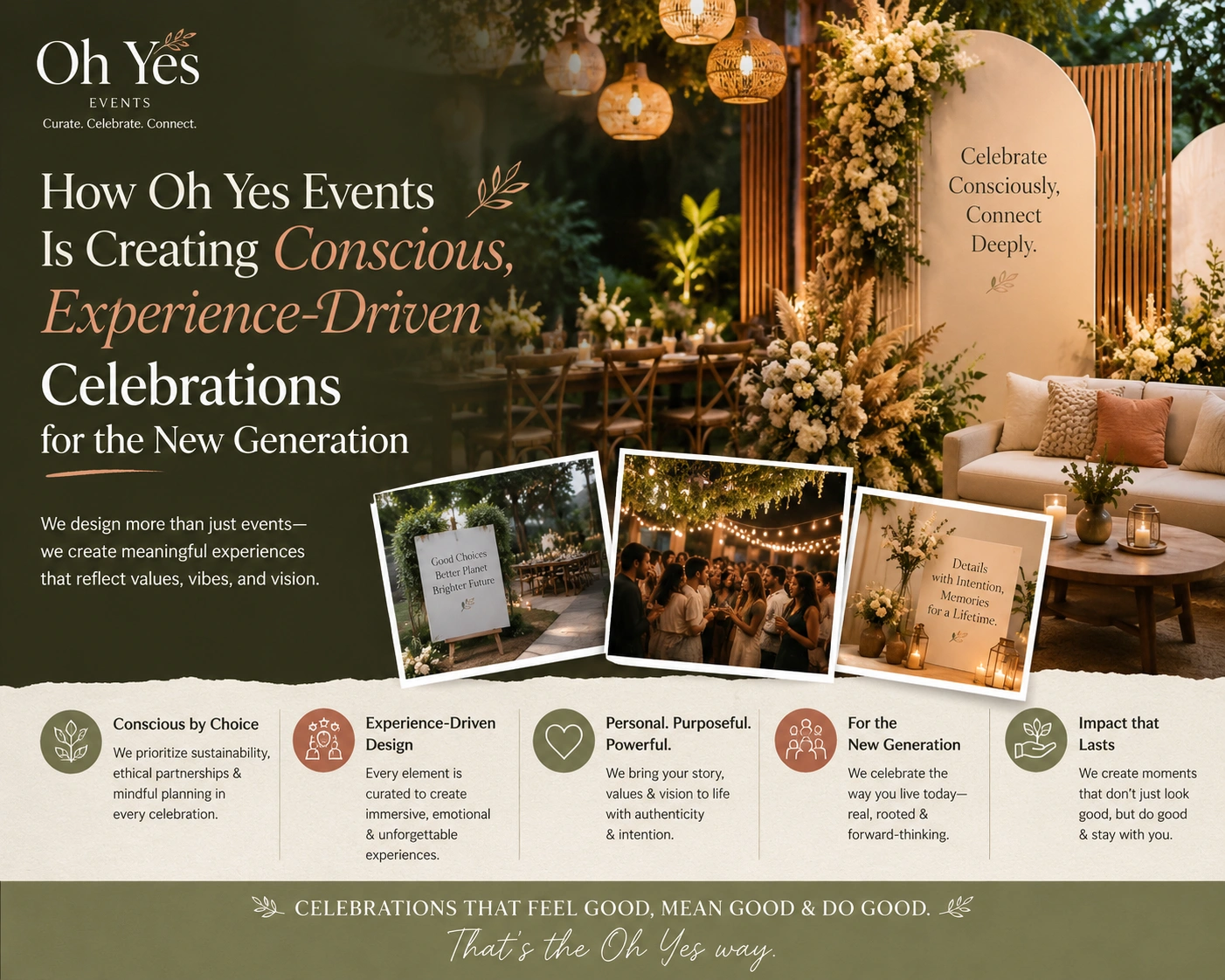
The current state of the worldwide event industry represents a major cultural revolution. What used to be all about visuals is now shifting into something deeper and more meaningful that involves emotions, sustainability, intentions, and connections between people.
Conscious luxury weddings, eco-conscious wedding planning tips, and innovative event experiences prove the new understanding of luxury that is gaining traction, especially among younger generations such as Gen Z and Millennials, who don't care so much about the show anymore. Instead, they prioritize authenticity, immersion, emotions, and social responsibility in their luxury experiences.
This can be observed on many levels, ranging from sustainable event production techniques, personalization, and guest experience to hospitality, wellness, and storytelling. Future events will likely become more immersive, authentic, emotionally rich, and centered around community, making us rethink what we've seen so far.
It looks like the upcoming years will belong to those companies that will be able to combine sophistication with intentions. Some event management businesses like Oh Yes Events are already actively contributing to this transformation and are bringing their own unique touch to every celebration they create. Thus, future successful events don't have to be spectacular or grandiose but rather emotional and heartfelt.