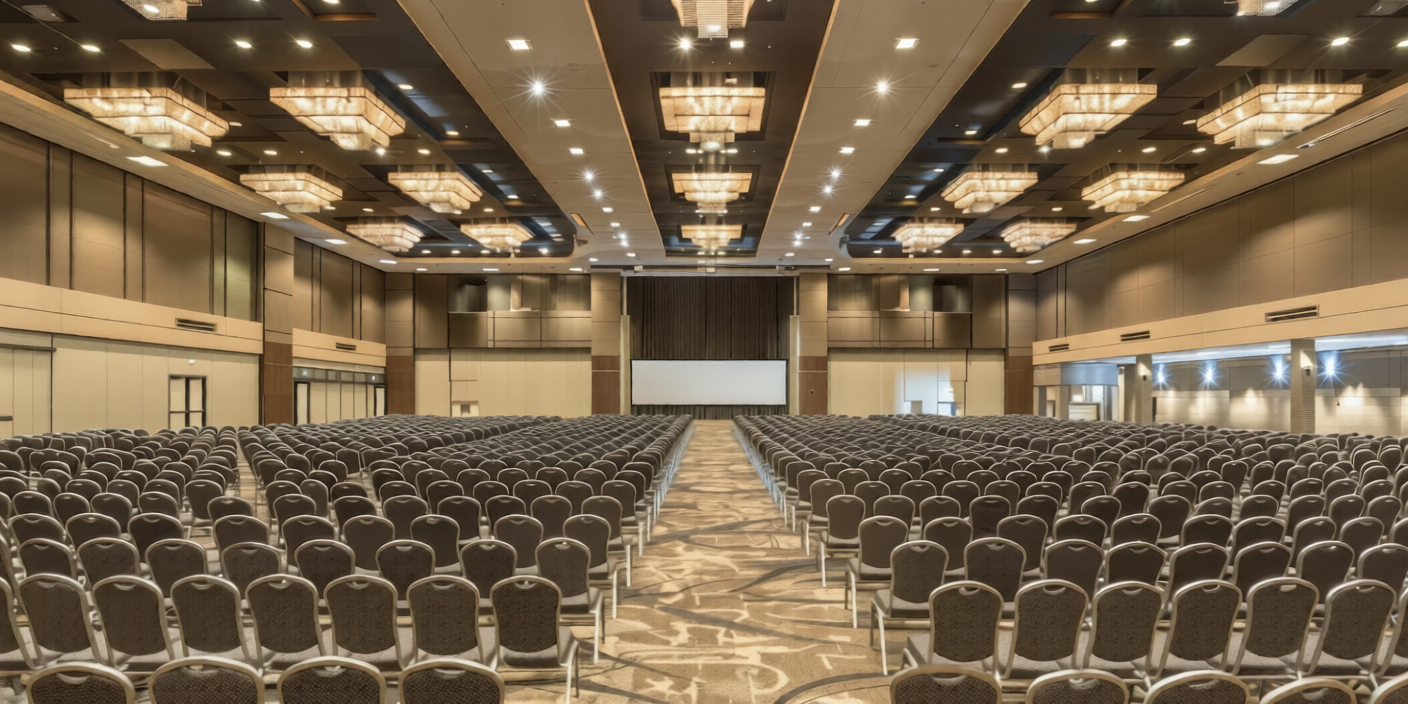
In 2026, the role of an event planner, be it as a corporate event planner or a wedding planner, has evolved significantly. The audience at events is no longer there to witness the event; they are there to experience it. Whether it is a wedding or a corporate event in India, the most successful events are those that are designed as emotional experiences.
This has led to a paradigm shift in event planning services, and event management companies have had to think like architects of experience and not just coordinators of events. At the center of this revolution is one key idea: event storytelling. When space, movement, design, technology, and emotion come together to tell one story, events become immersive experiences and not just temporary spaces.
It is this ideology, which has been adopted by progressive planners such as Oh Yes Events, that is revolutionizing event design in 2026.
Nowadays, event architecture is no longer a question of how a venue looks; it’s about how it feels to move through. In 2026, event experience design is driven by intention. Yes, intention is everything — every spatial decision supports a bigger emotional and narrative goal.
Be it a destination wedding, product launch, or leadership summit, narrative event architecture treats the venue as a living storyline. Entrances establish a mood, transitions create an atmosphere of anticipation, and focal moments provide emotional payoff. This approach is now informing everything from party-planner strategies to high-end event planning concepts.
Today, planners are more dependent than ever on guest journey mapping, a technique that sketches out how attendees travel, engage, and exit. When this journey is expertly sequenced, the impact is that it makes the ride smoother, engages riders better, and creates a deeper memory imbued with emotions. Events that fail to consider narrative pacing often feel disjointed, no matter how lavish the decor.
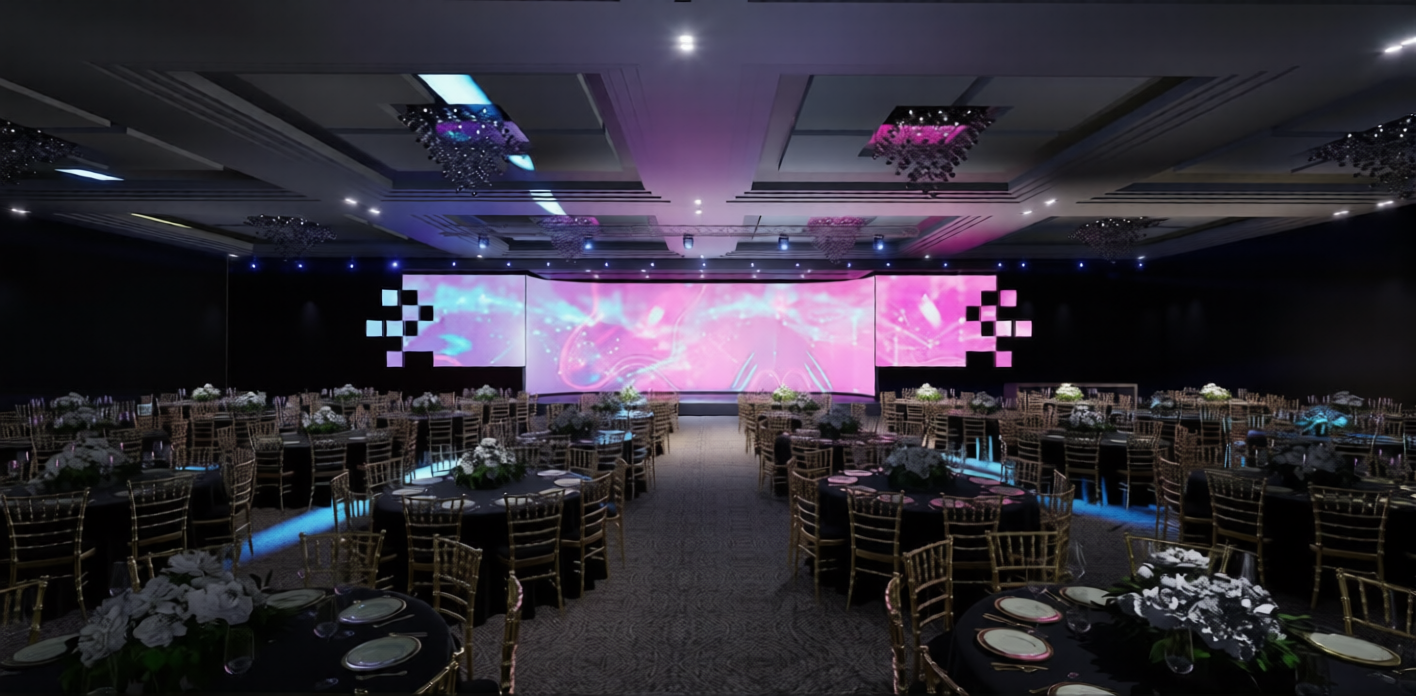

There is a reason why storytelling works: because human brains are wired to learn best from stories, more than instructions or visuals alone. In 2026, good storytelling in events is still the best method of creating emotional connection, memory, and involvement.
Instead of discrete design moments, planners focus exclusively on emotional connection experiences that develop over time. This is particularly true when it comes to live experiential event design in which the audience isn't just a witness but cast in a role within a story.
Before we dive into tactics, it’s helpful to understand what storytelling is really doing within events.
On a fundamental level, narrative pacing in events reflects the structure of a story: introduction, escalation, climax, and conclusion. This natural rhythm is what attendees unconsciously react to. A good beginning provides context, the meat of the story engages, and the grand finale is an emotional takeaway.
This is now a crucial element of attendee engagement strategies, particularly for event planners wondering how to deliver memorable experiences that go beyond mere spectacle.
In addition to its aesthetic appeal, the benefits of narrative event architecture are very much psychological in nature. Stories are what help people assign meaning to things, which is why narrative-driven environments are more effective than static environments in terms of recall and engagement.
Storytelling events are naturally more engaging, encouraging curiosity and exploration. This is why brands that invest in story-driven corporate event design tips are more likely to retain messages and align with their audiences.
To better understand this, let’s examine the two most effective outcomes.
When guests are treated to a story as opposed to a mere series of activities, the memory of the event is much more likely to be embedded. This is why storytelling is so much more effective than other formats when it comes to impact and memory retention. By incorporating emotion as opposed to mere movement, event planners are able to create an experience that will be remembered long after the event has ended, making storytelling one of the most effective event storytelling techniques for engagement in contemporary event design
Story-driven environments are inherently participatory as opposed to observational. When guests are encouraged to make choices, engage with immersive environments, or follow personalized invitations, they become a part of the story itself. This move from observation to participation is what leads to a deeper level of engagement and a sense of ownership over the experience. It is this immersive participation that leads to successful custom narrative event planning services, where guests become active participants in the event experience.
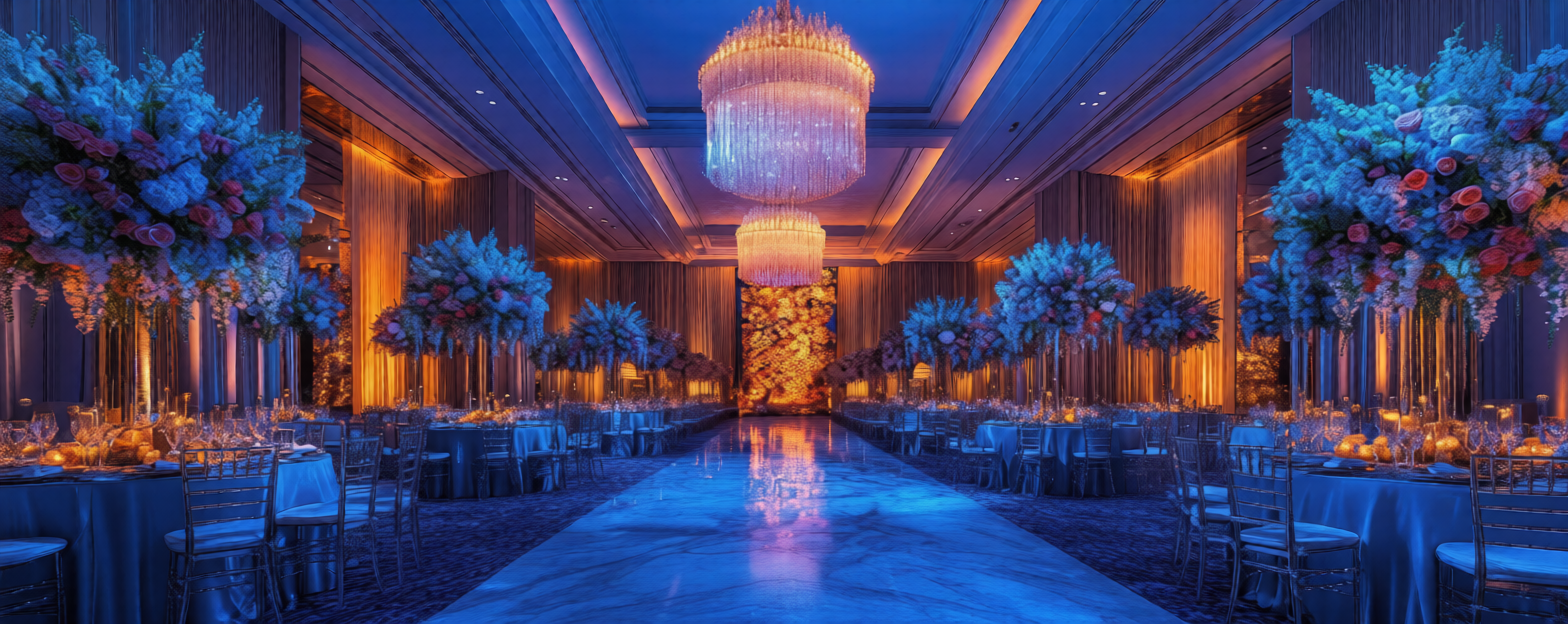
Technology has become a narrative amplifier and not a distraction. In 2026, immersive event experiences technology, AR VR, has become mainstream, and it is no longer a new thing but a tool for immersive storytelling.
From brand activation to weddings, immersive event experiences, and AR/VR event tech are being used by planners to blur the lines between physical and digital storytelling. Immersive event experiences technology AR/VR supports immersive event experiences by adding context, history, and emotion to physical spaces.
To understand the use of immersive event experiences technology, AR/VR, we must examine two significant tech developments.
Augmented and virtual reality are changing the face of storytelling in real-world spaces. By adding digital stories to real-world spaces, event planners can transport guests to other worlds without removing them from the space itself. This is the key to immersive event experiences using AR VR technology, where the story is integrated with architectural flow rather than replacing it. From visual overlays to spatial storytelling, AR/VR event technology allows for greater immersion in the event experience while still maintaining a strong sense of place and continuity.
Artificial intelligence has come to the forefront as a technology for creating highly adaptive experiences. Using real-time data and behavioral insights, event storytelling with AI personalisation enables spaces to react dynamically to the movement, choices, and levels of engagement of every guest. From smart lighting changes to personalized moments of content, AI technology improves how to use storytelling in event design. The result is a more personal, responsive story that makes every single guest feel seen, heard, and valued as part of the event experience.
The days of relying solely on visual effects are over. In 2026, sensory event design is an essential element of storytelling, incorporating sound, touch, smell, and taste, in addition to visual effects.
Multi-sensory environments have been shown to heighten emotional engagement and memory, making multi-sensory event planning and design a fundamental approach for high-end event planners.
Before delving into examples, it is necessary to grasp the role of the senses in facilitating narrative cohesion.
In the modern event setting, storytelling is enhanced by the simultaneous engagement of multiple senses. Textures, soundscapes, temperature changes, and fragrance layering all contribute to the emotional perception of the event. These multi-sensory event design ideas are useful in enhancing the transitions and emotional pacing of storytelling in an event setting. When done correctly, multi-sensory event design can turn event spaces into chapters of an event story, allowing guests to experience the event story intuitively through their senses rather than just watching it happen.
Food has become one of the most engaging storytelling mechanisms in modern event design. Storytelling menus, regional flavors, and theme-based plating allow the sense of taste to follow the emotional arc of an event. When done in conjunction with the overall theme of an event, food becomes a storytelling medium that can be used to enhance immersion and continuity. These approaches offer practical event storytelling tips for planners seeking to build cohesive, memorable sensory journeys where each course contributes meaningfully to the overall experience.
While the use of storytelling varies depending on the type of event, its power remains the same. In weddings, storytelling is all about the personal element, which revolves around emotions, connections, and experiences. In a business setting, storytelling is more of a strategic approach that can help businesses define their purpose, culture, and future vision. This knowledge will help event planners create experiences without losing the essence of storytelling.
For someone who is a wedding planner in 2026 and working extensively around wedding planning trends 2026, storytelling can help couples define their identity beyond the aesthetic elements of the wedding. This is particularly important for a destination wedding planner in India, where the location and culture become an essential part of the storytelling process rather than just being the background.
Whereas corporate events are based on narrative structures to convey growth, transformation, and value. Whether it is a leadership summit or a product launch, the use of storytelling enables alignment of messaging with experience. Brands are now looking for narrative structures that can help attendees embark on purpose-driven journeys instead of mere presentations.
Whether it is a celebration or an experiential event, storytelling brings about consistency, unity, and emotional connection. Narrative clarity answers the growing demand for how to plan immersive experiential events. With a focus on story-driven design, event planners can design events that go beyond formats and remain in the memory long after the final moment of the event is over.
With the ever-changing nature of audience expectations, traditional event designs that rely solely on time, space, and superficial design elements are quickly becoming less effective. In 2026, attendees demand experiences that feel purposeful, meaningful, and relevant to their individual needs. This is exactly why story-driven events continue to trump traditional event designs in weddings, corporate events, and experiential events.
Story-driven event design offers clarity; every design element has a purpose, and every interaction has a reason for being. Rather than a series of disconnected moments, attendees are treated to a journey that is fueled by event storytelling, event experience design, and attendee engagement strategies.
Whether it is luxury weddings or high-profile corporate events, the use of storytelling enables event planners, wedding planners, and corporate event planners to go beyond mere decoration and meaning-making. It enables them to design immersive environments that can guide emotions, reinforce messages, and flow effortlessly from one format to another. As the demand for immersive event experiences and experiential event design continues to rise, the need for narrative clarity becomes the key that separates events that are admired from those that are remembered.
In today’s highly competitive market, story-driven architecture is no longer a choice but the building block of future-ready event planning.
The heart of this revolution in narrative-driven experiences is a philosophy that sees storytelling as the starting point, not the finishing point. This philosophy encapsulates how Oh Yes Events goes about creating environments that have a sense of cohesion, emotion, and purpose. Instead of starting with visual cues, the team at Oh Yes Events embarks on a journey of story discovery, taking the time to understand people, purpose, and emotion before applying these learnings to the creation of well-designed environments. This philosophy enables event experience design to integrate perfectly with guest psychology, ensuring that every experience contributes to a larger story of purpose.
Rather than beginning with visual references, the team starts with story discovery, taking time to understand people, purpose, and emotion before translating these insights into thoughtfully designed environments. This approach allows event experience design to align seamlessly with guest psychology, ensuring that every moment serves a larger narrative intent.
As the best wedding planner in Chennai and a top corporate event organizer in Chennai, by applying detailed guest journey mapping, Oh Yes Events designs experiences that unfold with natural rhythm and emotional clarity. Spatial pacing, sensory layering, and intentional transitions guide guests through each phase of the event, creating a sense of flow rather than fragmentation. This commitment to coherence is what defines their refined experiential event design, where emotion and movement are carefully balanced.
In 2026, when audiences seek meaning over spectacle, this philosophy becomes essential. Story-driven architecture enables Oh Yes Events to create celebrations that resonate deeply, particularly within competitive spaces like luxury weddings and corporate experiences, transforming events into memorable journeys rather than fleeting moments.
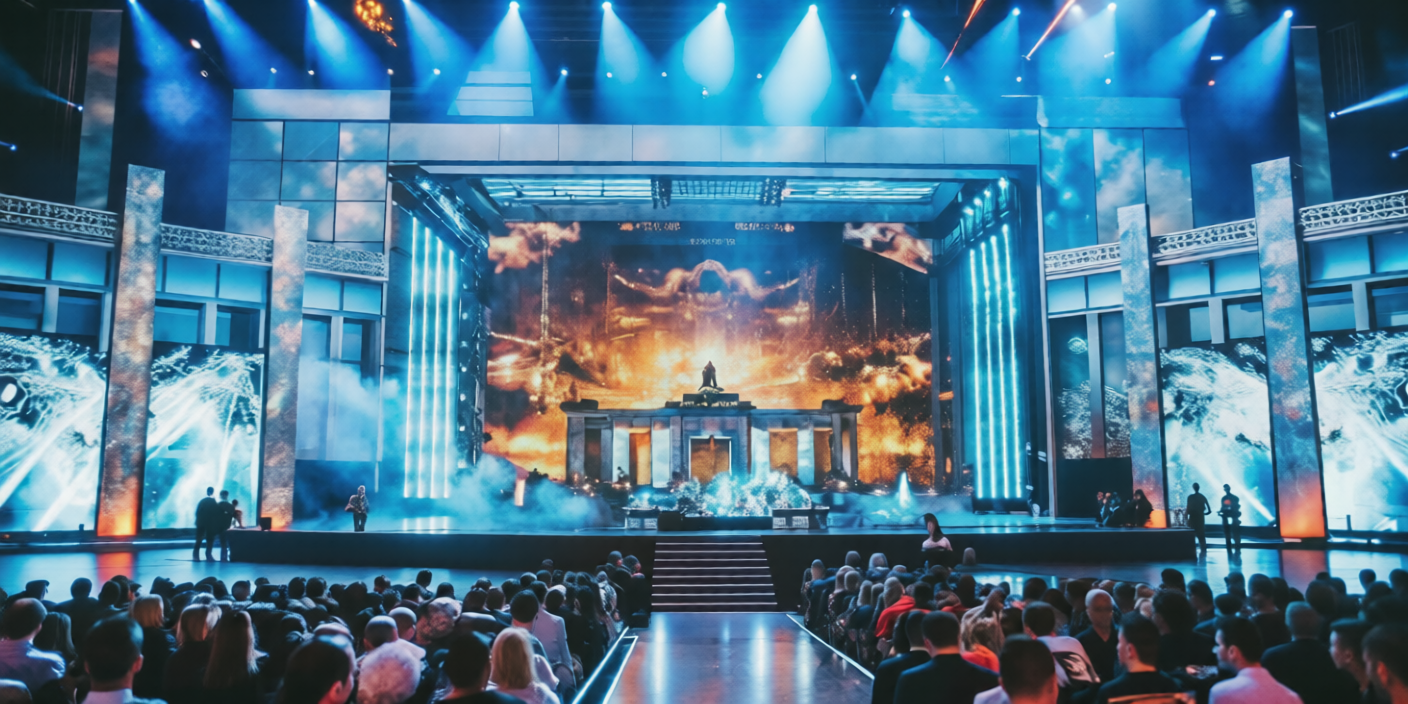
In 2026, successful events are not the largest or the loudest, they are the most meaningful. Storytelling in events, through the use of technology, sensory experiences, and strategic pacing, is the driving force behind successful celebrations. Whether it is a wedding, a business meeting, or a brand experience, storytelling turns space into memory. Those who practice narrative event architecture will continue to move the industry forward, creating events that do not just occur but remain. It is this passion for intentional, storytelling-driven design that quietly fuels the work of Oh Yes Events, creating experiences that are as unforgettable as the stories they tell.