
In the last decade, the global events industry has undergone a significant transformation. A place once predominantly governed by creativity and experiential design is now a more formal, structured system shaped by compliance, accountability, and sustainability. Global certifications in events are not just a nice-to-have anymore. In a post-pandemic world, they are an absolute necessity for credibility and trust.
Corporate and government partners are no longer choosing partners based on aesthetics or innovation today. Instead, they trust certified event management companies that follow global industry standards and best practices to deliver seamless execution, mitigate risk, and provide measurable impact. Decision-making is now based on frameworks such as ISO certification for events, as well as professional qualifications, including CMP (certified meeting professional) and CEM (certified exhibition manager).
As the event industry standards 2026 continue to evolve, certifications play a direct role in ESG compliance, stakeholder trust, and operational excellence. For forward-thinking agencies like Oh Yes Events, embedding these certifications into execution is not simply about compliance; it’s about leadership in an ever-competitive and global landscape.
The events industry today has evolved into a structured and process-oriented ecosystem, and we all know how. As cross-border event execution has increased, as governments have engaged more and corporate governance has tightened, the need for global event compliance frameworks that can operate seamlessly across jurisdictions has exploded. Today, events are not one-off experiences; they’re complicated operations that require precision, accountability, and scalability
Corporate organizations are under strict corporate event compliance standards, while the government demands adherence to government event management standards. As a result, event management certifications have become common across geographies to maintain uniformity, safety, and quality. Moreover, the evolution in event lifecycle management practices has also balanced the requirement to have a standard process.
To understand this shift, it is crucial to consider the forces that have driven demand for standardized event practices. Forces such as these extend beyond mere operational efficiency and impact worldwide expectations, compliance mandates, and a new definition of trust in the events industry.


Today, international conferences, expos, and summits are running on a global scale, making consistency an expectation, or I would say, non-negotiable, rather than an option. Clients are increasingly seeking smooth experiences across regions, cultures, and regulatory environments, making global standards for international event management essential for success. Whether an event is hosted in Asia, Europe, or the Middle East, the expectation of uniformity of quality, execution, and professionalism remains the same. This is especially important for a global event management company running events across multiple geographies, vendors, and compliance needs at any given time. Standardized frameworks provide not only consistent delivery but can also facilitate communication, logistics, and delivery. Scaling up with scalable excellence, you can achieve it by following the shown processes, such as these: In a globalized ecosystem, process managers must adhere to defined standards that give event organizers the power of potential scalability, but only if all dimensions of the experience are taken into consideration.
With the increasing scale and complexity of events, risk management and compliance have become more important than ever. With increasing focus on data protection, crowd control, and compliance in 2026, organisers cannot afford to overlook the necessity for event risk management certification. Such certifications assist organizers in proactively preparing for and mitigating, if not eliminating, issues that might arise and training their response to the unexpected. Event audit and accountability systems are built around the concept of documenting and tracing each function within an event and making it industry-compliant as per regulation. As a result, this level of transparency is vital for corporations and governments where accountability is closely observed. Thus, certifications are a framework that minimizes operational risk and bolsters trust, credibility, and dependability in high-stakes event milieus.
While creativity remains a key ingredient of successful events, it is no longer the only differentiator in a crowded market. Event certifications hold significance today because they lend credibility to your expertise; creativity can only thrive when there is structure around planning, formats, and proven processes. As a result, clients are demanding more creative and innovative experiences from partners but want that to be delivered with global standards in mind as well as compliance frameworks. This also brought to light how important certifications are for better trust among stakeholders in events that reflect professionalism, accountability, and reliability. Creativity might be exciting, but credibility will keep your relationship. Companies that merge the two are well-positioned to secure high-value projects and retain enduring partnerships with the increasingly expected global clientele.
International event certifications are established references that confirm quality, sustainability, and professionalism in the planning and execution of events. These certifications are fundamental for any modern event ecosystem as they cover operational processes, environmental responsibility, and individual expertise. From professional event planner certification to sustainability-based frameworks, certificates shape how & when events are designed, implemented, and assessed. But they are also vital in keeping up with event industry standards in 2026 and delivering measurable outcomes for ESG, risk management, etc. Depending on the type and scale of the event, various certifications serve different purposes. Some are system and process-focused, while others validate individual competencies or sustainability practices.
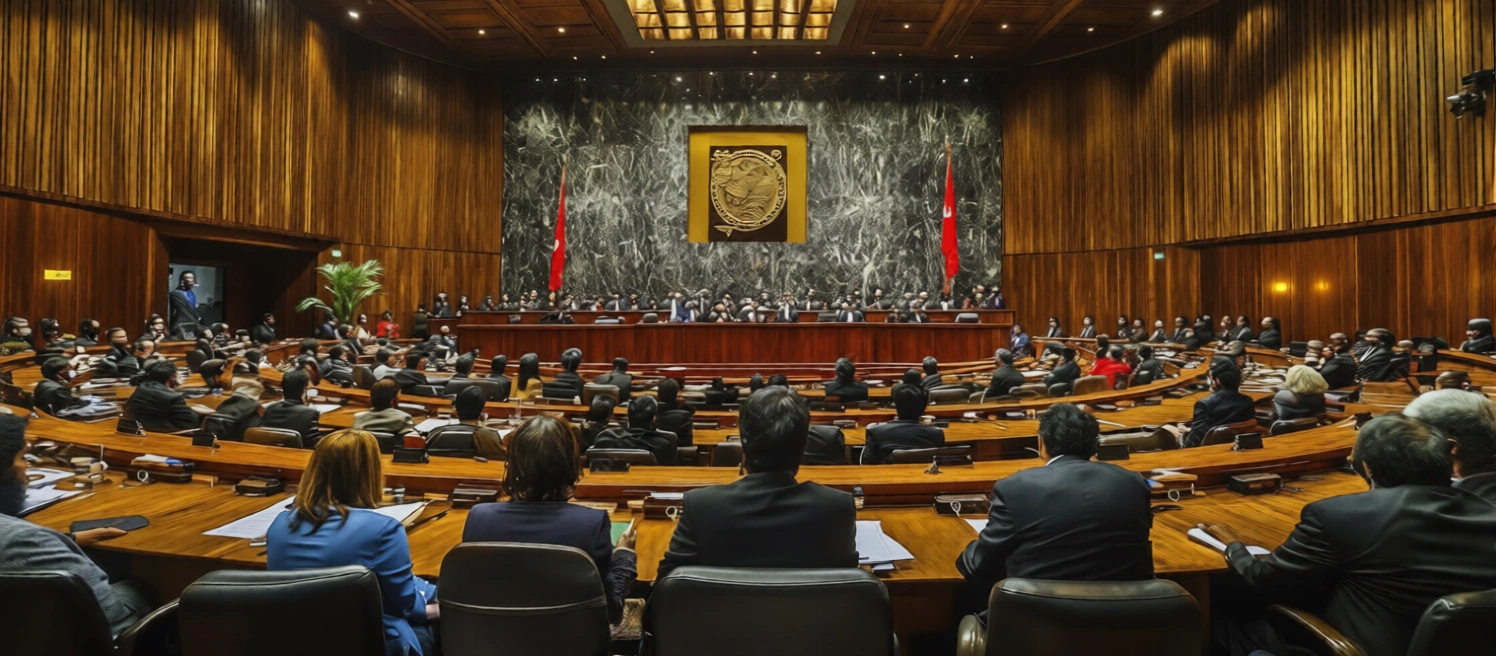
With this foundation of impact versus execution taking root, frameworks such as the ISO 20121 event management standard have emerged at the core of what an event's sustainability standard should look like moving forward. These standards give a structured canvas for managing the entire event life cycle, starting from planning through execution, right through to post-event evaluation. They allow companies to reduce waste, optimize resources, and produce measurable results by combining environmental, social, and economic factors. For any ISO aligned event planning agency, these types of frameworks are worth taking into consideration as they guarantee consistency, compliance, and global credibility. Apart from sustainability, such standards also enhance efficiency in operations and stakeholder trust. ISO frameworks serve as a compass for creating responsible, scalable, and future-ready events in an industry that is essentially dependent on trust based on accountability and transparency.
Certifications like Certified Meeting Professional (CMP), Certified Exhibition Manager (CEM), and Digital Event Strategist Certification (DES) offer individual enhancement of expertise between events. Image result for these degrees prepare professionals with knowledge, thinking, and skills aligned to global best practices. As the industry matures, such credentials only serve to enhance the value of event management certifications and ensure that teams exhibit creativity while remaining technically sound and process-driven. Thus, they also signal a commitment to continuous learning and professional development, which corporations and governments are increasingly valuing. In this competitive environment, certified people provide quality assurance for the events they run with credibility, consistency, and sound execution.
With the growing emphasis on ESG in event management, sustainability certifications have become essential to ensure that events are aligned with larger environmental or social objectives. They offer measurable baselines for minimizing your event's contribution to climate change and engaging in sustainable practices necessary for sustainable event planning certifications. They are key to facilitating carbon-neutral events that align with global expectations for sustainability, from waste minimization to energy efficiency. With corporates and governments now requiring ESG compliance, these certifications are key for our event partners. Apart from reflecting a growing commitment towards sustainability, the scopes also allow businesses to improve upon reporting transparency. As we navigate the complex and ever-evolving landscapes of authentic events for the future, today, these standards are no longer an option; ESG-driven certifications are a strategic imperative that supports impactful, responsible, and future-ready event experiences.
Corporations operate today in a world of highly stringent corporate event compliance where ROI, brand reputation, and accountability are interdependent across the board. The right partner is no longer shortlisted by creativity—it is evaluated by proven capability, structured execution, and measurable outcome. This is where event management certifications play an extremely important role, providing a validation of skill and compliance with the world standard. Certifications are a direct consideration for businesses in gauging whether an agency aligns with ESG compliance, both within corporate events and organizations as a whole. By partnering with certified event management companies, corporates can reduce risk and ensure repeatability while safely deploying high-impact events that achieve strategic as well as compliance-driven goals.
The expertise of a certified event management company in India assists in improving and safeguarding a corporation’s brand positioning by minimizing reputational risks through providing a quality experience consistently. In the overall big picture, certifications not only reflect structured processes and professionalism but also global standards, which are very important for high-visibility events. It builds immediate confidence and trust when stakeholders observe that an organization partners with certified partners. Such credibility is important, not just for the event itself but because it carries over to investor perception, client relationships, and brand value overall. Certifications help filter out the credible agencies from the mediocre ones in the competitive market because they allow you to execute what is promised. In the end, that is exactly why corporations around the globe choose to work with certified partners, as it delivers proactive event experiences while securing the corporations' reputations.
Corporations today are focusing increasingly on ESG compliance in corporate events, as a top priority for event partners is to be environmentally friendly. Sustainable event planning frameworks 2026 use certifications as a vital component for organizations to embrace. Whether reducing carbon footprints or implementing waste management systems, certified frameworks provide measurable, reportable outcomes. Doing so meets corporates where they are in the ESG journey, empowers them to meet regulatory and internal ESG mandates, and builds brand perception among your stakeholders who care about sustainability. Partnering with certified agencies helps businesses create events aligned with these long-term objectives, maintaining the highest levels of transparency, accountability, and globally recognized sustainability credentials.
Requisite frameworks help assuage risks and enable smooth execution, which is imperative in the balanced concoction of the cause-and-effect equation that is today’s event criterion. Certifications buttress strong event risk mitigation strategies that help the organizer foresee potential challenges and address them in advance. Such frames also improve vendor management in events, having suppliers, partners, and stakeholders work within settled processes and quality standards. Thus, enabling more seamless collaboration, leading to fewer delays, miscommunications, and operational gaps. At all stages of execution, certified processes provide stability and control that enable enhanced overall efficiency and performance. For corporates, this means dependable results, fewer interruptions, and events that are executed to perfection with meticulousness and professionalism.
Government and public sector events are handled according to rigorous government event management standards, where transparency, accountability, and compliance are non-negotiable at any given point in time. These events are closely examined, necessitating structured systems and documented processes, from global coteries down to grassroots national movements. This is where event management certifications are crucial; they ensure consistency, governance, and in many cases compliance with regulatory frameworks. Partnering with a government event management agency in India that adheres to certified practices ensures that authorities can retain public trust while executing efficient and well-managed events. Certifications have transitioned from being optional to being critical resources for ensuring compliance with regulations, mitigating risks, and executing events in alignment with public policy goals.
In government and public sector events, transparency is crucial in sustaining public confidence and abiding by regulatory standards. Credible certifications ensure event audit and accountability, with every process, decision, and expenditure documented and traceable through structured systems, where mutable processes are exchanged for immutable records. Such a degree of supervision also guarantees that things don't fall apart and are happening within the guidelines provided by public sector rules and governance schemes. And it can help authorities show responsibility and integrity in how events are planned and carried out. Using certified processes helps governments to mitigate risks, avoid inconsistencies, and communicate effectively with all stakeholders. Certification is, therefore, a protective measure to guarantee transparency and the ability to carry out large public initiatives rapidly and in compliance with regulations.

The operation of public events at a large scale requires precision, coordination, and adherence to defined frameworks. In the case of events managed by a government event management agency in India, the various certifications ensure that implementation adheres to internationally accepted systems and processes. They are aligned with global event compliance frameworks that ensure consistency in planning, logistics, and delivery. Certifications help to standardize operations, allowing for better management of multiple stakeholders, vendors, and regulatory requirements simultaneously. They accompany this with necessary governance structures to observe performance as well as keep every stage of development accountable. In complex environments, certifications standardize processes to help eliminate doubts and create an environment of efficiency, allowing governments to put out impactful events that meet both national and international expectations.
Governments around the world are placing sustainability at the heart of their events for 2026, embedding ecological responsibility in how they govern and organize events. Certifications have emerged as critical mechanisms for substantiating these efforts. Whether it's waste management, energy efficiency, or another pillar of sustainability in your building, these certified frameworks set measurable benchmarks that support green practices. They also provide governments with a means to track progress and report outcomes transparently. Such certifications allow authorities to bring events more in line with long-term environmental goals while holding industry standards. This process not only secures policy implementation but also promotes the event industry to adapt to more responsible and effective sustainable approaches that can match future global needs.
Analytics of global certifications in events transcend theoretical understanding yet massively aid in technicalities through event life-cycle management. Certifications encourage structured processes from planning through delivery. They allow teams to utilize structured event planning processes, which leads to fewer errors and better coordination between stakeholders. At the operational level, they build trust through standardized workflows, improved communication, and adherence to global benchmarking. This means that events are delivered with more accuracy and reliability. Thus, certifications will one day revolutionize execution by standardizing both efficiency and reliability, essentials for a world-class, scalable, and professionally managed event experience.
Certifications provide high clarity and organization around the execution of your event by implementing defined systems and workflows. This comprehensive approach to structured planning for events ensures a systematic outlining of each phase, from ideation through the event execution and post-event assessment. Utilizing standardized processes allows event teams to avoid mistakes, limit duplicate work, and increase efficiency. So, the organized framework helps the stakeholders from different departments and vendors coordinate better, resulting in less chaos. It is simply a matter of doing that with every event you do, big or small, simple or complex. Finally, certifications aid in making planning an organized, process-driven function so event professionals can focus on the quality of experiences while ensuring operational excellence.
In the current competitive landscape, with one certification, you can always set yourself apart from the competition, especially when competing for international projects. Agencies are now required to comply with internationally accepted standards in many of the global tenders or RFPs received nowadays, thus turning these certifications into prerequisites rather than mere additional benefits. This provides certified agencies greater competitive advantage and broader opportunities. Certifications will help the firms as they try to establish themselves as a MICE event management company in India. They signal the capacity to marshal complex, cross-border incidents effectively and professionally. Certifying agencies benefit by opening their doors to larger markets, higher-value projects, and lasting global relationships when they meet international standards.
2026 Event Industry Trends: Certifying the Future of Events
Event industry trends in 2026 will focus on profound technological change, sustainability, and compliance; Certifications in the ticketing processes will become paramount as we transition to event industry trends 2030. The future of the event management industry is getting more organized, and even certifications outline how events are modeled, executed, and assessed all over the world. Their advocacy for digital transformation in events leads to a solution that ensures innovation is supported by standardized processes and measurable outcomes. Meanwhile, sustainability and compliance structures are beginning to be necessary for competitiveness. As adoption increases, certifications are no longer optional and have become essential tools to create scalable, future-proofed, and globally aligned carbon-neutral event experiences.
Technology is evolving rapidly, and it has changed the entire events ecosystem, with digital capabilities becoming a prerequisite. Due to the evolution of events, digital transformation has ushered in innovative tools and platforms that provide engagement, analysis, and scale for attendees. AI-driven event planning is fast becoming a part of the event framework, and this is only to streamline the processes from attendee personalization to predictive logistics. In parallel, some of the hybrid event technology trends are revolutionizing the way attendees engage with events by merging online and offline experiences. This trend has led to the demand for specialized credentials such as the digital event strategist certification (DES) that attests to expertise in the management of tech-enabled events. Certifications make sure that the professionals are accustomed to working in this digital-first world without losing their efficiency, creativity, and local or global standards.
Certifications have almost become an entry pass in modern procurement processes with corporates and governments. Event procurement standards today typically have mandatory certification criteria, so they need to be added in as an essential for Agencies when looking at big-value projects. This change demonstrates an increasing emphasis on accountability, compliance, and risk factors in vendor selection. Certified agencies are seen as more trustworthy since they prove compliance with established processes and international standards. Certifications also help decision-makers finalize their evaluation by providing them with indicators of capability and professionalism. Agencies without recognized credentials could therefore face difficulty competing. Fast forward to 2026, and there is no longer a competitive advantage in certifications only; they are now the baseline requirement for inclusion in large-scale, high-stakes event opportunities.
In a space where certifications create credibility, execution is what makes you successful. Oh Yes Events is leading the way by newly combining compliance with creativity. The agency follows the standards of an international event, which allows each project to be based on structured processes without losing room for innovation and exploration. Hence, they can meet the international requirement yet do not compromise on the originality and thus are often preferred by the clients as they get both reliable and creative content under one roof in this competitive world.
As both a corporate event management company in India and a government event management agency in India, Oh Yes Events knows how much responsibility is involved in high-stakes projects. And it always tailors its events in accordance with compliance expectations and global best practice. With this dual expertise, they can look after a variety of portfolios, i.e., everything from corporate conferences to public sector initiatives, with consistent transparency and efficiency at all levels of execution.
Oh Yes Events is on a continuous evolution with new and deepening industry demands and the continued development of digital event transformation, sustainability, and scalability. Best of all, their future-ready lens brings technology, data-driven tactics, and thoughtful sustainable frameworks to the table in a way that elevates experiences. It solidified their status as a leading event organizer in India, facilitating compliance and efficiency of the events while being trusted by a world clientele for innovative and technology-driven events.
A well-established source of trust, certifications have surfaced as the outcome of the events landscape in today’s world. They're more than compliance; they are also a signal of reliability, scalability, and global readiness. For corporations, certifications ensure there is accountability and synergy with business objectives. For governments, they ensure transparency and compliance with public standards. They combine to shape the evolution of event compliance and governance.
Even as the profession evolves, every organization will not only require but also become increasingly dependent on certifications. Oh Yes Events and other agencies that adopt these frameworks while providing memorable manpower will guide the next stage of what is to come in event management's secret ecosystem. Ecosystems that are certified in 2026 and beyond will do more than support events; they’ll redefine industry leaders.
Cultural intelligence is not merely a conceptual asset; it produces visible, quantified results. The influence of this is evident across key performance indicators, from growing participation to better audience retention. Note that this is the reason why cultural intelligence is important in global events within a competitive and globalized landscape.
Today, events are measured not only on execution but also on their ability to create results. Enhanced engagement translates to more exact partnerships, better brand recollection, and larger returns on investment. Consequently, events are no longer one-off experiences; they’re powerful devices that lead directly to business acceleration and thus long-term investments instead of just tactical plays.
As our world becomes more connected, yet more complex, cultural intelligence is increasingly important. Whether you consider inclusive event design or cross-cultural event management, being able to appreciate the unique needs of various segments and then adapt and respond accordingly has emerged as a hallmark of effective events. It is not enough anymore for event professionals to focus on execution; they are now about curating significant, people-first experiences that transcend cultural boundaries. The future of the global events industry will be led by those who have invested in understanding people, behaviors, and cultural nuances.
However, organizations that really want to leave a mark should partner with experts such as Oh Yes Events because they help in planning events more thoughtfully and strategically. Their combination of cultural insight and creativity means that every experience exceeds expectations. Since 2026, the most powerful won’t just bring an audience together; they’ll do so with a deeper connection that leaves an indelible mark based on relevance and understanding.